Click here to sign up for our free daily newsletter.
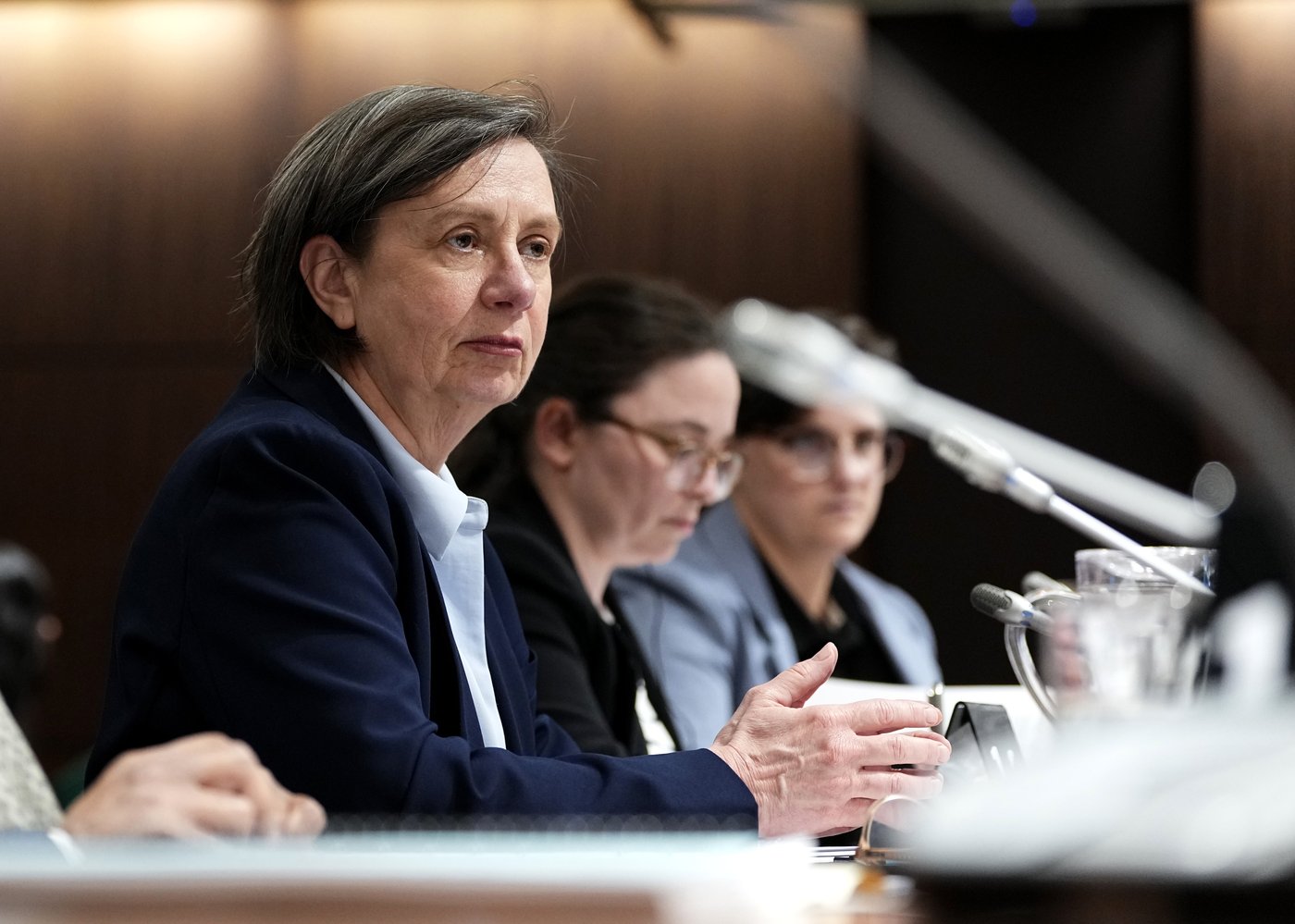
Parliamentary Budget Officer Annette Ryan prepares to appear at the Standing Committee on Government Operations and Estimates on Parliament Hill in Ottawa, on Tuesday, June 16, 2026. THE CANADIAN PRESS/Justin Tang

Inflation drove post-pandemic spike in Canada Child Benefit costs: PBO

Sep 17, 2026 | 8:10 AM

OTTAWA — Ottawa’s fiscal watchdog says a surge in inflation a few years back drove a substantial jump in the cost of delivering the Canada Child Benefit after the pandemic.

The new report from parliamentary budget officer Annette Ryan also suggests most of those benefiting from the increased payout were not among Canada’s lowest-income households.

The Office of the Parliamentary Budget Officer said in a report Thursday that the cost of delivering the federal payment to families increased $4.2 billion between the 2022-23 and 2024-25 benefit years.

That increase — which amounts to more than 16 per cent — brought the total payout for the Canada Child Benefit to $29.2 billion in 2024-25.

The budget office said the increase over those two years outpaced the higher costs during the COVID-19 pandemic, when the benefit was given temporary boosts to help families cope with economic uncertainty.

The average annual Canada Child Benefit payment increased to $7,700 over this period, up from $6,700 previously.

Like most federal support programs, the Canada Child Benefit is indexed annually to inflation. Statistics Canada reported that inflation hit a nearly 40-year high of 8.1 per cent in June 2022.

The PBO said more than two-thirds of the increase observed over the two-year period tracked in the report was part of this catch-up to inflation.

The child benefit is income-tested and targeted at low- and medium-income households with children, so costs can also rise when families fall behind economically.

The PBO report estimates that a quarter of the recent hike in benefits was tied to eligible households’ incomes not keeping up with inflation during the period.

The budget office also estimates that households with an annual income of $50,000 or more accounted for 70 per cent of Canada Child Benefit recipients in 2024-25, and received a total payout of $14.7 billion that year.

Households making less than $50,000 per year accounted for 40 per cent of the increased payments between 2022-23 and 2024-25, the PBO noted.

A more modest portion of the increased cost of the benefit was tied to the rapid pace of immigration over those years. A higher number of families with children under the age of 18 meant more households were eligible for the payout, the PBO said.

Between June 2023 and June 2025, the number of non-permanent residents receiving the Canada Child Benefit nearly doubled, but this cohort still accounted for a relatively small share of total recipients at four per cent, the PBO noted. Temporary residents can become eligible to receive the benefit after 18 months living in Canada.

The PBO estimates the number of families receiving the child benefit rose to 3.8 million in 2024-25, up from 3.7 million two years earlier.

In recent years, the federal government has moved to curb the pace of immigration. The budget office estimates this means the number of recipients of the Canada Child Benefit peaked in 2025-26.

The PBO also noted the average number of children per family receiving the benefit declined slightly over the two years in the report.

Because payouts are proportional to the number of children in a household, the benefit is typically lower for smaller families.

If households had maintained the same size as in the 2022-23 benefit year, the PBO estimates the cost of delivering the Canada Child Benefit in 2024-25 would have been $300 million more.

The PBO expects the child benefit cost increased 4.5 per cent to $30.5 billion in 2025-26.

With inflation and demographic pressures cooling sharply, the PBO projects that growth in the cost of delivering children’s benefits will “moderate considerably” to 2.5 per cent in the 2026-27 benefit year and continue declining in the years to come.

By 2030-31, the PBO projects the total cost of delivering the benefits will rise to $33 billion.

This report by The Canadian Press was first published Sept. 17, 2026.

Craig Lord, The Canadian Press