

EVERY CHILD MATTERS
Reconciliation is the responsibility of every individual in our country.
Pattison Media joins Canadians in commemorating the tragic history and impact of residential schools and, in doing so, pause to reflect on what reconciliation really means.
On Sept. 30, the National Day for Truth and Reconciliation, our radio stations across western Canada will once again participate in ‘A Day to Listen.’ It aims to leverage the power of radio to enact real change and continue to set a course for a more equitable future. So far, more than 500 radio stations – spanning all formats, regions and broadcasters – have participated.
The inaugural collaboration in 2021 followed the public announcement that the remains of 215 children were buried at the site of the former Kamloops Residential School, with the number of confirmed and suspected burial sites at former residential schools throughout Canada continuing to rise.
We invite you to tune in to your local Pattison Media radio station that day from 6 a.m. to 6 p.m. to hear stories and interviews with Indigenous community leaders, Knowledge Keepers, Elders, experts, and more on what brought us to this moment and where we can go from here.
The National Day for Truth and Reconciliation coincides with Orange Shirt Day – a legacy of the St. Joseph Mission Residential School Commemoration Project and Reunion events that took place in Williams Lake, B.C. in 2013. Click on the video below to learn more.
We’ve also offered some links to local news stories and other sources of information that will allow you to participate and guide you on your own reconciliation journey.
We hope the information provided on this page helps to open the door to more conversations on all aspects of residential schools and creates meaningful discussion that can lead to reconciliation and reaffirm to survivors and the rest of the country that Every Child Matters.
NDTR IN THE NEWS


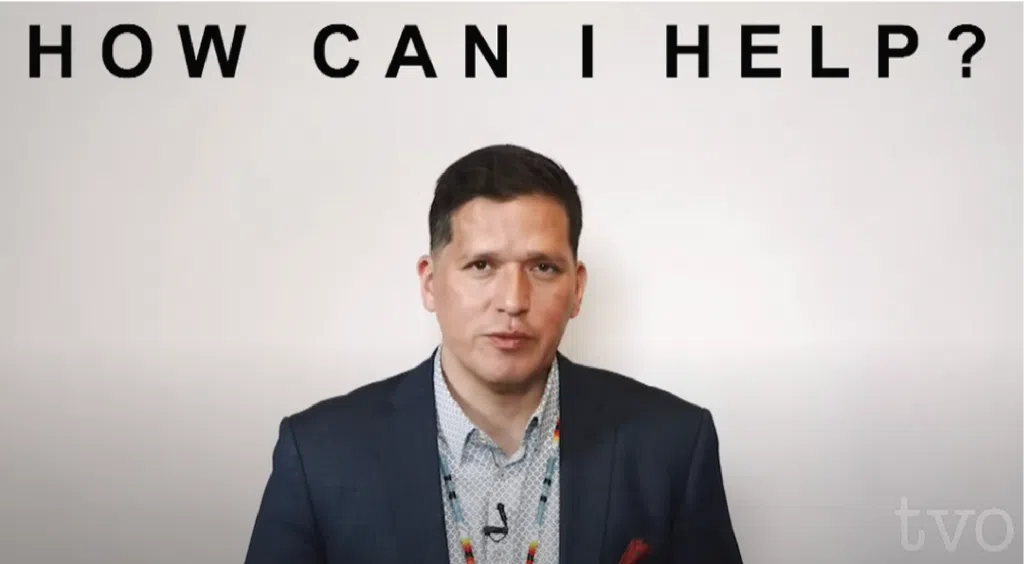
Eddy Robinson is an educator on Indigenous issues. In this web series called “First Things First,” Robinson explains why asking “How Can I Help?” is not the right question.
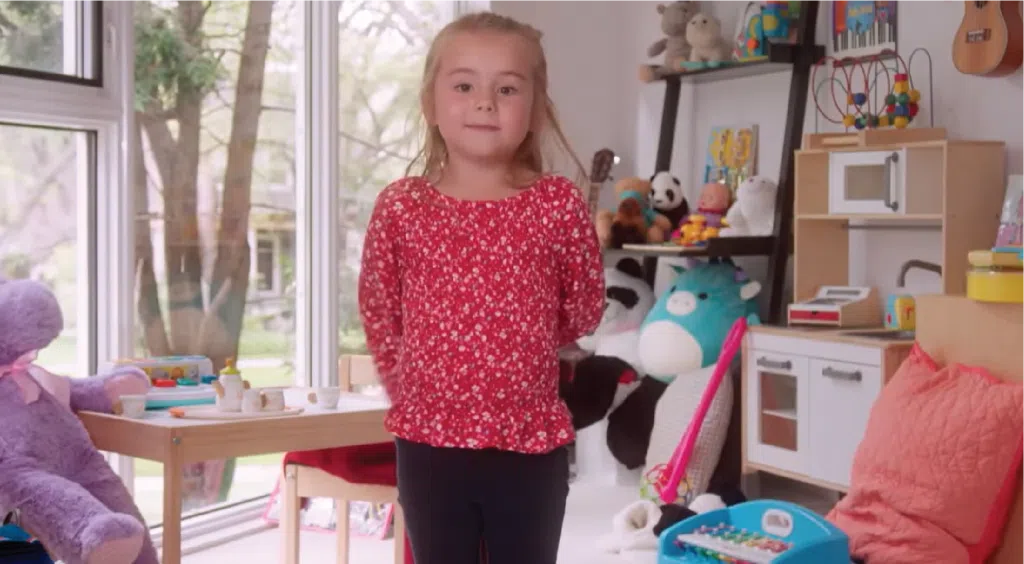
Why does Reconciliation matter? National Centre for Truth and Reconciliation presents ‘Rosie on Reconciliation.’ Rosie breaks it down for us. Share this video and watch the full #OrangeShirtDay program here.
TO LEARN MORE
It has been said that only when we face the hard truths of our past, can we truly move forward together as a better future. As Canadians, we must all learn about the history and legacy of residential schools. Here are some resources to get started in that process.
—
The Government of Canada offers a variety of resources to help you explore the history, languages, cultures and experiences of Indigenous Peoples across Canada:
https://www.canada.ca/en/canadian-heritage/campaigns/national-day-truth-reconciliation.html
All Canadians are encouraged to wear orange on Sept. 30 to honour the thousands of survivors of residential schools. Follow this link to learn more about Orange Shirt Day.
https://www.orangeshirtday.org/
The National Day for Truth and Reconciliation is a direct response to Call to Action 80, from the Truth and Reconciliation Commission, which asked for a federal statutory day of commemoration. Read more about the 94 Calls to Action.
The Canadian Centre for Diversity and Inclusion compiled a list of educational resources for NDTR which includes ways to take action, and links to books, films, podcasts and social media accounts.
The National Centre for Truth and Reconciliation resources include an interactive map of Canada’s Residential Schools. Learn about the locations of the Indian Residential Schools by clicking here.