Click here to sign up for our free daily newsletter.
Aurora Renewables (Image Credit: Submitted photo)
Environment

Sask. company talks electric vehicles with northern communities

Jan 26, 2026 | 11:39 AM

While Canada moves forward with its national goal toward zero-emission vehicles and clean fuels, a Saskatoon-based company wants to ensure northern communities are not feeling stranded on the side of the road.

Aurora Renewables is launching an online education and awareness campaign focused on making clean transportation information accessible and relevant.

The first webinar in the series is being hosted Thursday, January 29, at noon (Central Standard Time), and will feature Jason Studer-Cooke, energy manager with the Lac La Ronge Indian Band and Cheyenna Hunt, director, lands and consultation with English River First Nation.

“This project is about meeting communities where they are,” said Jonathan Palmer, vice-president of Aurora Renewables. “We’re creating space for honest conversations about what works, what doesn’t, and what clean transportation could look like in northern Saskatchewan, led by community voices and supported by technical expertise.”
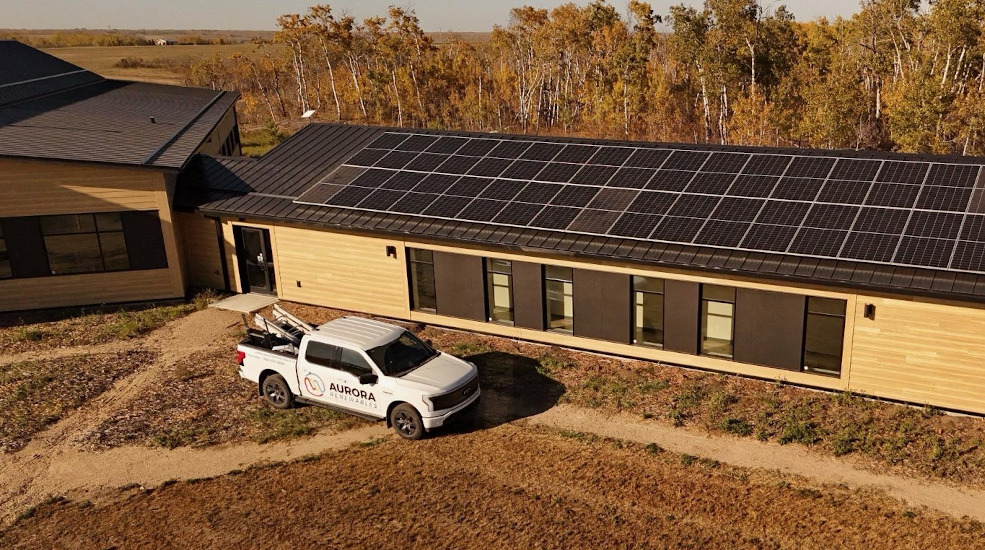
Aurora Renewables plans to deliver charging stations to a number of Indigenous communities.
Aurora Renewables plans to deliver charging stations to a number of Indigenous communities. (Image Credit: Submitted photp)

Cold winter temperatures that reduce battery range, long travel distances between communities, and limited public charging infrastructure have all slowed uptake, particularly in northern regions. Project Coordinator and Business Development Agent Mitch Carlson explained the issue is really an infrastructure problem.

“I mean the new vehicles, there’s several models that have long range, including pick up trucks such as the Chevy Silverado that can have range of over 750 km. The challenge right now is there’s no place for those to charge really,” he said.

 Through some supporting funding from Natural Resources Canada and other channels, Aurora plans to deliver new charging infrastructure into several communities including Beauval and English River.

 “We’ve also been in discussions with the Lac La Indian Band to look to get more chargers up through north central Saskatchewan,” Carlson confirmed.

Acknowledging the range of the battery powered vehicles does decrease in colder climates, Carlson stated Norway, which has now achieved nearly 100 per cent electric vehicle sales, has proven it works. In Canada, Quebec has also reached a high adoption rate for new e-vehicles.

Each webinar will bring community perspectives alongside EV and clean transportation experts, offering practical insights rather than promotional messaging. Sessions are open to anyone interested, including community members, leadership, decision-makers, and partner organizations.

“We’re really hoping to have engagement from the audience and have people join us on the webinars and provide their feedback because we’ve got some flexibility here, and we really want to tailor this to what people want to know,” Carlson said.

nigel.maxwell@pattisonmedia.com

On X: @nigelmaxwell