Click here to sign up for our free daily newsletter.
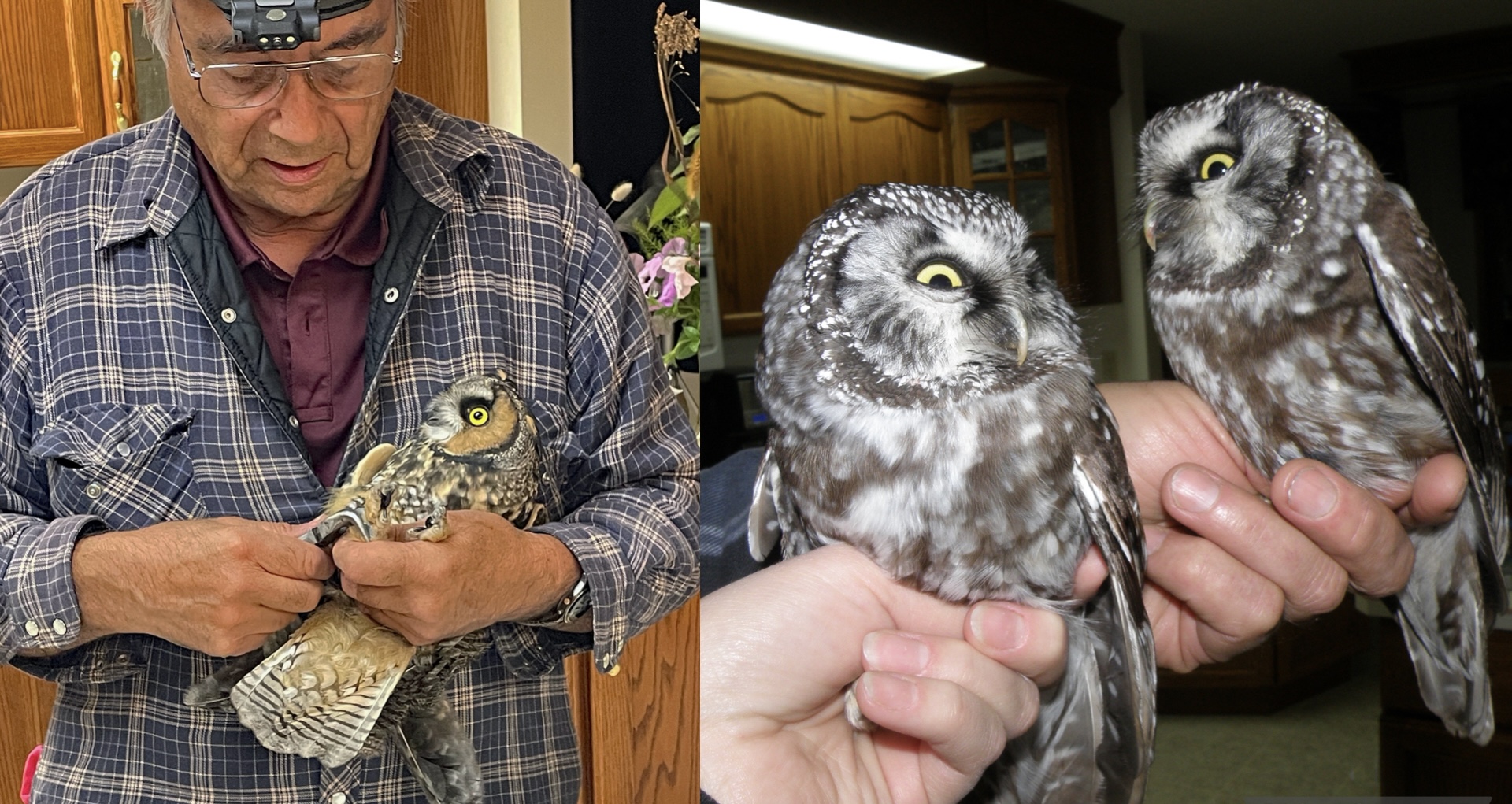
Fisher banding a Long-eared owl, and a pair of Boreal owls waiting be processed inside Fisher's home. (Image Credit: Photos provided: Harold Fisher)
Owl banding

Fall migration brings hundreds of owls through Prince Albert banding station

Nov 3, 2026 | 3:00 PM

For Harold Fisher, a fall evening in the Nisbet forest can mean an encounter with a tiny northern saw-whet owl, or a much larger bird with formidable talons.

The Prince Albert Nature Society member has spent about 20 years banding owls, capturing and marking the birds before releasing them. Late fall is a prime time for the work as migrating owls move through the Prince Albert area.
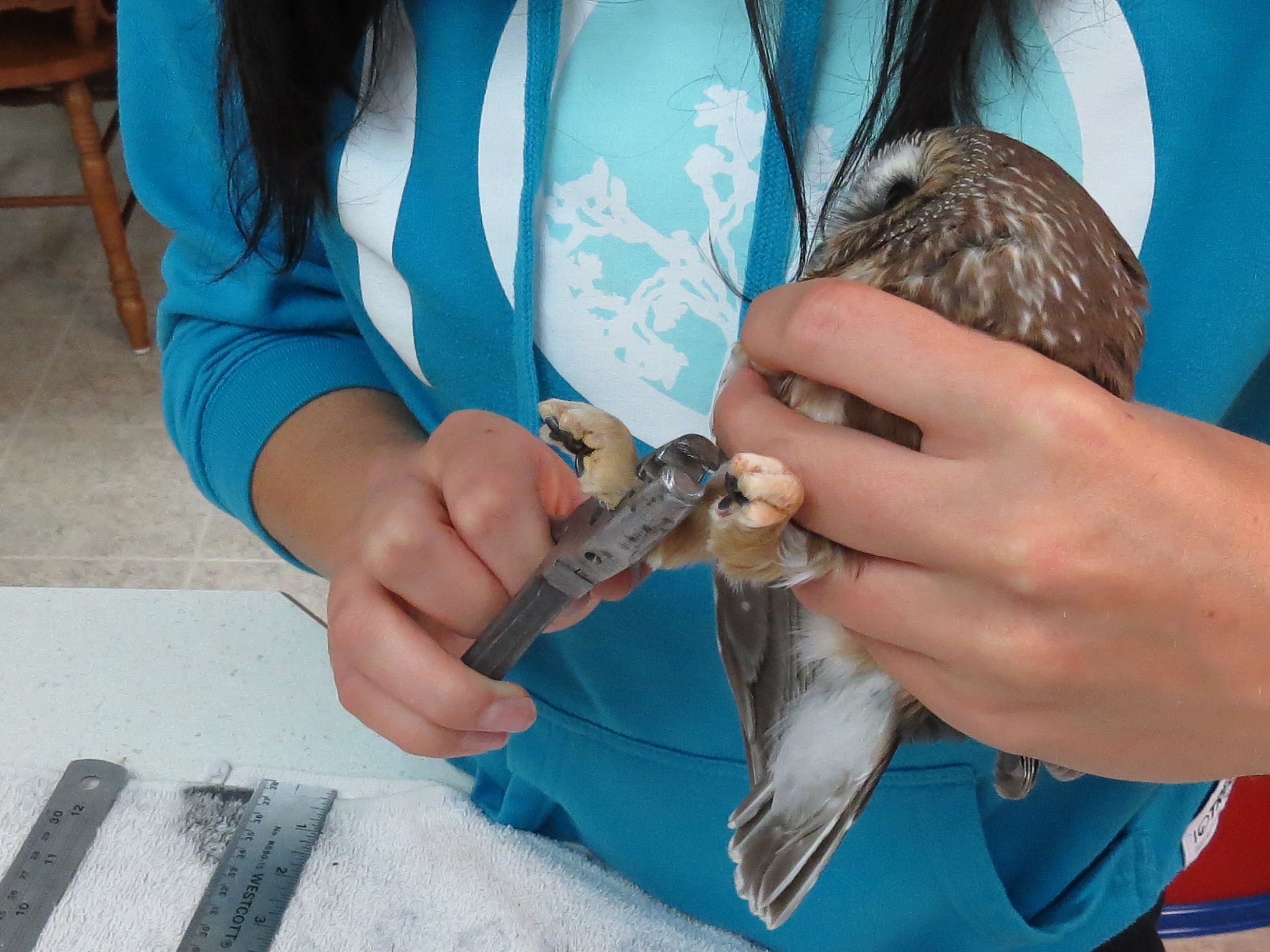
Banding a saw-whet owl captured near Prince Albert.
Banding a saw-whet owl captured near Prince Albert. (Image Credit: Submitted/Harold Fisher)

Fisher typically bands about 200 northern saw-whet owls each fall.

“We’re fortunate, I guess, we’re within the breeding range of these birds,” he said, adding banders farther south rely more on birds just passing through.

Fisher said the Nisbet forest station is one of four owl-banding stations in Saskatchewan, with others near Osler, Redberry Lake and Kyle.

His catches generally include northern saw-whet, long-eared and boreal owls, though their numbers vary with food availability and conditions.

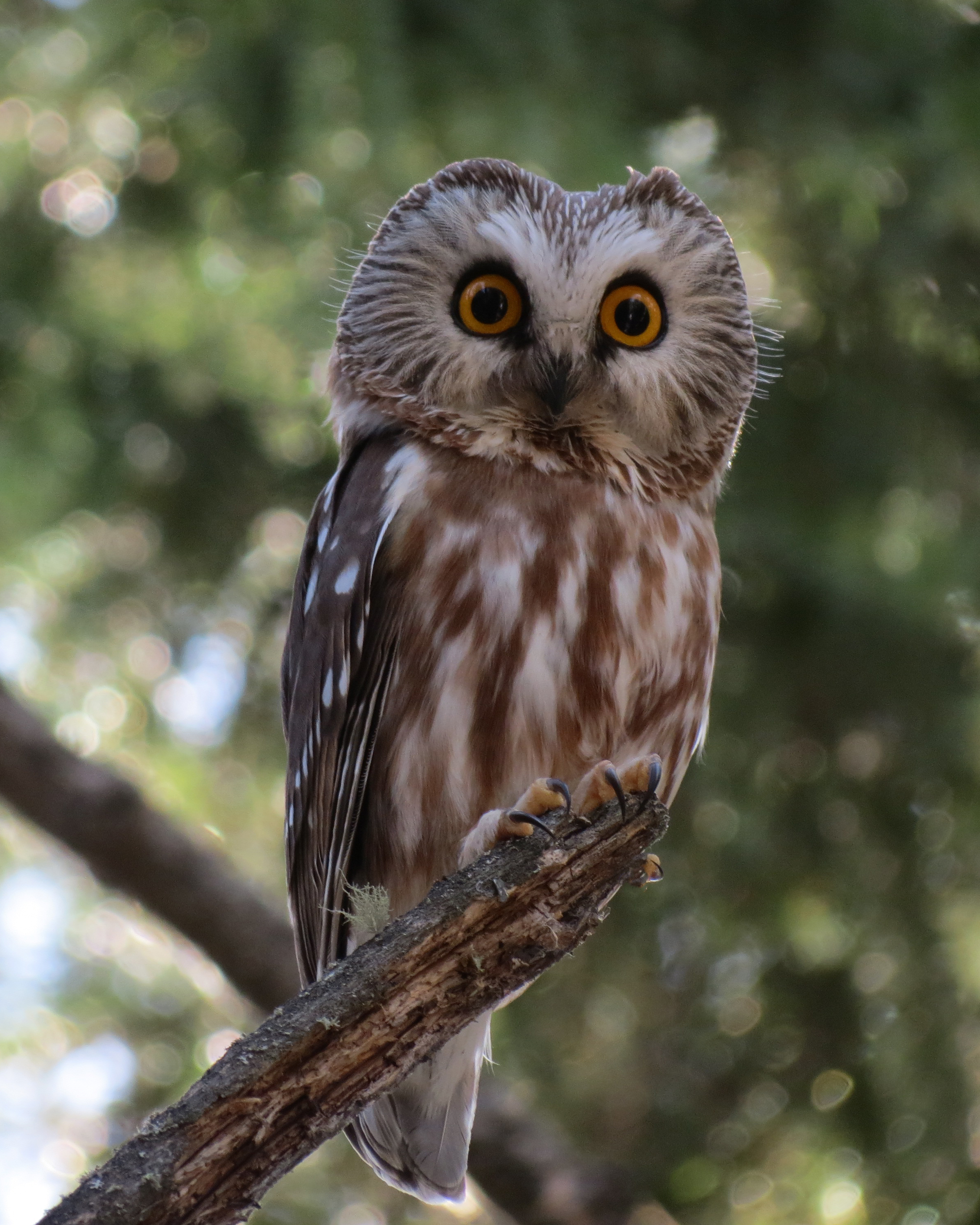
An adult northern saw-whet owl.
An adult northern saw-whet owl. (Image Credit: Submitted/Harold Fisher)

Boreal owls, for example, tend to stay farther north unless food becomes scarce. Fisher banded 40 during one particularly busy fall, compared with a more typical annual total of five to 10. He said a steady supply of rodents in the north has likely limited their movement over the past two years.

Northern saw-whet and long-eared owls move south as winter approaches because they are less suited to hunting in deep snow. To attract them to the banding station, Fisher plays recordings of their breeding calls.

“While it’s mainly a springtime routine for the birds themselves to call for mates, the birds also respond to that call during fall migration.”

This fall, however, few long-eared owls turned up in his nets. Fisher suspects a decline in the local meadow vole population left the birds with little reason to linger.

“The meadow vole numbers, which are the main food source for these birds, has collapsed over the summer, and so there’s really nothing to hold them in the area.”

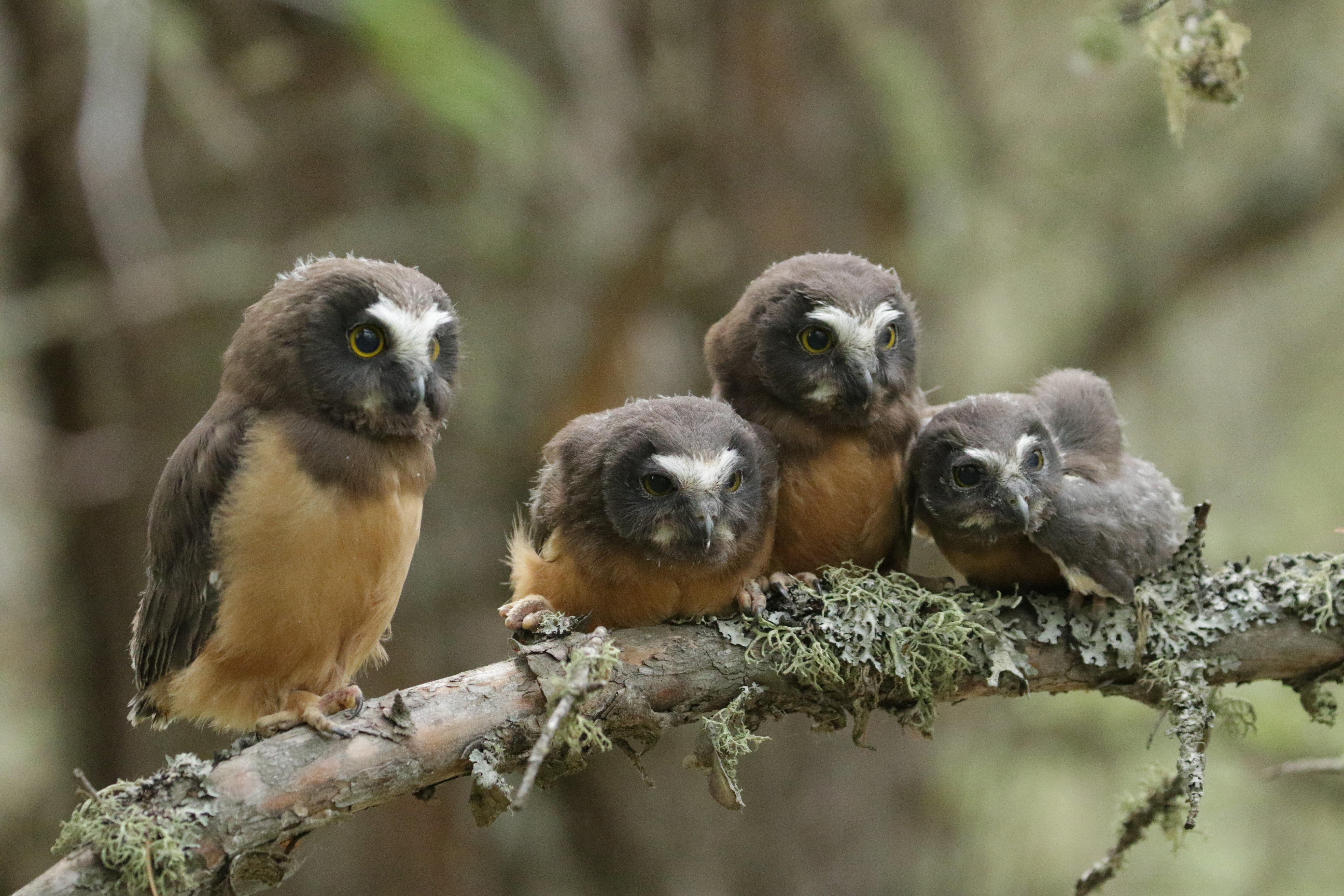
Nestling northern saw-whet owls waiting to be banded.
Nestling northern saw-whet owls waiting to be banded. (Image Credit: Submitted/Harold Fisher)

The work involves regular nighttime rounds, with nets checked every 30 minutes while in use. They are taken down during the day to prevent unintended captures.

Although Fisher bands owls for scientific purposes, the chance encounters are part of what keeps the work enjoyable.

“Every night brings with it some stories,” he said.

The night before his interview, one of those stories involved a barred owl caught in a net.

“So I approached the bird, and you have to be really careful; these things have vicious talons and to catch them just right takes a fair bit of experience.”

Fisher, however, approached from the wrong side of the net.

“The bird was able to jump out and escape. But it was an exciting moment.”

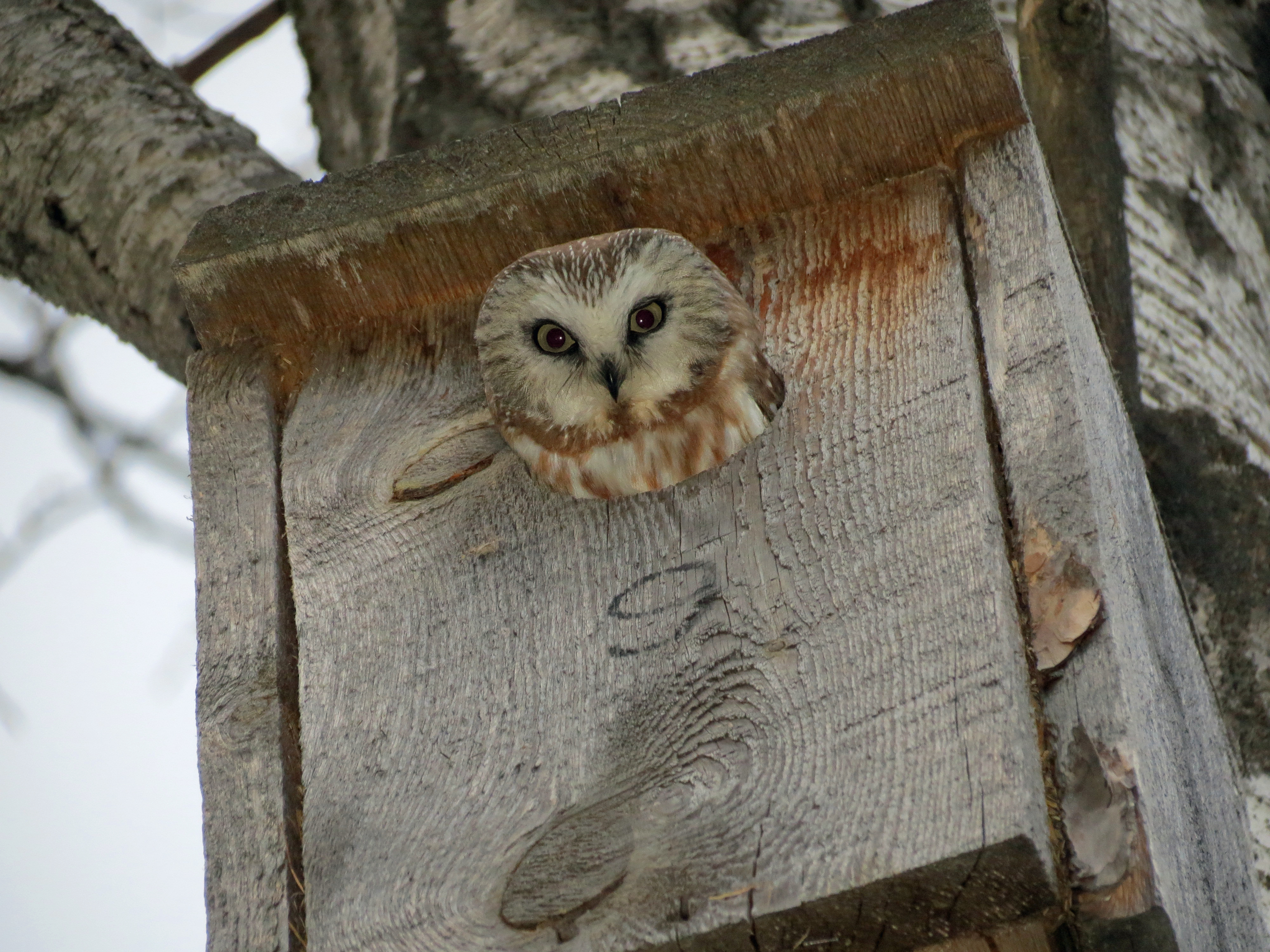
Northern saw-whet owl in a nest box.
Northern saw-whet owl in a nest box. (Image Credit: Submitted/Harold Fisher)

Great grey and northern hawk owls have also been caught at the station, adding occasional surprises to the fall routine.

—

nick.nielsen@pattisonmedia.com