Click here to sign up for our free daily newsletter.

Manitoba joins Saskatchewan for liberation therapy clinical trails

Apr 5, 2011 | 4:21 PM

After announcing its intention to go it alone back in December the province now has a partner to help it learn more about the so-called “liberation therapy” for multiple sclerosis.

Manitoba has come on-board to help out with clinical trials, announcing its intention to put $5 million towards running trials looking at whether or not the MS therapy really works.

That would match the $5 million pledged by the Saskatchewan government last year to research the procedure.

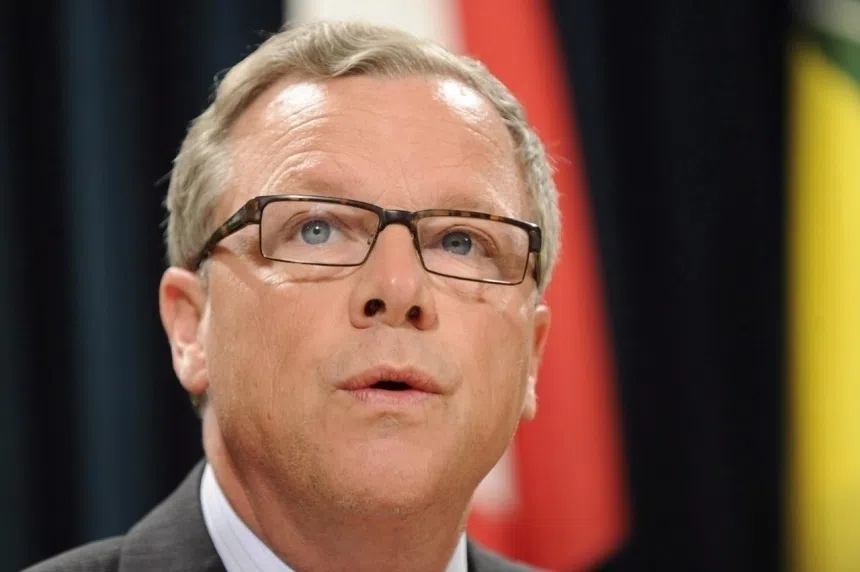
The two provinces may not follow the exact same processes, but Premier Brad Wall stresses they'll co-ordinate their work closely and learn from each others experiences.

“We're told that multi-site testing or research is preferred, obviously as we can have a broader sample group and we have two groups of doctors and scientists working on this,” Wall told reporters at the provincial Legislature building in Regina Tuesday.

Manitoba's work will be staggered several months behind Saskatchewan's because it hasn't yet issued a call for proposals, a process our province began last December.

Wall hopes to have work started in this province this summer, noting a research proposal should be chosen in the coming weeks.

Liberation therapy involves using angioplasty techniques to clear plaque accumulations from the neck veins of MS patients. In the past the government has stated the need for research is two-fold: first, people from the area have been spending significant amounts of money to travel to foreign countries and get the procedure.

Second, Wall has stated that the abnormally high rate of MS patients in Saskatchewan means the government is obligated to try and find ways to help those people.

Complicating the issue is the fact that the efficacy of the procedure is far from universal. Many patients insist their symptoms are lessened or improved after having it done, but others disagree.

The medical community in Canada has also expressed concern about the invasive nature of the surgery and the potential safety risks involved.

Wall seems to be hopeful about the results of liberation therapy, noting that Mark Docherty, a Saskatchewan Party candidate in the upcoming election, had the procedure done in Bulgaria last summer.

He says he's seen Docherty's mobility and energy improve since then.