Click here to sign up for our free daily newsletter.
(Image Credit: ID 212602723 © Anatolii Efimochkin | Dreamstime.com)
Dormant Eggs

This summer’s mosquito boom could be traced back several years, expert says

Jul 23, 2026 | 12:53 PM

For many Saskatchewan residents swatting away clouds of mosquitoes this summer, the insects may seem like a sudden nuisance.

An entomologist said the surge has actually been years in the making.

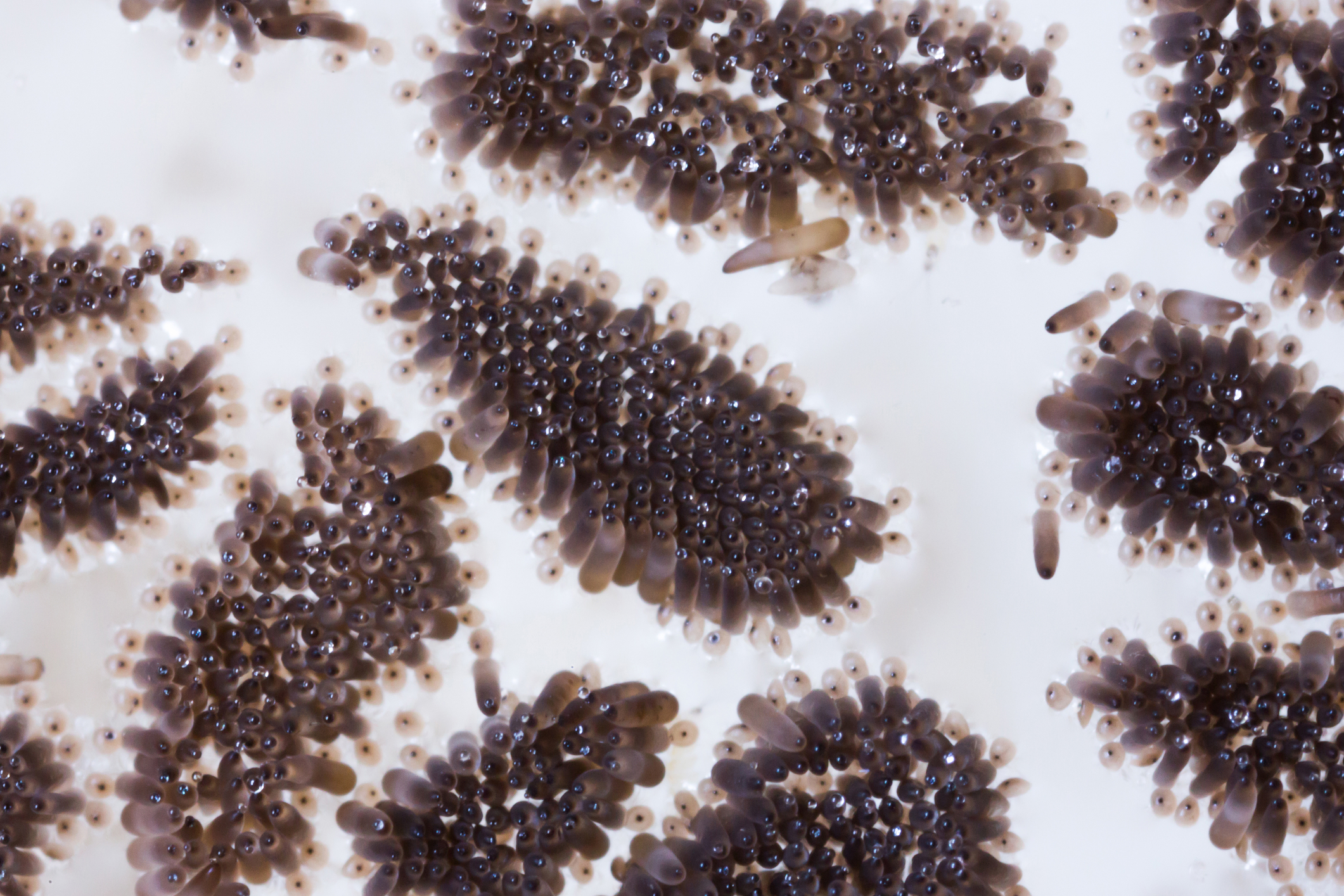
Mosquito eggs can survive for up to seven years without water before hatching when conditions become favourable, meaning this summer’s heavy rainfall has awakened years’ worth of dormant mosquito eggs laid long before this year’s storms.

“And now that the water’s there, of course, they’re going to develop,” said Taz Stuart, a Winnipeg-based entomologist.

He added those eggs could remain “in the grass, sitting in the ditches, sitting in your backyard.”

The return of wetter weather follows several unusually dry years across the province.

“We’ve had literally five, six years in a row of very, very little rain,” Stuart said. “So now you’re seeing alternate years where you’re seeing massive storms and lots of rainfall and creating those sites.”

“People are so used to so few mosquitoes because it’s been so dry and that’s a part of climate change.”

A close-up shot of mosquito eggs hatching in water.
A close-up shot of mosquito eggs hatching in water. (Image Credit: Image Credit: ID 30286668 © Mr.smith Chetanachan | Dreamstime.com)

Standing water left behind by recent rain can allow mosquitoes to develop from eggs to adults in as little as three to seven days. While wetlands and roadside ditches often come to mind, Stuart said many nuisance mosquitoes develop much closer to home.

He encourages residents to inspect bird baths, children’s toys, clogged eavestroughs and anywhere rainwater collects.

“So dump it, drain it, fill it, cover it, and treat it,” Stuart said. “That’s key.”

Stuart said the most effective way to reduce mosquito populations is to stop them before they become flying adults.

“You want to be able to kill mosquitoes in the water first,” he said.

Rather than relying on spraying adult mosquitoes, he said mosquito control programs work best by targeting larvae before they hatch. Many cities don’t fog for adult mosquitoes, because it only provides temporary relief while harming beneficial insects such as bees and butterflies. 

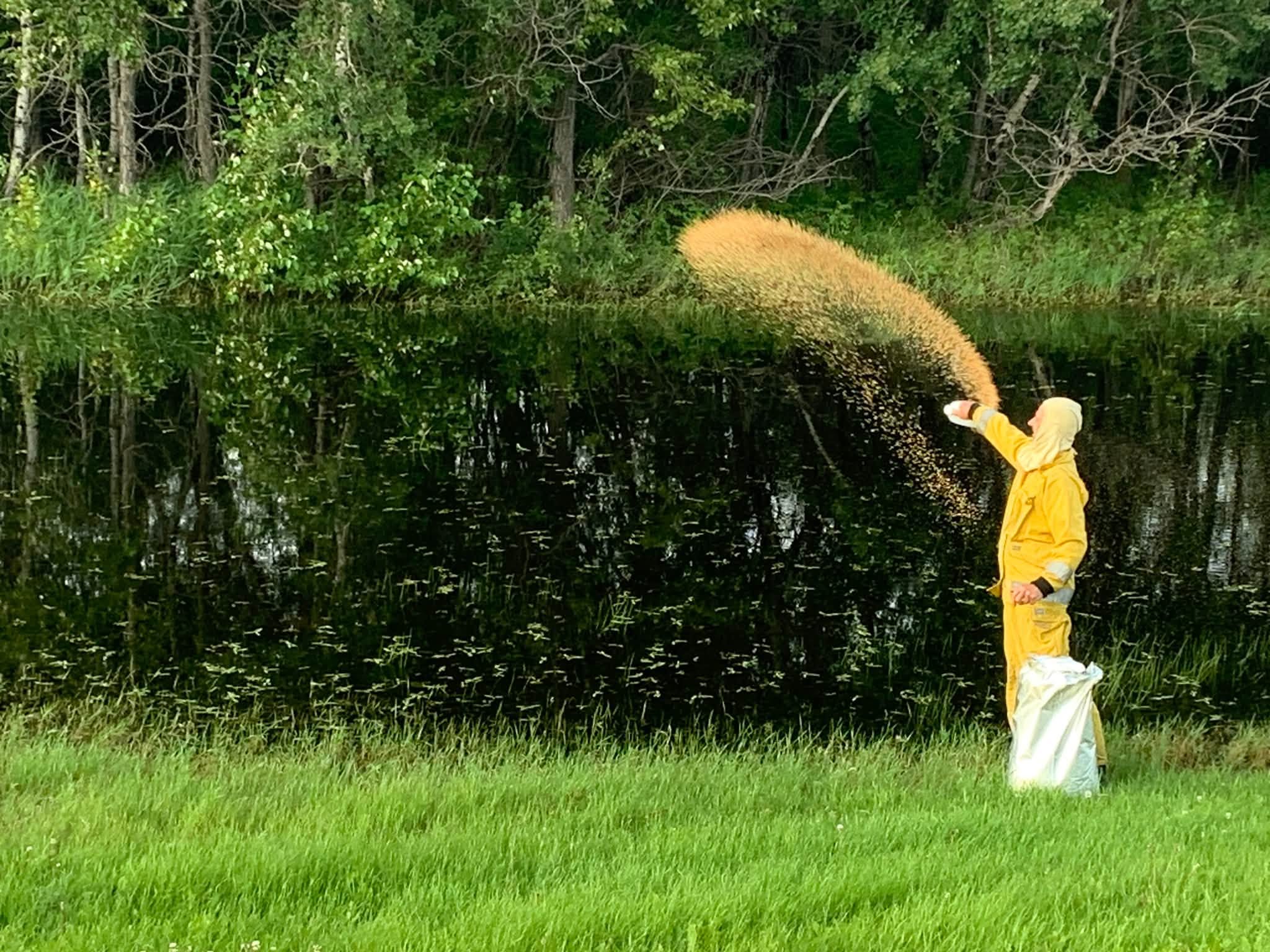
Battleford Fire Department crews apply larvicide to standing water on Finlayson Island in an effort to kill mosquito larvae before they develop into biting adults.
Battleford Fire Department crews apply larvicide to standing water on Finlayson Island in an effort to kill mosquito larvae before they develop into biting adults. (Image Credit: Battleford Fire Department/Facebook)

But Stuart said municipal efforts alone cannot eliminate mosquitoes because many breeding sites are on private property.

“Those mosquitoes that are developing in your backyard, get rid of that water, dump it, drain it, treat it, seal it, cover it,” he said. “And then of course, you’re reducing the numbers there in that way.”

Nature also helps keep mosquito numbers in check.

Dragonflies prey on mosquitoes throughout their lives, feeding on larvae in the water before they emerge and hunting adults once they take flight.

“There’s a natural ecosystem for every insect out there, and dragonflies are a part of that control program, the non-government-funded dragon plan,” Stuart said with a laugh.

Wet years also boost dragonfly populations because they rely on the same aquatic habitats, helping create a natural balance between predator and prey.

Stuart said Saskatchewan’s primary nuisance mosquito is Aedes vexans, while Culex tarsalis – the province’s primary vector for West Nile virus – becomes more active later in the summer. He recommends avoiding outdoor activities around dawn and dusk, when mosquitoes are most active, and using insect repellents containing DEET or icaridin.

Not every mosquito, however, is attracted to the same person.

One female mosquito may be drawn to someone wearing perfume or cologne, while another prefers someone producing more carbon dioxide after exercise.

“They like one person over another.”

Kenneth.Cheung@pattisonmedia.com