Click here to sign up for our free daily newsletter.
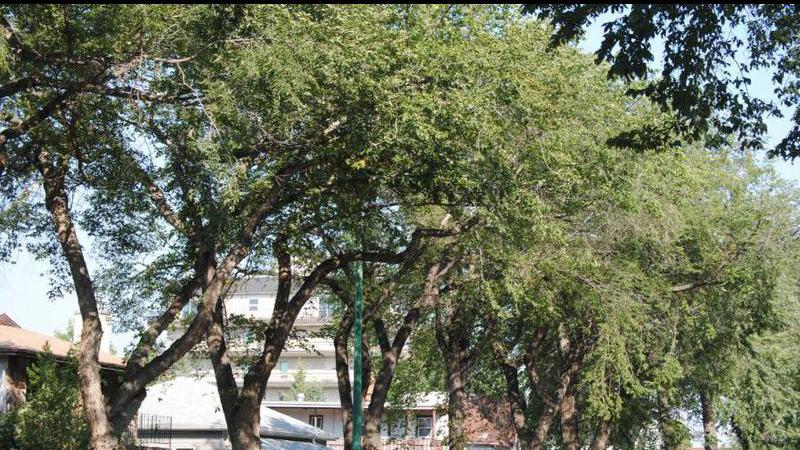
(File Photo/paNOW Staff)
only 4 trees removed

Prince Albert still managing to keep Dutch Elm Disease at bay

Aug 21, 2025 | 2:02 PM

While other towns and cities in the area are removing a number of trees due to Dutch Elm Disease (DED), the City of Prince Albert has been able to keep the threat away so far. From last year’s survey, 19 trees were diagnosed with symptoms of DED and 11 were removed.

This year, only 11 trees in the city were reported to have DED symptoms, and only four trees were removed this year and are awaiting test results to see if they have actually been infected.

In comparison, Melfort had to remove 127 infected trees this year alone.

Prince Albert Parks and Open Spaces Manager Tim Yeaman is pleased with the numbers the city has reported since they started monitoring for the disease six years ago. In that time, 58 trees have been reported to have symptoms, while only two trees have actually had confirmed cases of DED.

“It is safe to say that we are addressing necessary removals within a 24-hour period and the work we are doing to educate the public is having a positive impact on the numbers. Even though we have seen a bigger than expected jump in violations in 2025 over 2021 it is important to stay diligent and the city wishes to remind residents that should they have a concern, note something unusually or simply have a question about pruning of an elm, to have them contact the city 306-953-4884 and make the request to speak to someone from the Parks Department and we would be happy to assist.”

The City has been working with a company called Living Tree Environmental to survey the trees in Prince Albert over the past six years. This year they conducted two surveys, one running from June 26-29, and another that ran from August 11-14. Crews walk and drive around the city and mark potentially hazardous trees for city crews to then take care of.

“The survey is then turned over to the city forestry crew to address any actionable items on public property and in response to violations found on private property, the city will send out a letter of notice, an educational piece to help create awareness of the concern noted in the survey.”

That education of the public is the biggest and best weapon the city has in preventing the spread of DED. Last year, there were only two violations of people storing elm wood, while this year that number jumped up to 29 violations.

When asked why there were so many more violations this year, Yeaman couldn’t narrow down an exact reason, but he believes people who are new to the city and don’t understand how much of a threat DED actually poses.

“I have noticed that we have many new comers to the city who are not aware and have no idea what DED is or what an elm tree looks like so some of it goes back to education and assisting those new to the city with providing additional information and awareness around the subject matter. The other side of it is cyclical in nature, when we as a city become complacent then we see those numbers go up, DED requires ongoing conversations and education, the more we can do to work together with residents, and they can partner with us the more positive the results are.”

In six years, 58 trees have been diagnosed with symptoms of DED, while 20 have been removed because 50 per cent of the wood in the tree was dead, and another two trees were removed because of actual positive DED test results.

The pruning of Elm trees is illegal in Saskatchewan between April 1 until August 31. The disease is spread through the elm bark beetle, which is why storing elm wood outside is illegal.