Click here to sign up for our free daily newsletter.
(Image Credit: Northern Village of Ile-a-la Crosse/Facebook)
Île-à-la-Crosse

One of Canada’s oldest northern communities celebrates 250 years with focus on land, memory and reconnection

Jul 2, 2026 | 5:08 PM

The second-oldest settlement in Saskatchewan is marking a 250-year milestone with celebrations that are as much about memory and reconnection as they are about heritage.

As the five-day anniversary event begins July 3, residents of Île-à-la-Crosse are turning to the water, and to the stories carried across it, to reflect on the community’s past and present.

Larry Gardiner, a lifelong resident is leading boat tours as part of the celebration, guiding visitors through waterways that connect generations of families and traditional travel routes.

“We’re taking these tours to show them all where the people… where we come from, our heritage,” Gardiner said. “Everybody has their own story about where they grew up, where they’ve been, where people lived,” he said. “There’s a lot of history.”

Stops along the tour include Beaver River, Sandy Point and Fort Black which are sites that he said are essential to understanding how the region developed over time.

“Fort Black itself… there was actually a radar station there in the 50s. They were going to make an airport, everything there,” Gardiner said. “There’s a historic trail… there was a fort there at one time, a trading post.”

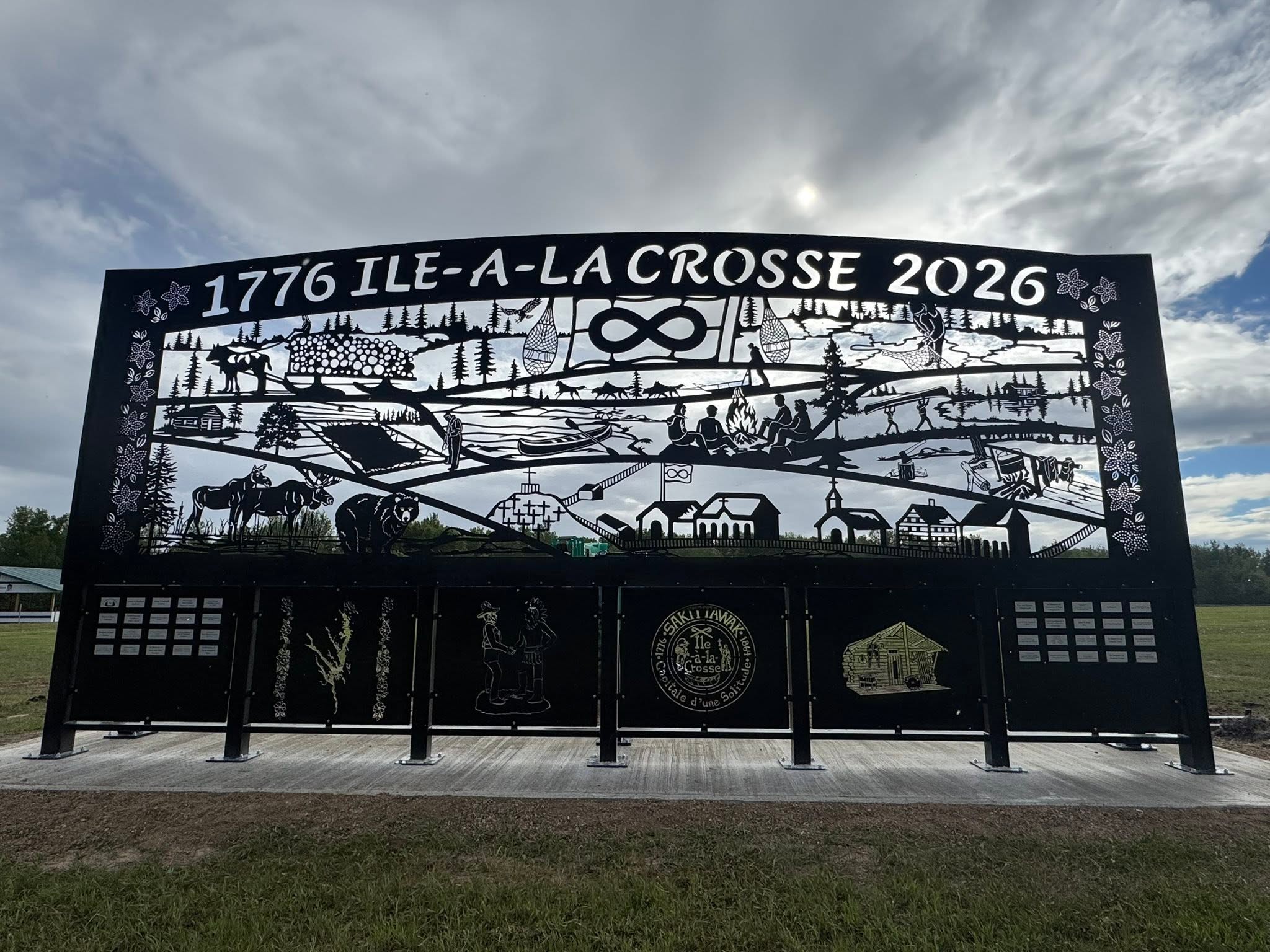
This monument was unveiled as part of the 250th anniversary for the Northern Village of Ile-a-la Crosse.
This monument was unveiled as part of the 250th anniversary for the Northern Village of Ile-a-la Crosse. (Image Credit: Northern Village of Ile-a-la-Crosse/Facebook)

Established in 1776, the community became a key hub in the fur trade, situated at the intersection of major northern waterways used by both the North West Company and the Hudson’s Bay Company. The name Île-à-la-Crosse itself is tied to that history. French voyageurs are said to have named the area after witnessing Indigenous people playing a traditional lacrosse game.

The area is also closely linked to early settlement and religious history in the North. The community is the birthplace of Louis Riel Sr., a prominent Métis figure and father of Métis leader Louis Riel. A Catholic mission established in 1846  helped make the settlement an early centre for education and health care west of Winnipeg.

Belanger said those layered histories continue to shape how residents see the community today.

“We’re resilient,” Gardiner said. “This town’s been here for a long time.”

Despite its small population of roughly 1,400 to 1,500 residents, Gardiner said the community remains closely tied to the land and traditional livelihoods.

“There’s a lot of trapping, commercial fishing that comes out of this place. We’ve got a fish plant here, a processing plant,” he said. “We use our land a lot… trapping, commercial fishing, all that stuff.”

Today, the region’s economy continues to rely on commercial fishing, forestry, wild rice harvesting and nearby resource industries, while also supporting outdoor recreation and tourism centred on the lakes and northern wilderness.

The coordinator of the 250th Anniversary Celebration for the Northern Village of Île-à-la-Crosse said the gathering is about reconnection as much as commemoration.

“It’ll be an opportunity for a lot of folks that have moved,” she said. “People from BC… Gatineau, Quebec… this is going to be an opportunity for them to come home.”

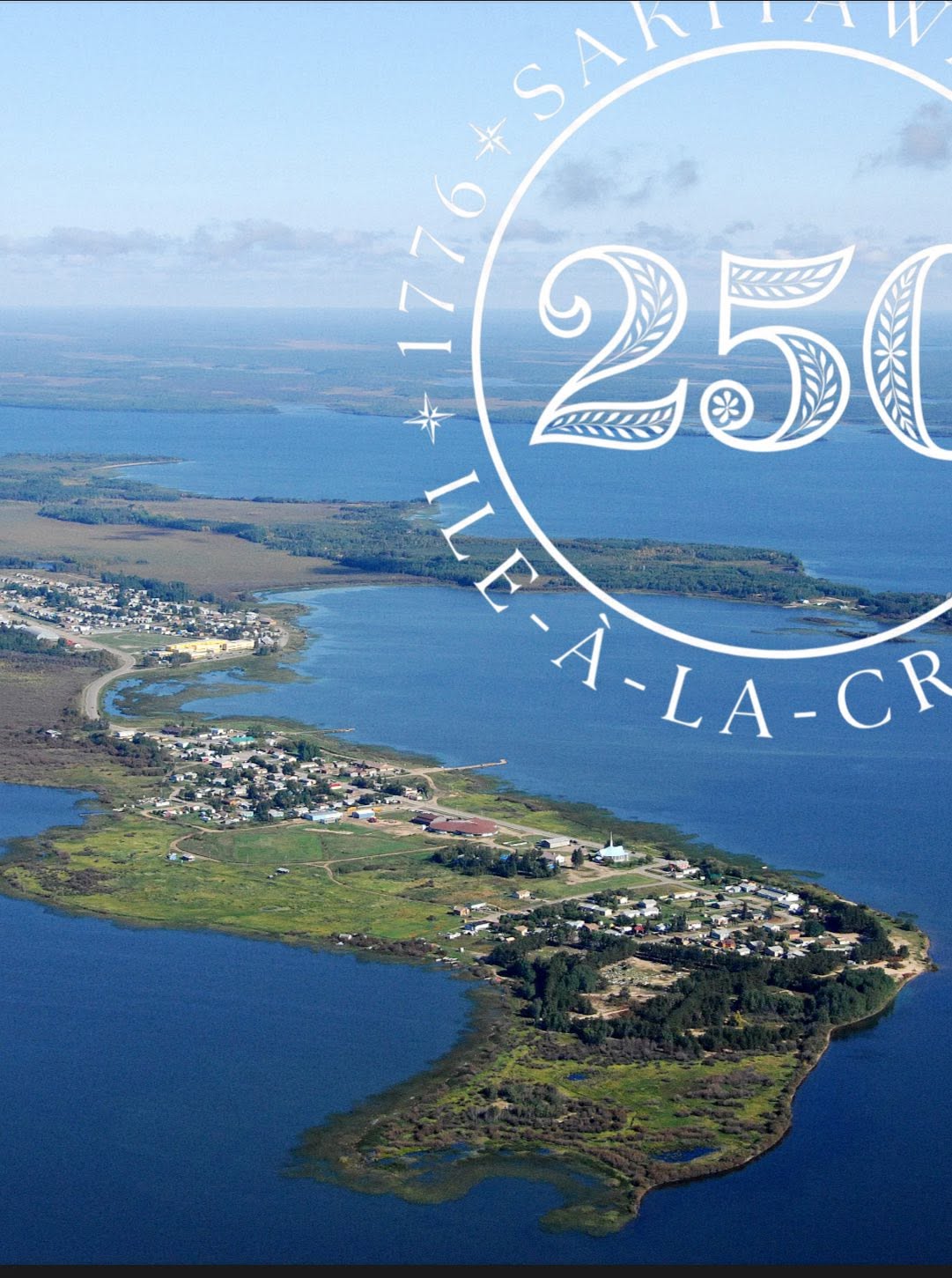
The celebration runs July 3–8 and features everything from canoe racing to storytelling and cultural demonstrations.
The celebration runs July 3–8 and features everything from canoe racing to storytelling and cultural demonstrations. (Image Credit: ilex250.ca)

The boat tours, for example, highlight geography and oral history, but Maureen Belanger said they also surface deeper reflections about identity, family and loss.

“Larry himself, myself, we each had a little island growing up,” Belanger said. “When it was time for us to come to school, we were removed from our parents’ homes.”

Belanger said the tours are intended to hold both celebration and remembrance, offering younger generations and visitors a chance to understand how families once lived across the lake system before displacement through residential school policies.

“We’d like to showcase where we all grew up and how much fun we had and all the wonderful life we had before being removed from our parents,” she said. “Good memories. That’s all we have of growing up across the lake.”

She said guests will be offered traditional food along the boat tour route.

“They’re going to serve fish and bannock and tea, a traditional meal that you would often be greeted with when you were visiting people in the islands,” Belanger said. “So, he’s going to give that as a taste of who we were growing up.”

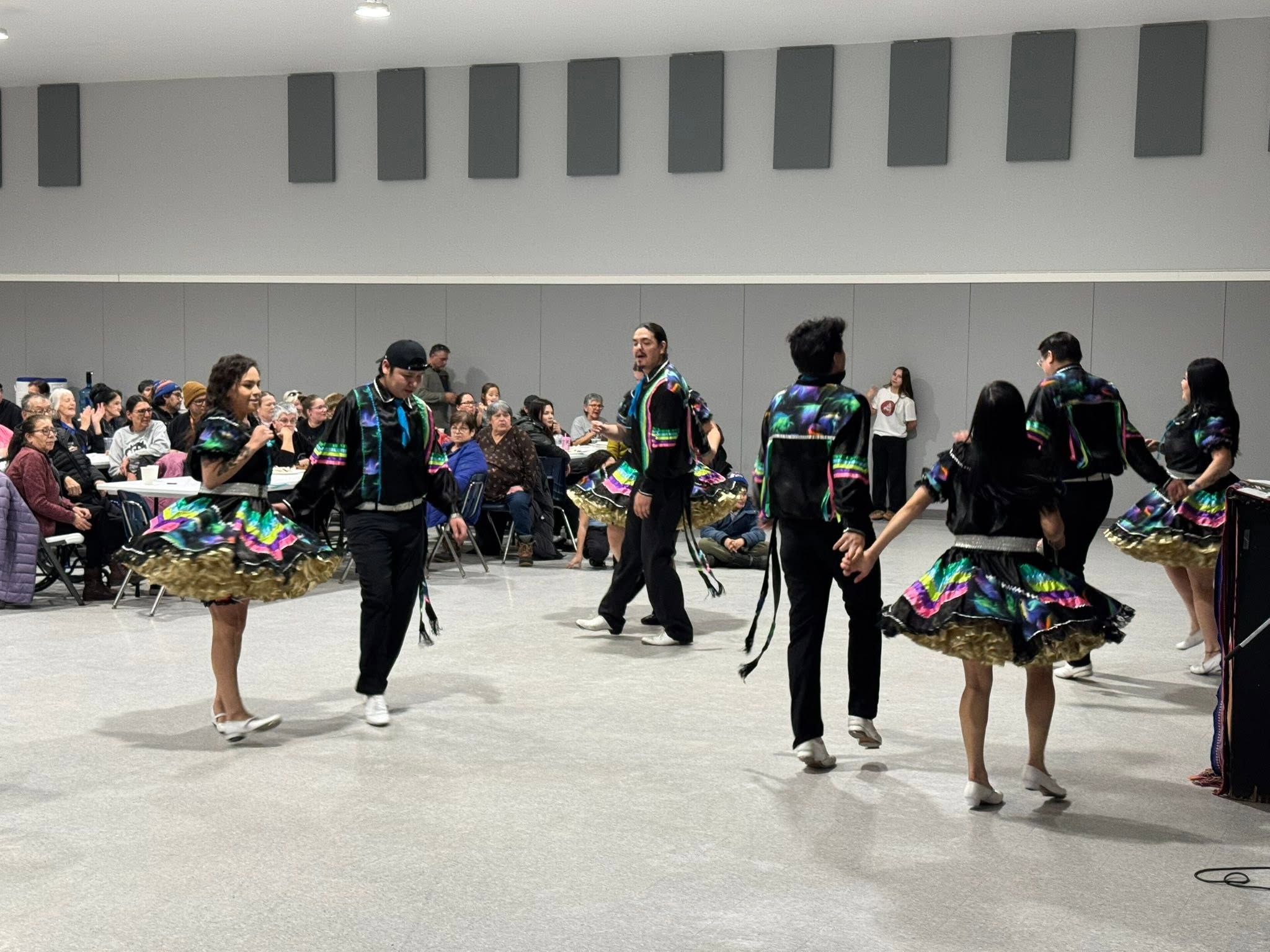
A $25,000 square dancing and jigging contest will be a part of the events.
A $25,000 square dancing and jigging contest will be a part of the events. (Image Credit: Northern Village of Île-à-la-Crosse/Facebook)

The celebration will include cultural programming, live entertainment, traditional teachings, sporting events and a Healing Village offering ceremony and wellness supports.

“If you need time to reconnect, re-energize with your spirit, that’ll be another venue that we’re offering,” Belanger said.

For Gardiner, the goal is straightforward.

“I hope the first thing is I hope they have fun,” he said. “Have good laughs, everybody enjoy themselves… see our community, and tell a story about where we come from, about 250 years.”

More information on the Île-à-la-Crosse 250 anniversary celebrations is available at https://www.ilex250.ca/

 —

panews@pattisonmedia.com