Click here to sign up for our free daily newsletter.
(Image Credit: paNOW Staff)
Alcohol Tarrifs

Prince Albert distiller caught between Canadian, U.S. alcohol markets as trade tensions grow

Aug 28, 2026 | 7:00 AM

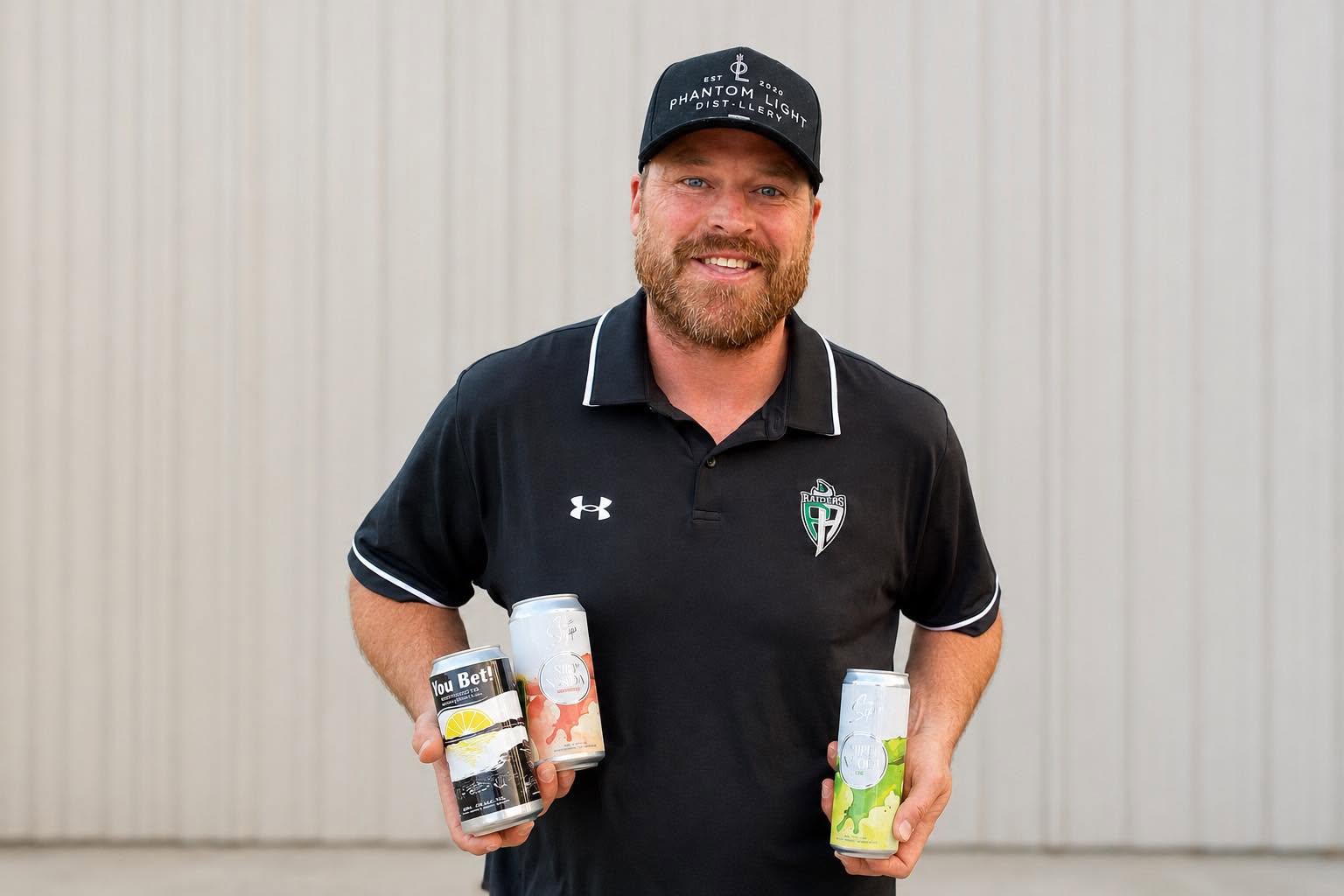
A Prince Albert distiller says the Canada-U.S. trade dispute is creating new challenges for his business, but the difficulties of selling alcohol across borders existed long before the latest tariffs.

Drew Martin, president and co-founder of Phantom Light Distillery, said selling Saskatchewan-made alcohol within Canada can be complicated because each province has its own rules and liquor system.

For a small producer looking to expand, that can mean navigating different requirements, markups and distribution systems from province to province.

Martin said Phantom Light has been able to establish a presence in Saskatchewan and Alberta, but expanding into other provinces has been more difficult.


It was only recently that Canada moved toward reducing interprovincial barriers. Nine provinces signed an agreement in July to allow more direct-to-consumer alcohol sales across provincial borders.

“It was actually cheaper for us to go and try and build a market in the U.S. than it was for us to go to a neighbouring province and do business there,” Martin said.

But now, that U.S. market has become more difficult as a result of the trade dispute.

The United States has imposed a 50 per cent tariff on Canadian alcohol, while Saskatchewan announced Wednesday it will impose a 50 per cent levy on U.S.-origin alcohol imported into the province, effective Sept. 8.

Martin said Phantom Light sells its products in the United States, including in Nevada, and the tariff has made doing business there less predictable.

He said the tariff does not necessarily mean American consumers will see the full 50 per cent increase on the shelf, because the additional cost can be shared among the producer, importer, distributor and retailer.

But the added cost still affects the business and makes it harder to plan for the U.S. market.

“If you’re going to play in the States, you better live in the States because the tariff stuff just makes it so unpredictable,” he said.

Martin said one possible long-term solution for Canadian producers wanting to remain in the U.S. market could be partnering with or producing through an American distillery.

At the same time, he is watching Saskatchewan’s decision to levy an additional 50 per cent on U.S. alcohol.

Martin said he understands why the province is responding to the American tariff and wants Saskatchewan-made products to benefit from the change.

However, he is not convinced making American products more expensive will automatically translate into more sales for Saskatchewan producers.

He pointed to an earlier period when American products were expected to be removed from Saskatchewan liquor stores. Martin said retailers stocked up on American products ahead of the change because they did not want to run out.

When the measure was later lifted, he said, retailers were left with large inventories of American products, leaving less room on shelves for Canadian products.

For Martin, that experience illustrates why changing the price or availability of American alcohol does not necessarily produce a straightforward benefit for Saskatchewan producers.

“I do believe they’re trying,” Martin said of governments’ efforts to address the trade dispute.

He said he is proud Phantom Light is a Canadian company and wants to see Saskatchewan-made products succeed both at home and internationally.

But he said reducing barriers for Canadian producers within Canada would also be important to helping businesses like his grow.

“It would be really nice if we could sell to Canadians, period,” Martin said.


panews@pattisonmedia.com