Click here to sign up for our free daily newsletter.
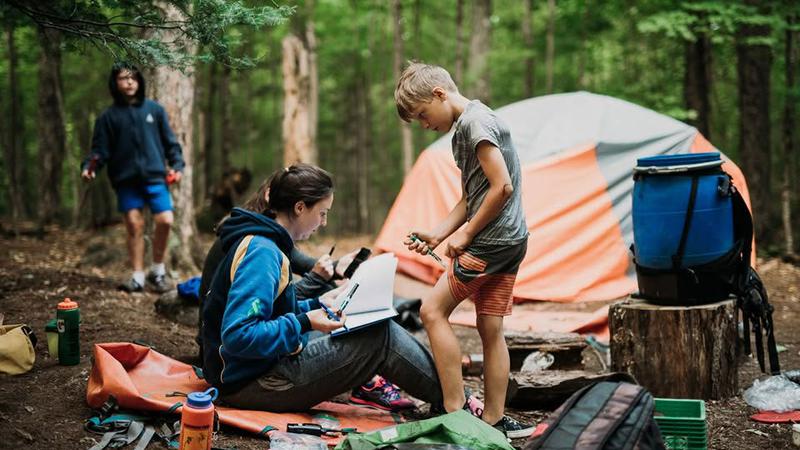
Camp Kornder is held each summer at Christopher Lake for kids with Type 1 diabetes. (D Camps/Facebook)
Camp Kornder

Camp at Christopher Lake welcomes campers with Type 1 diabetes

Jul 26, 2025 | 8:00 AM

When Emily Rowein was first diagnosed with Type 1 diabetes (T1D) in March of last year, she felt alone and overwhelmed, but a one-of-a-kind camp on the shores of Christopher Lake is helping kids like her, and their families, take a break from life with the chronic condition.

Camp Kornder is one of nine camps that Diabetes Canada operates across the country. What makes it unique is the team of volunteer doctors and nurses who ensure the campers have access to on-site medical care around the clock.

“I went last year and it was amazing. The diabetes care was amazing, and I barely had to do anything about my diabetes because someone else was taking care of it. It’s all diabetes experts from Regina and Saskatoon that go up there and I just get to see all my friends who are in the same situation that I am,” said Emily.
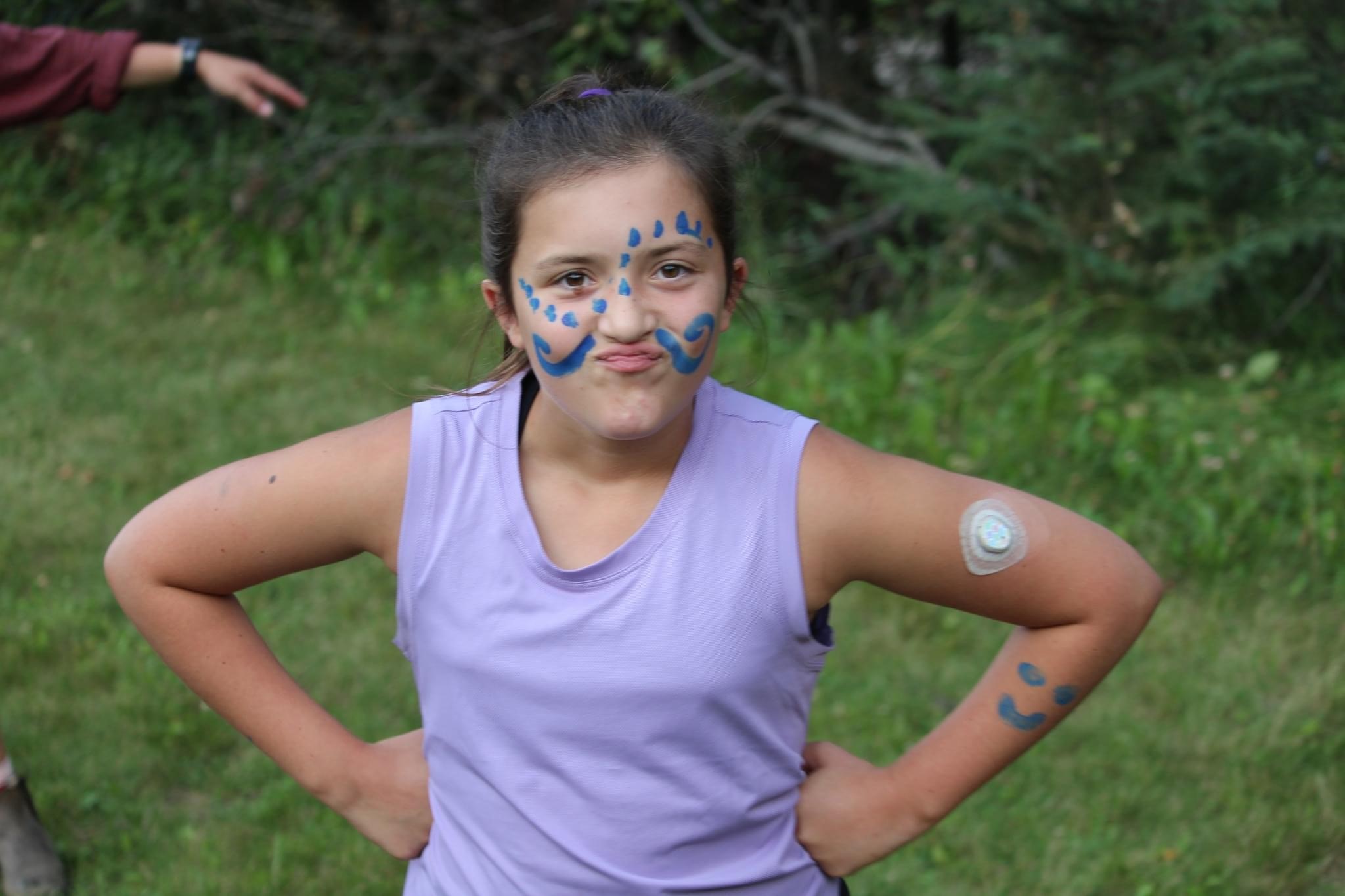
Emily Rowein, from Regina, is attending Camp Kornder for the second time this summer. (Submitted photo/Amber Rowein)
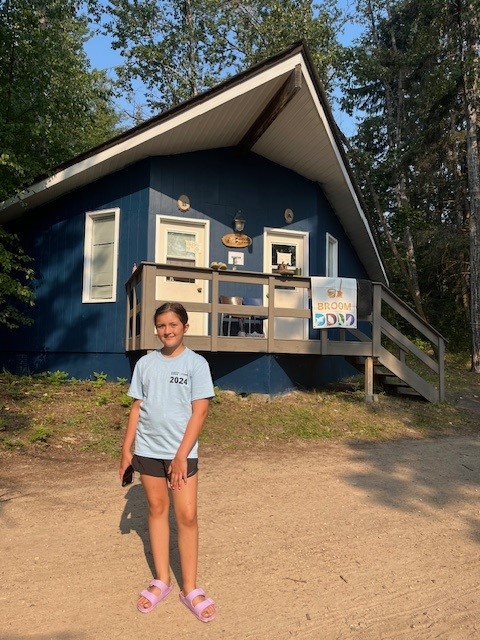

The last year has been a steep learning curve for Emily and her family as they navigate the new norms of monitoring her glucose, administering insulin, and counting carbohydrates. Emily’s diagnosis actually caught the family off guard, according to mom Amber.

“We don’t really have Type 1 diabetes in our family and Emily’s initially presented like the stomach flu,” said Amber. “It escalated, so I took her into the emergency room in Regina and right away they told us she’s diabetic.”

An estimated 10,000 people in Saskatchewan live with T1D. It’s a chronic autoimmune condition in which insulin-producing cells are mistakenly destroyed by the body’s immune system. With no cure currently available, the lifelong disease is constant and can take a toll on a patient’s physical and mental well-being.

“I have a pump, so it’s much different now. When I was taking injections, I always needed to know exactly how many carbs or if I was high, I’d have to go do something else and taking the insulin was a stress because I didn’t love needles, so that was also a problem,” Emily said.

Emily, at Camp Kornder last summer. (Submitted photo/Amber Rowein)
Today she copes by reaching out to friends who also have TD1- several of whom she met at Camp Kornder last summer.

“I want everyone to know that, like, some people may be a little scared to go, especially with all the medical stuff, but there is so much happening there and everyone knows what your numbers are and if you’re ok. I just love it because it’s a break and you also don’t feel so alone.”

The camp is also a break for Emily’s family since she’ll be medically supervised the entire time. Even when its time to eat, she chooses from a menu and the staff count the carbs for her and adjust her insulin accordingly, so she can just focus on fun and friends.

“What was really impactful too was we saw lots of the team from the hospitals there and learning that they are volunteering their hours to be there…it’s just pretty powerful,” said Amber.

Camp Kornder is partnered with Quest Camp at Christopher Lake. They accommodate 65 campers per session, ages 7 to 15. Many of the staff also live with TD1, creating more opportunities for kids to learn and relate.

panews@pattisonmedia.com