Click here to sign up for our free daily newsletter.
Prince Albert City Manager Craig Guidinger studies the bronze sculpture. (Image Credit: Nigel Maxwell/ paNOW Staff)
Indigenous history

Prince Albert celebrates opening of Passage Home and Healing Park

Aug 23, 2026 | 12:46 PM

A green space and large sculpture near Prince Albert’s downtown area will from this day forward serve as a memorial healing site and community gathering place dedicated to Indigenous children who died away from home, and to those who continue finding their way home because of day schools, residential schools, and the Sixties Scoop. 

A dedication ceremony was held on Saturday for the new public artwork Passage Home and Healing Park at Scarrow Plaza. The event also commemorated the 150th Anniversary of the Signing of Treaty Six and was presented by Common Weal Community Arts and the City of Prince Albert Public Art Working Group. 

This City of Prince Albert public art acquisition project was undertaken through the City’s Public Art Policy and Public Art Working Group in collaboration with artist Mary Longman (Askîypiyêsiwiskwêw), a renowned Saulteaux artist from Gordon’s First Nation. Longman was present for the event and told the large crowd she was hononored to be a part of the project and wants to be an advocate for Indigenous children. 

“I’ve been in the system, and so many of my relatives, and so we know what those systems are like to live in day in day out and the traumas that come with it. So hopefully today will be some kind of contribution to bring change,” she said. 

Noting the long winding path that runs through the park, Longman explained it represents a winding river to connect with the North Saskatchewan river.

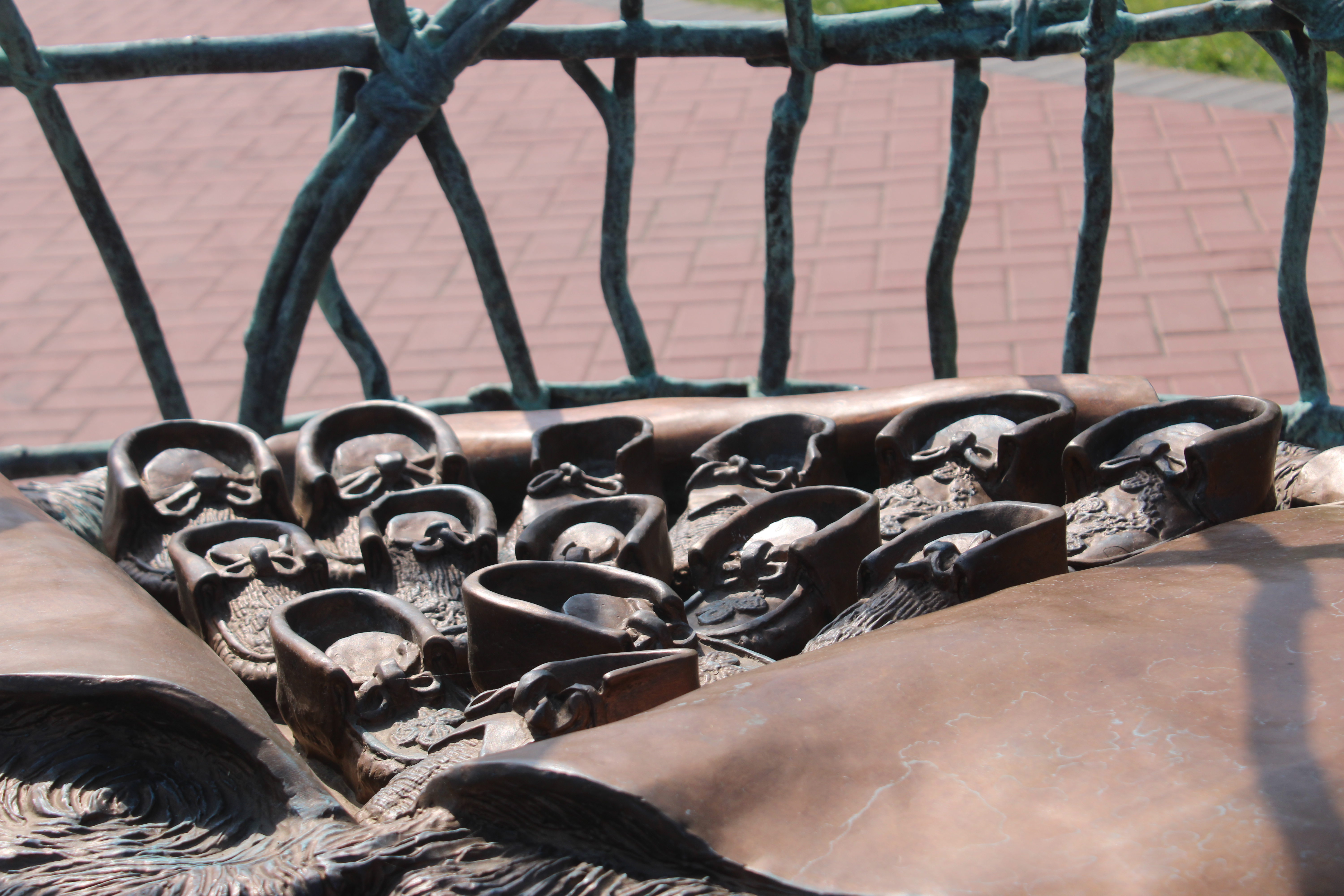
The bronze sculpture is based on the form of a traditional akotâpân (travois), symbolically offering safe passage for children to return to their families and territories of origin and to rest in peace. 

For generations, Indigenous Peoples of the Plains transported children and belongings using an akotâpân, originally pulled by an atim (dog) and later by a misatim (horse). Traditionally lined with bison hides, the travois provided children with a soft and secure place during travel. 

Longman explained it was made entirely of wood with real lodge poles. The bison bundle and the moccasins were made out of foundry clay.  

“I couldn’t figure out how to take a mold. Even the carriage itself was too complex to take a mold off of. So I had to move into a whole new area and so this was a big learning curve for me, learning 3D printing.”  


(Image Credit: Nigel Maxwell/ paNOW Staff)

Longman explained she’d like to use this piece to promote several calls to action. They all concern, in her words, the continued mass apprehension of Indigenous children by child and family services and social services.  

Her first call to action is to fully actualize Bill C-92, which recognizes Indigenous jurisdiction over child and family services to keep children connected to their families and communities. 

“Well, this act appeared to be promising, and said they have a fund for bands to set up their own child and family services. To go and find those funds is really problematic, as they’re kind of invisible.” 

Another one of Longman’s calls to action is to establish provincial Indigenous child and family centres in every capital across Canada. Longman said these centres, led by Indigenous administrators and Indigenous social workers, will have authority over foster care placements, family support, and adoptions while having access to the general social service system and its database.  

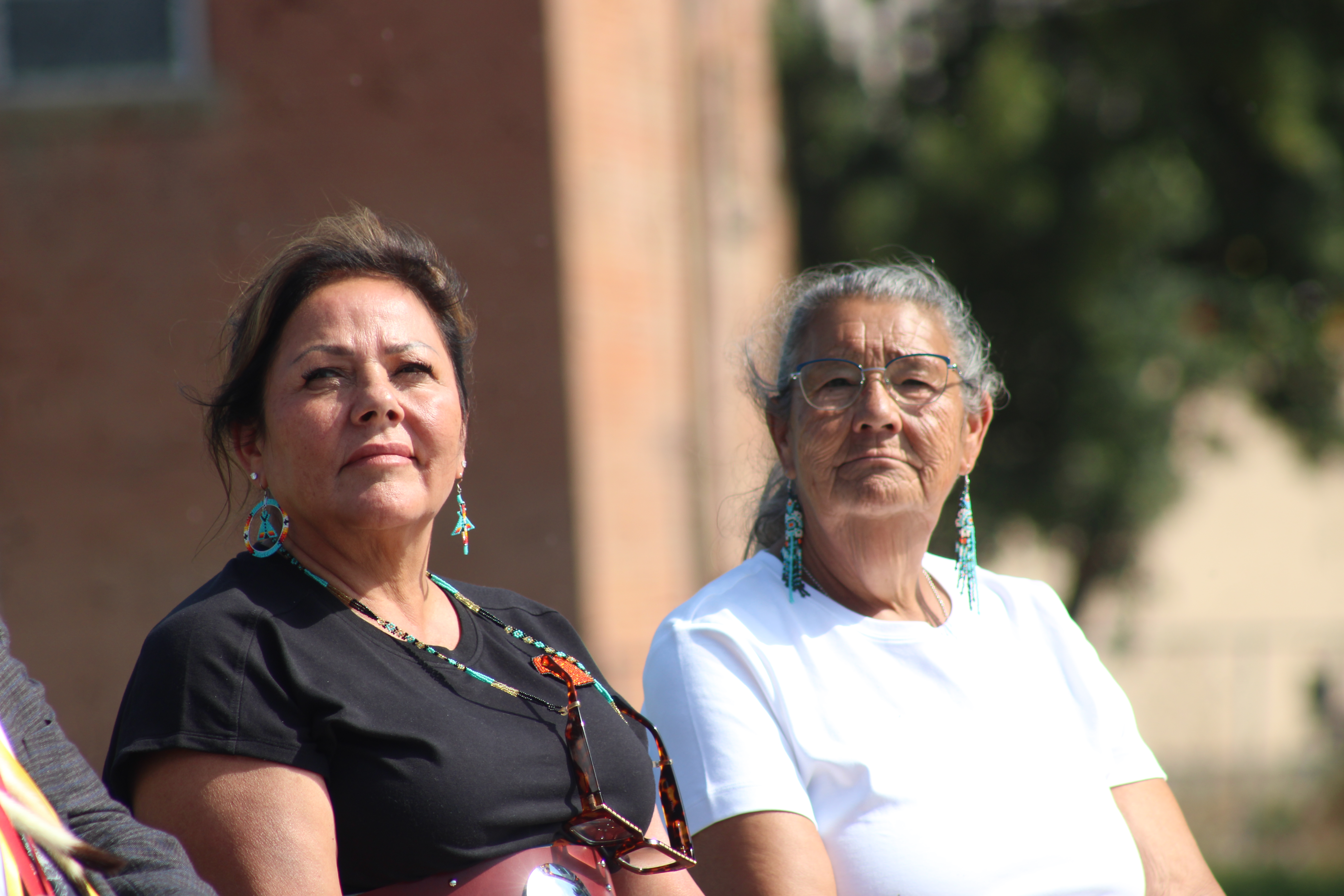
Mary Longman with Elder Liz Settee.
Mary Longman with Elder Liz Settee. (Image Credit: Nigel Maxwell/ paNOW Staff)
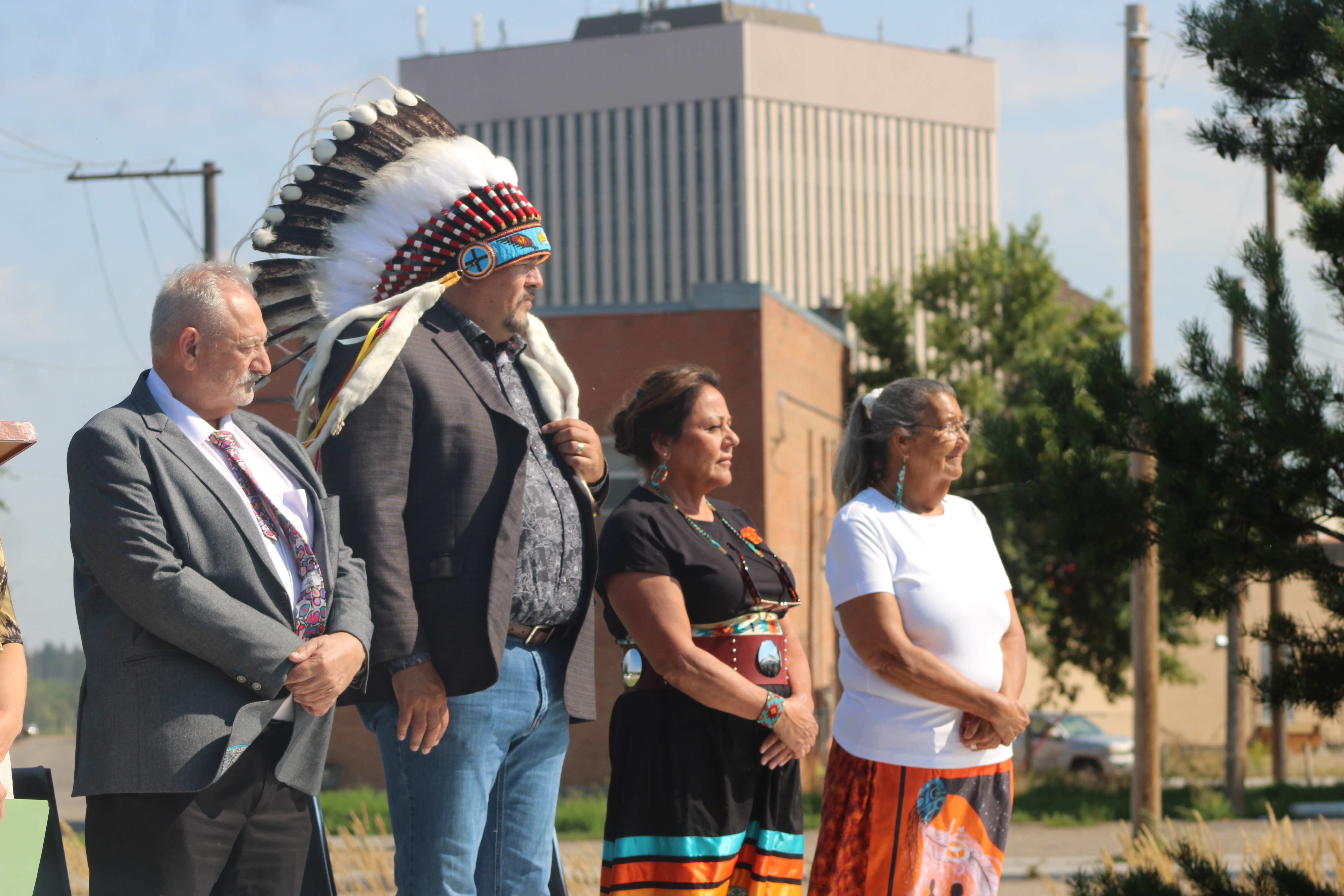
From left to right: Mayor Bill Powalinsky, George Gordon Chief Shawn Longman, Artist Mary Longman, and Elder Liz Settee.
From left to right: Mayor Bill Powalinsky, George Gordon Chief Shawn Longman, Artist Mary Longman, and Elder Liz Settee. (Image Credit: Nigel Maxwell)

In 2016, the City of Prince Albert adopted a public art policy. The policy, along with subsequent public art plans, was developed through a working group, a dedicated group of community members who brought knowledge, experience, and a deep passion for public art to this process.  

“Passage Home is an incredibly meaningful artwork for our city. It serves as a commemoration of the survivors of residential schools, day schools, and the Sixties Scoop. Together, the sculpture and healing garden create a space for remembrance, reflection, grief, and healing,” Judy MacLeod Campbell, arts and culture manager, explained. 

Campbell added Mary Longman has brought extraordinary thought, care, dedication, and artistry to this project.

“We are deeply grateful for the talents, wisdom, and compassion that she shared through Passage Home. This powerful work will serve our community and region for generations to come.”  

nigel.maxwell@pattisonmedia.com 

On X: @nigemaxwell