Click here to sign up for our free daily newsletter.
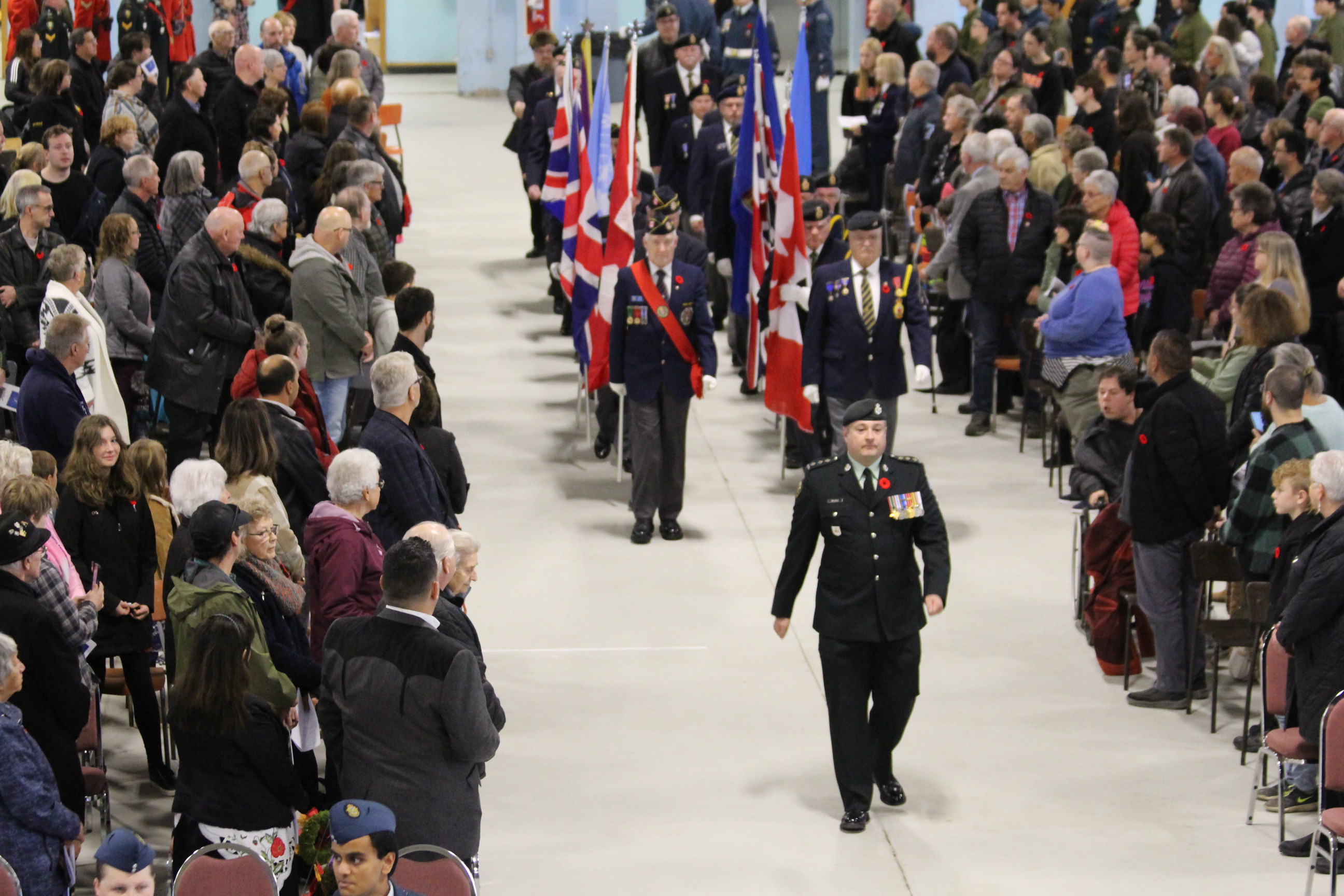
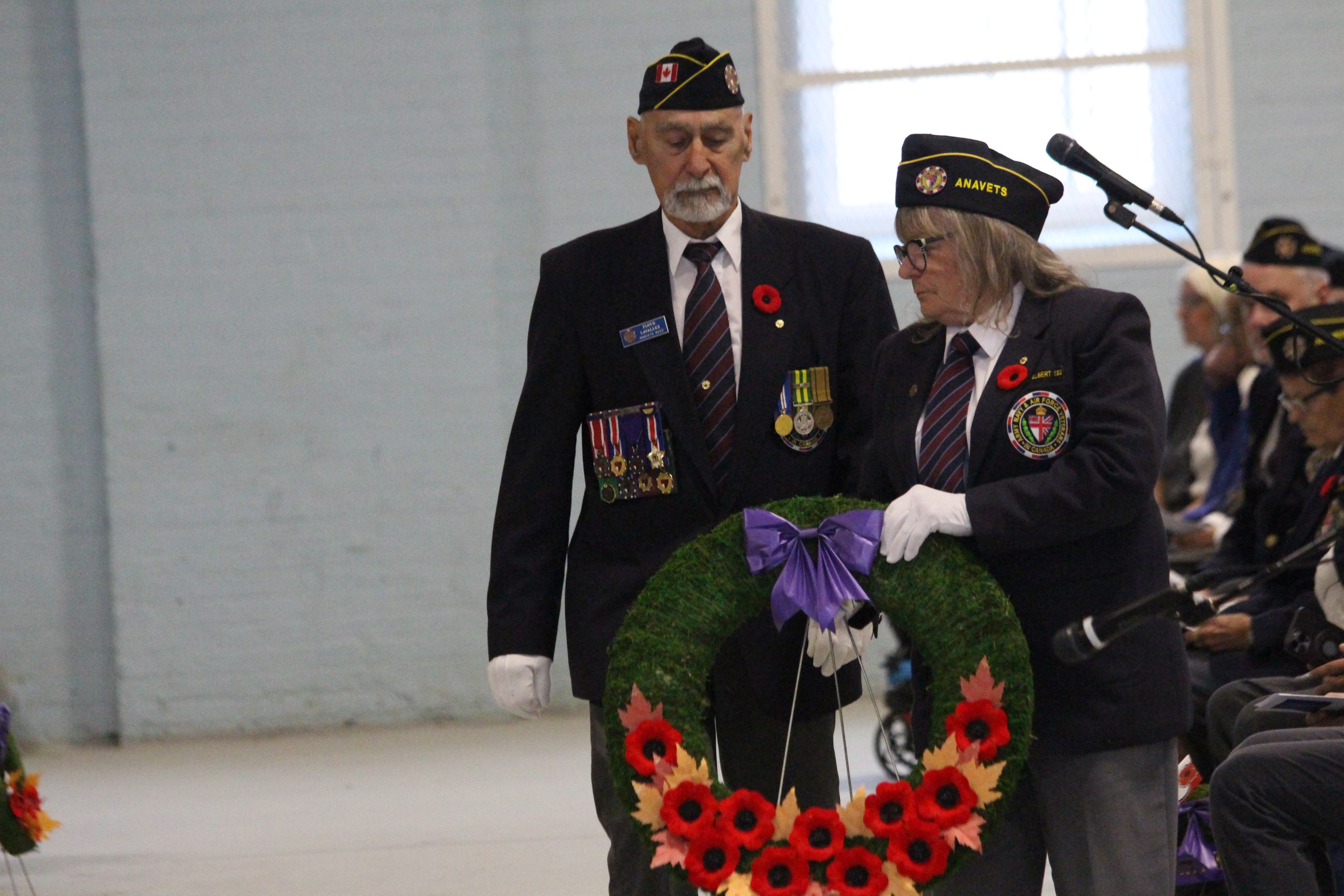
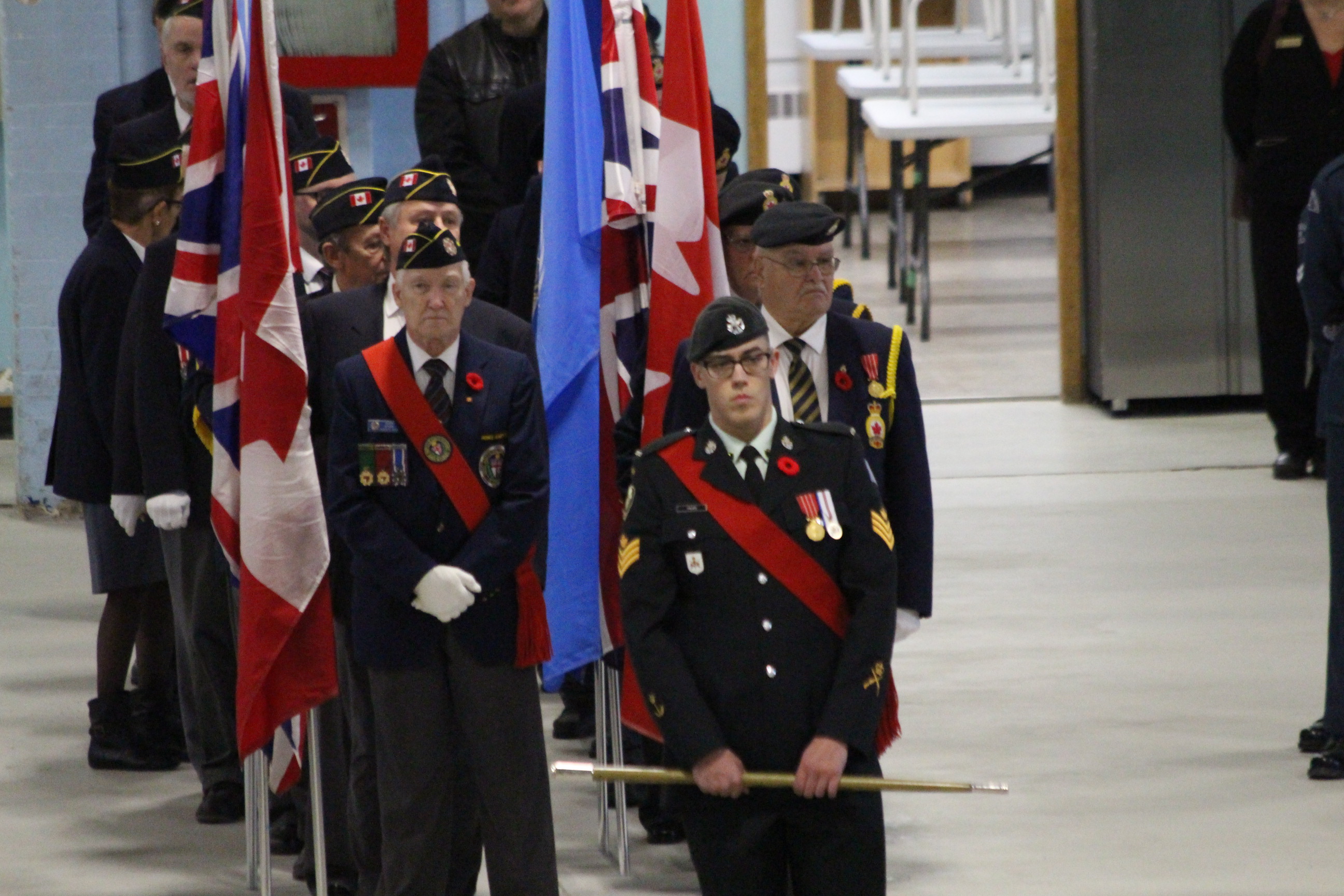
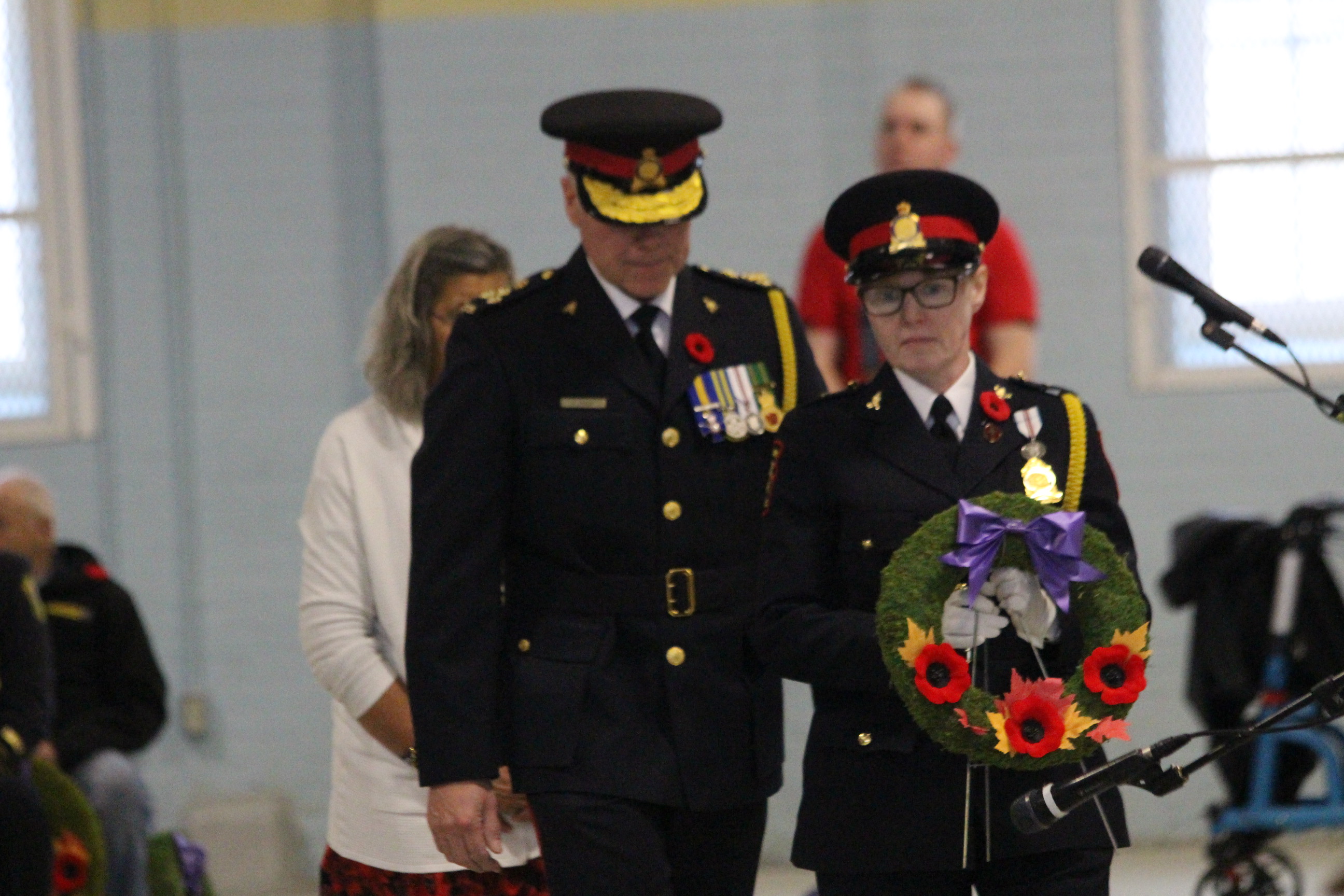
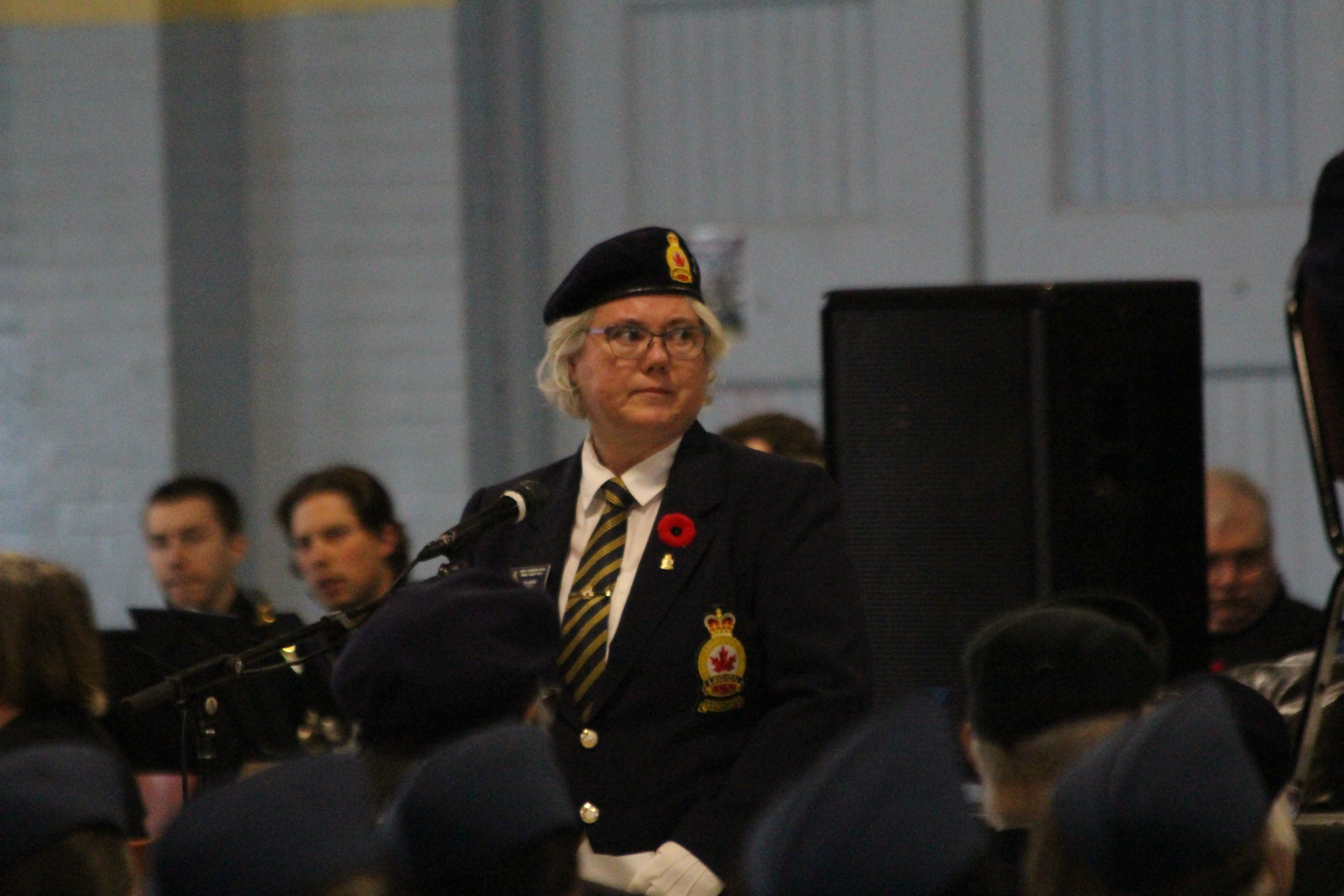
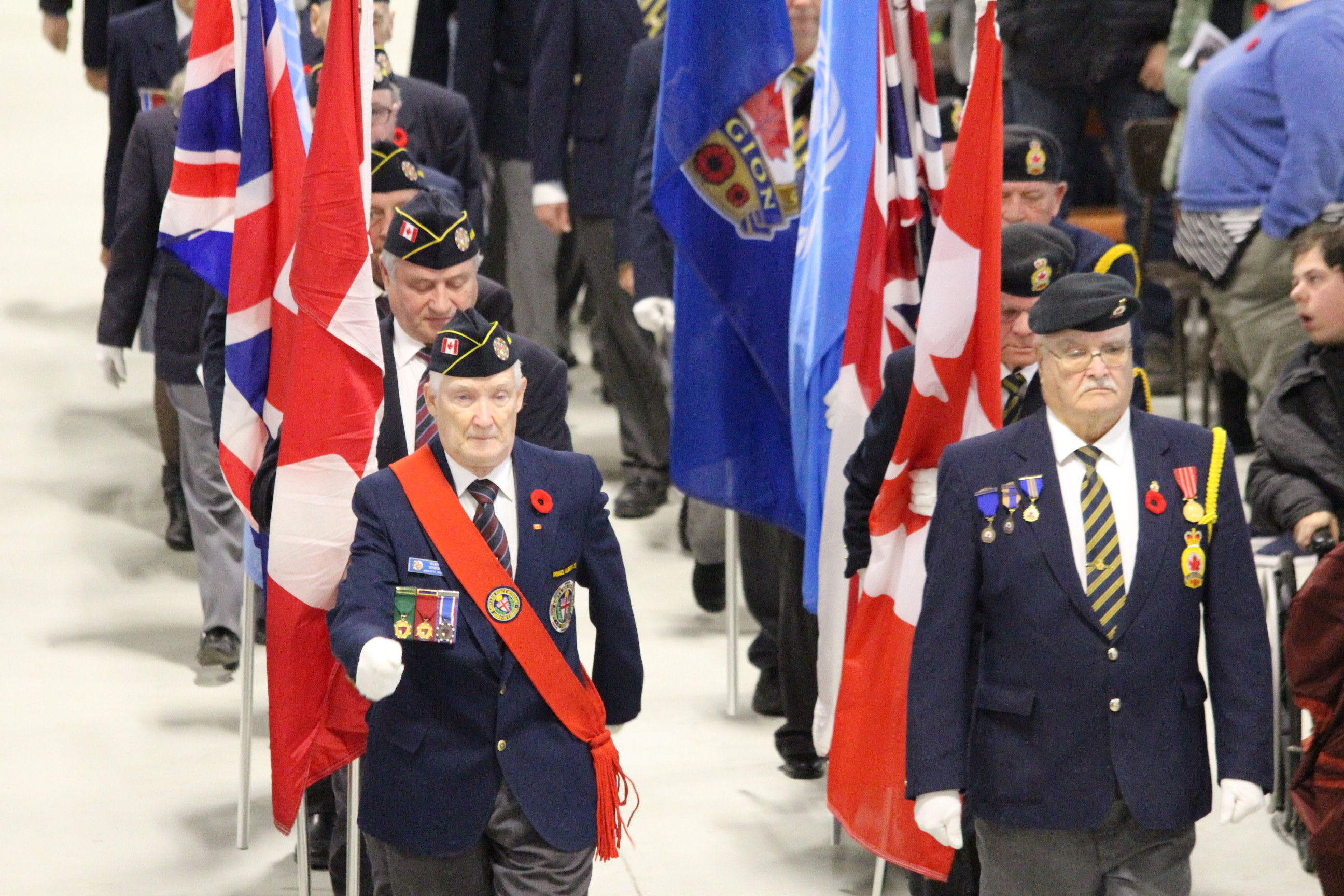
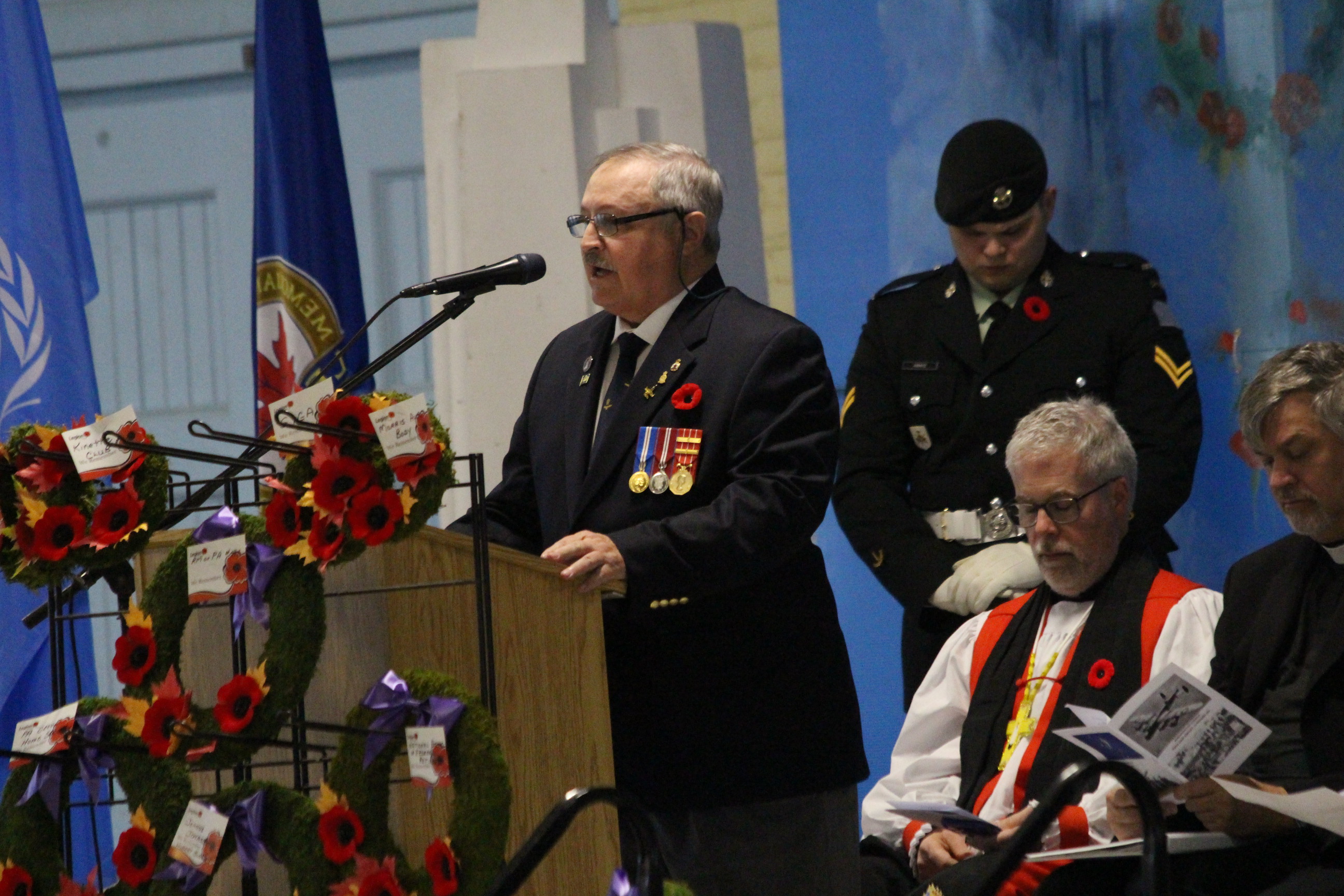
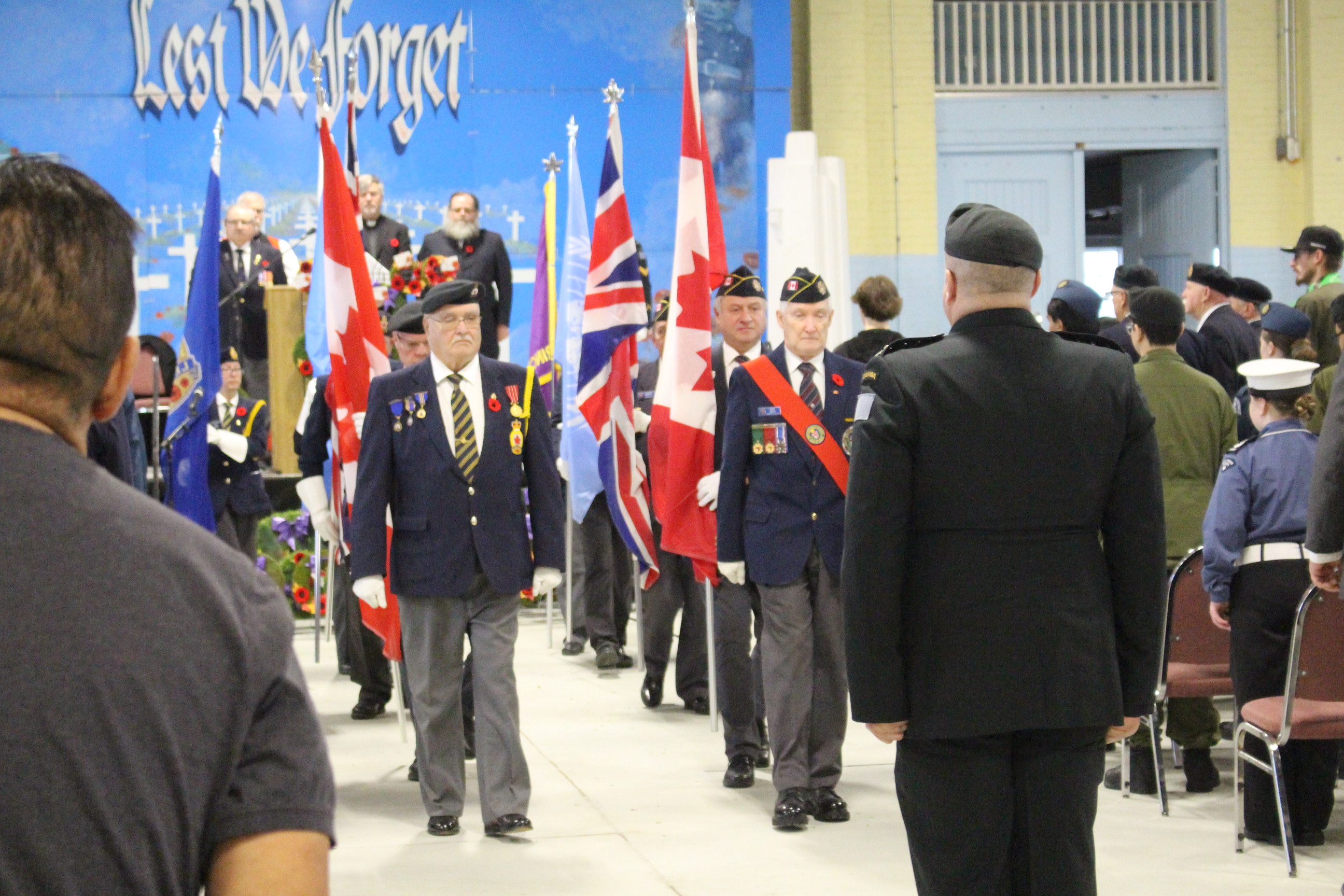
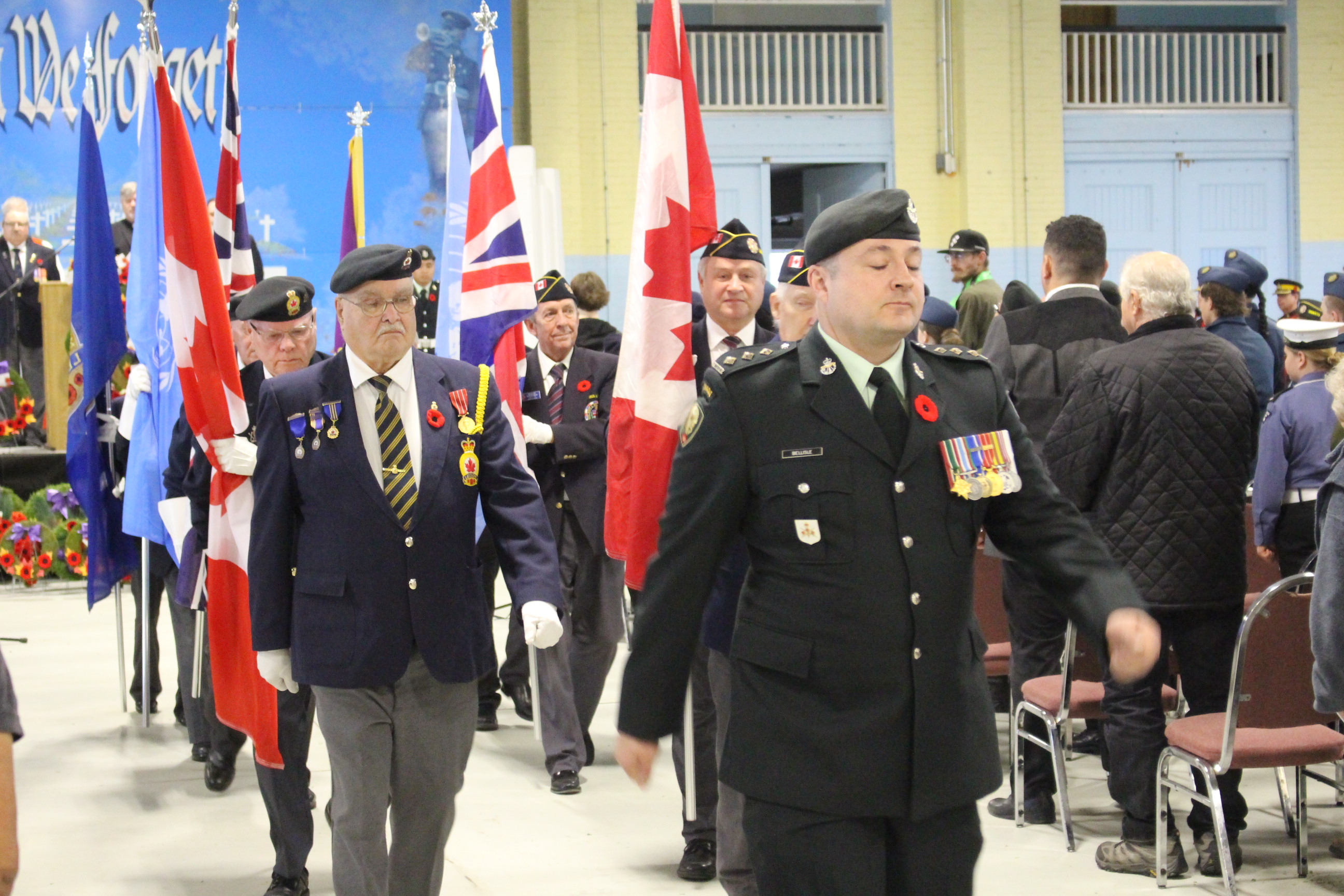
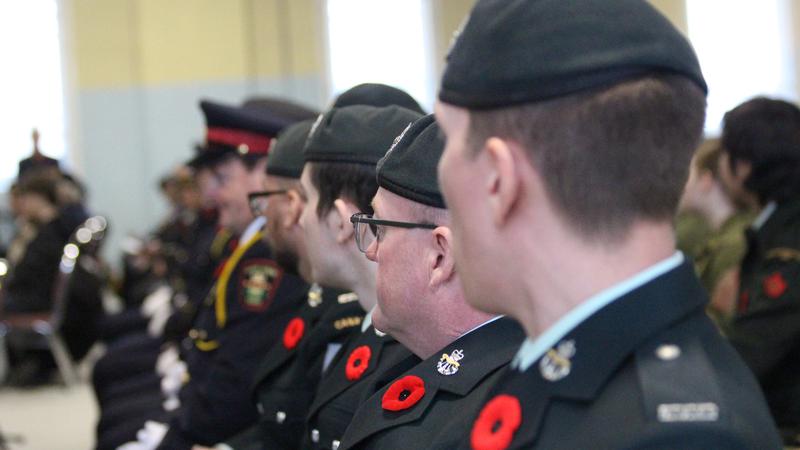
Veterans look on during the beginning of the 2024 Remembrance Day service at the Prince Albert Armoury. (Nick Nielsen/paNow)
Annual Service

Photo gallery from Prince Albert’s Remembrance Day Ceremony

Nov 11, 2024 | 5:04 PM

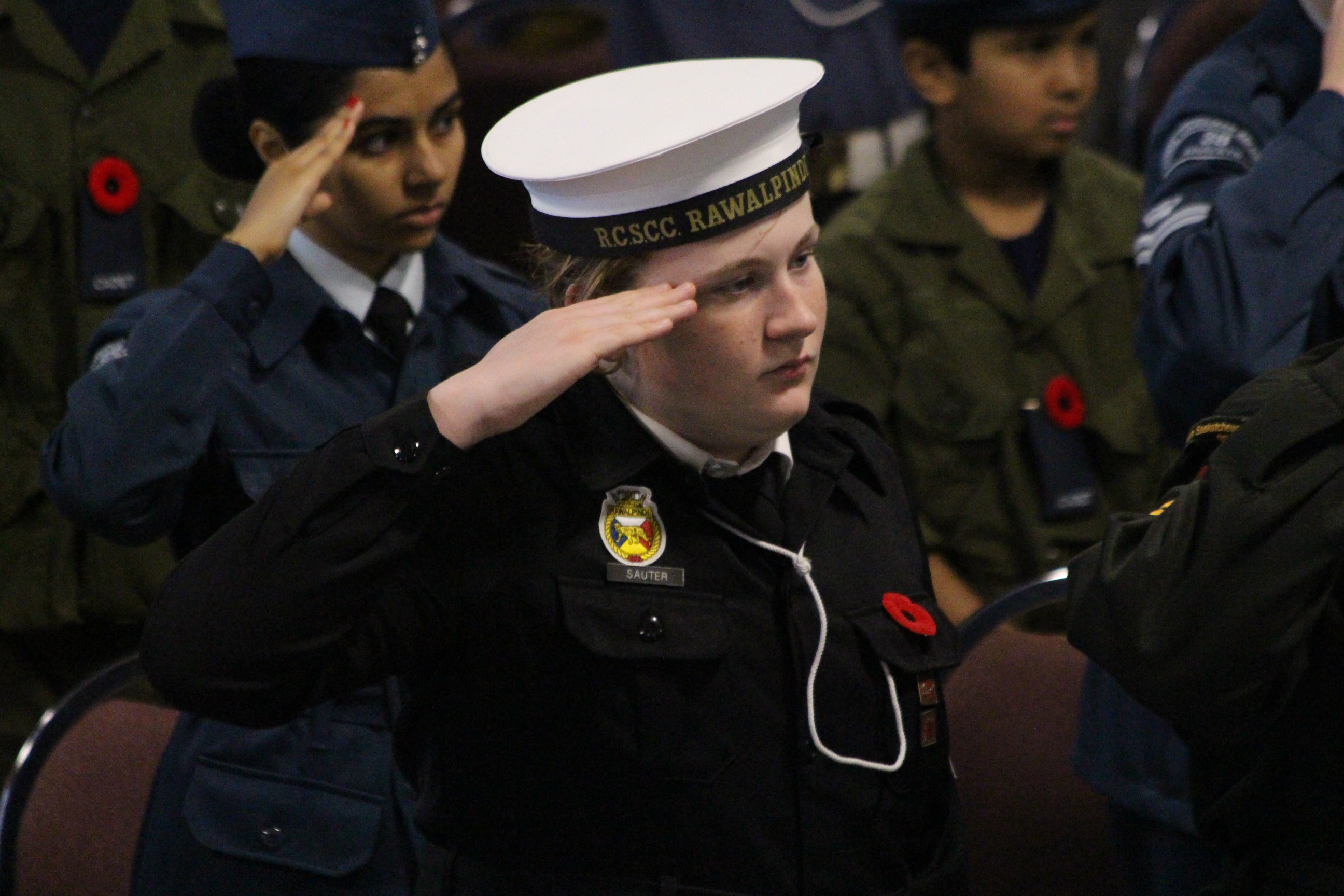
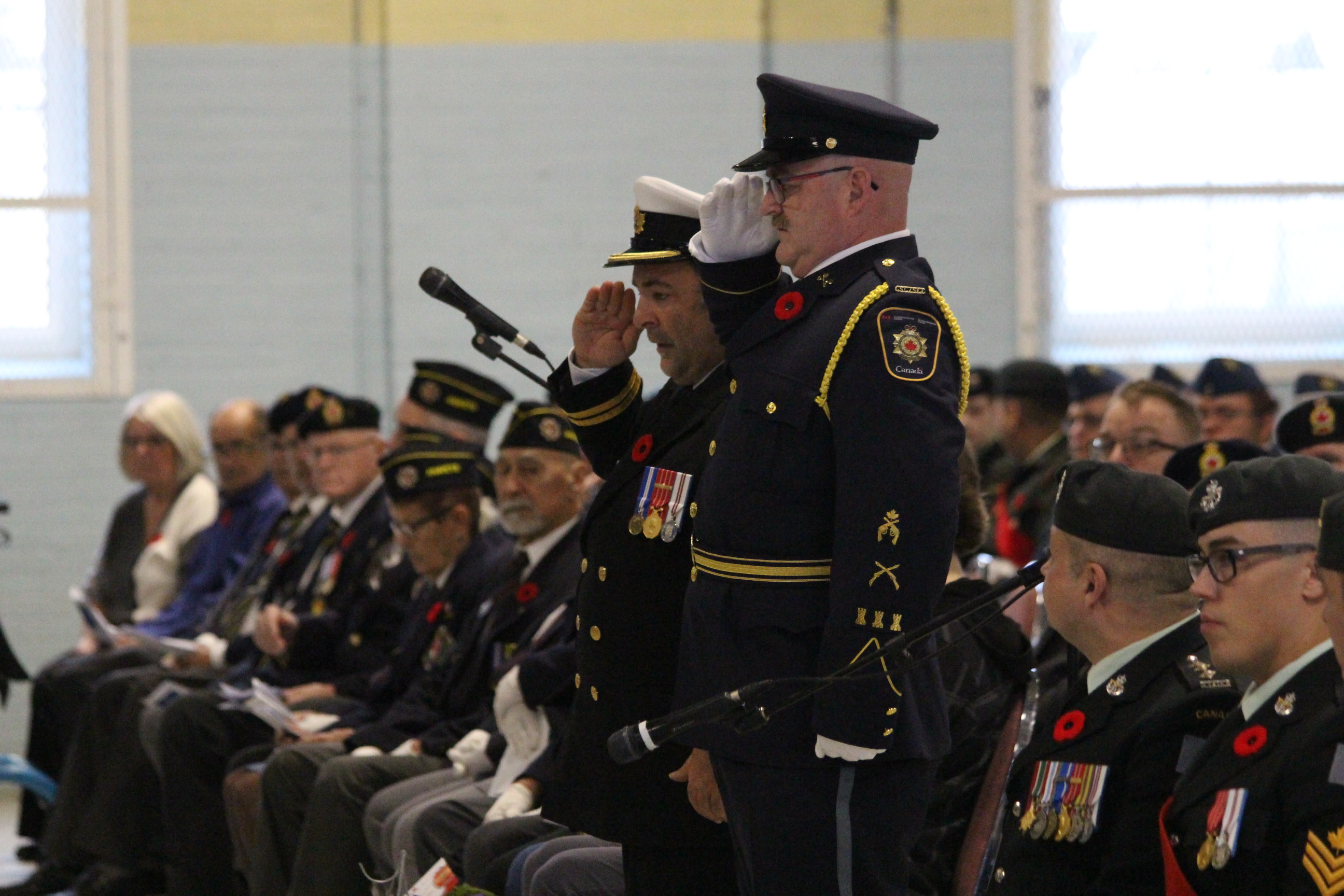
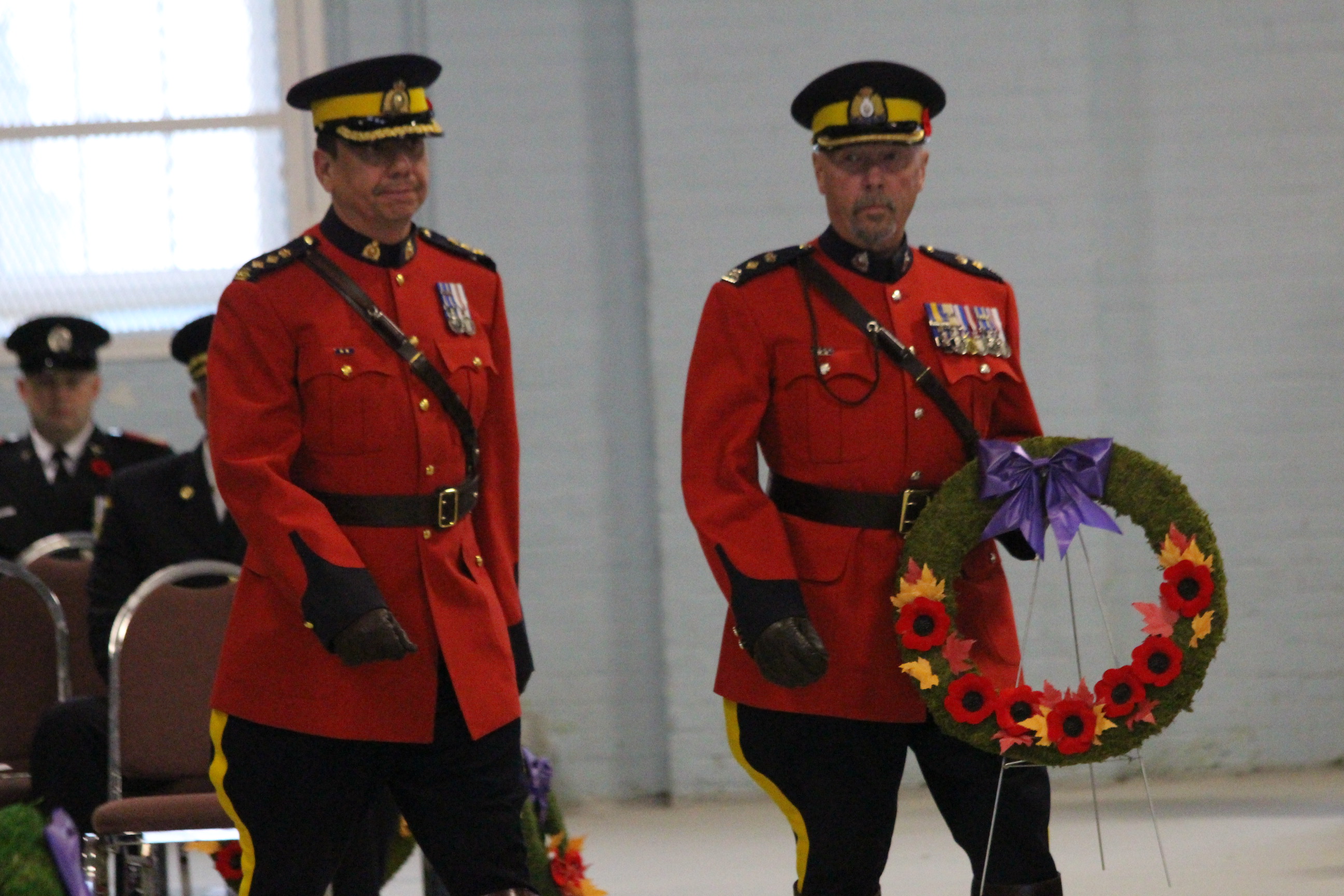
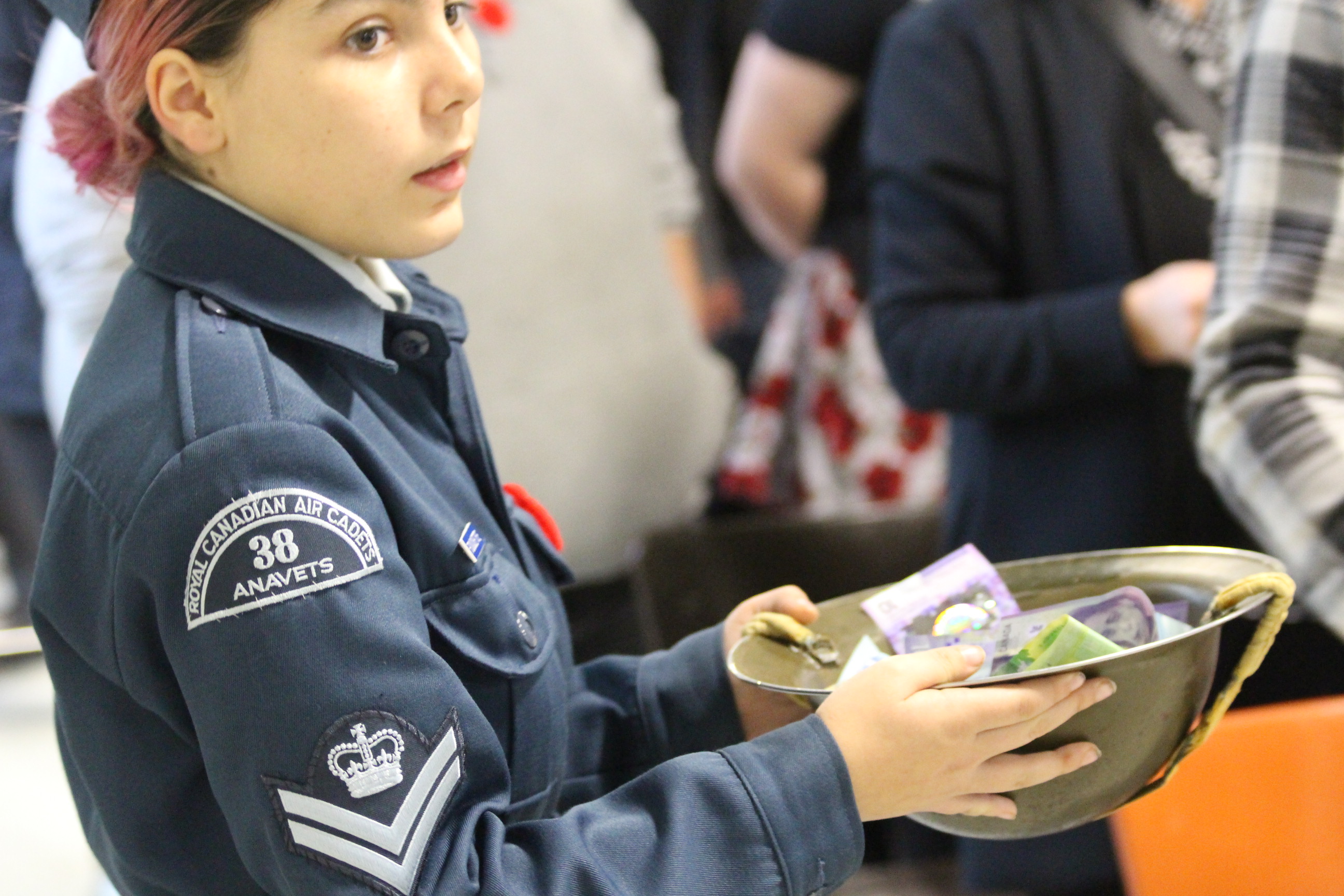
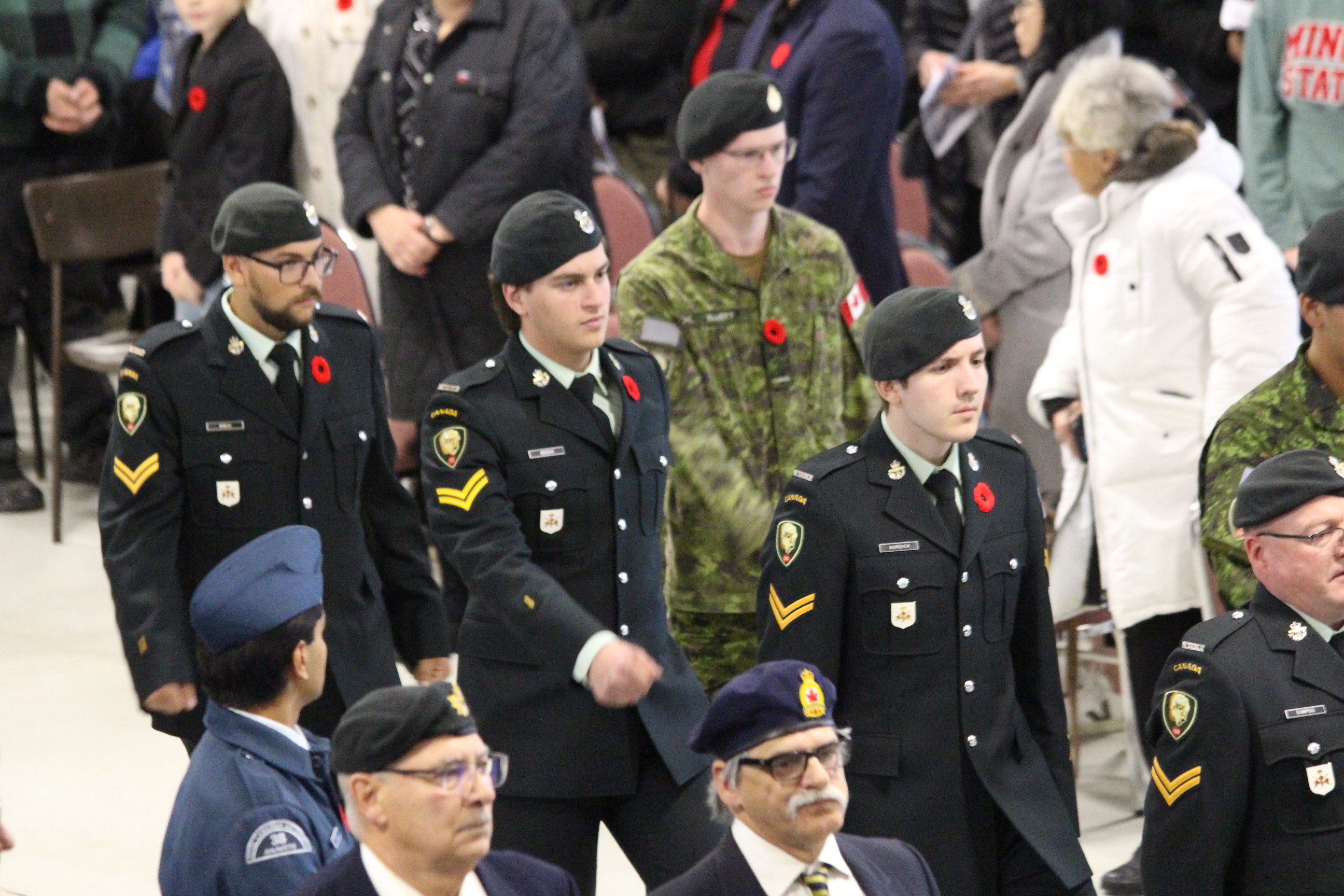
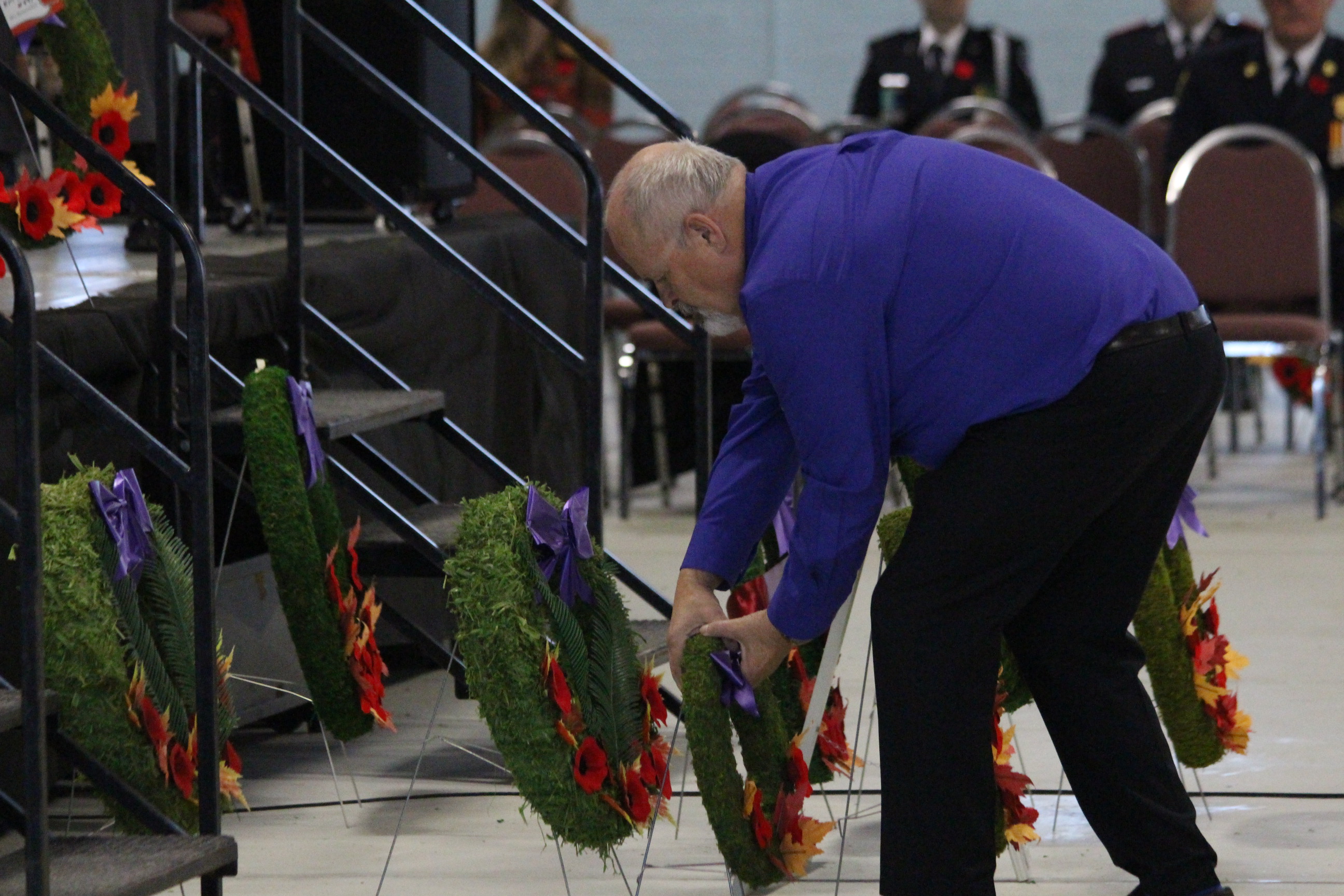
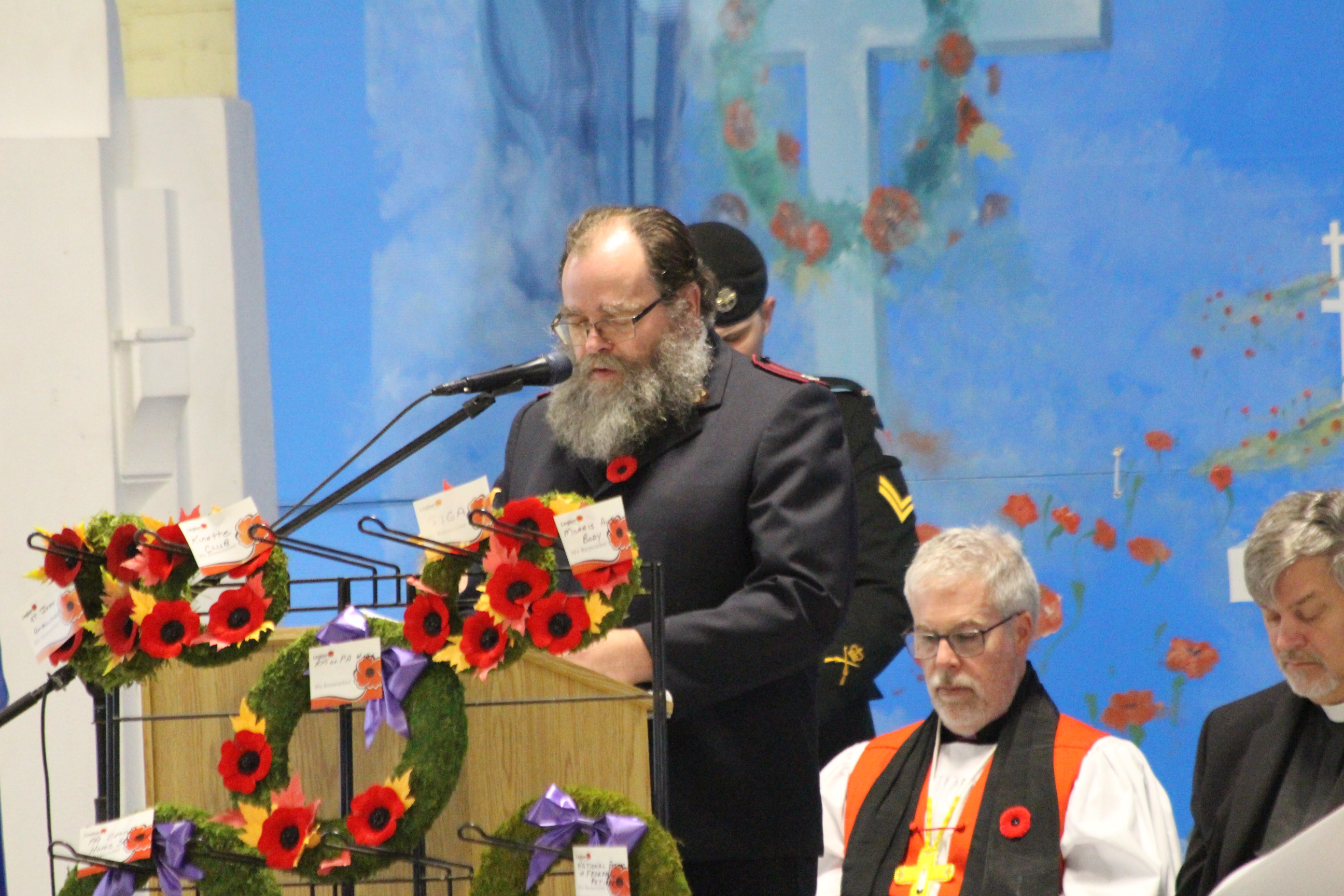
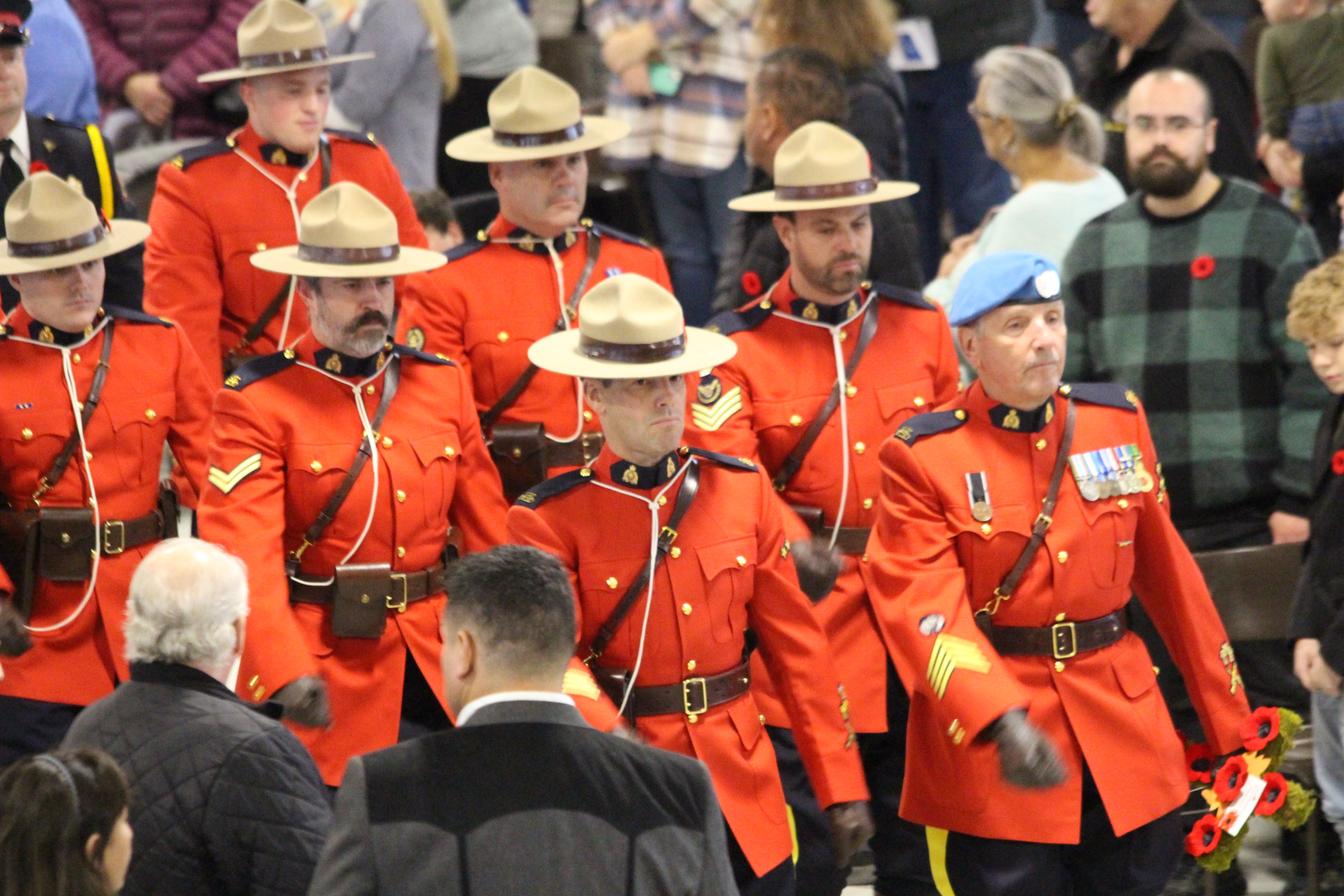
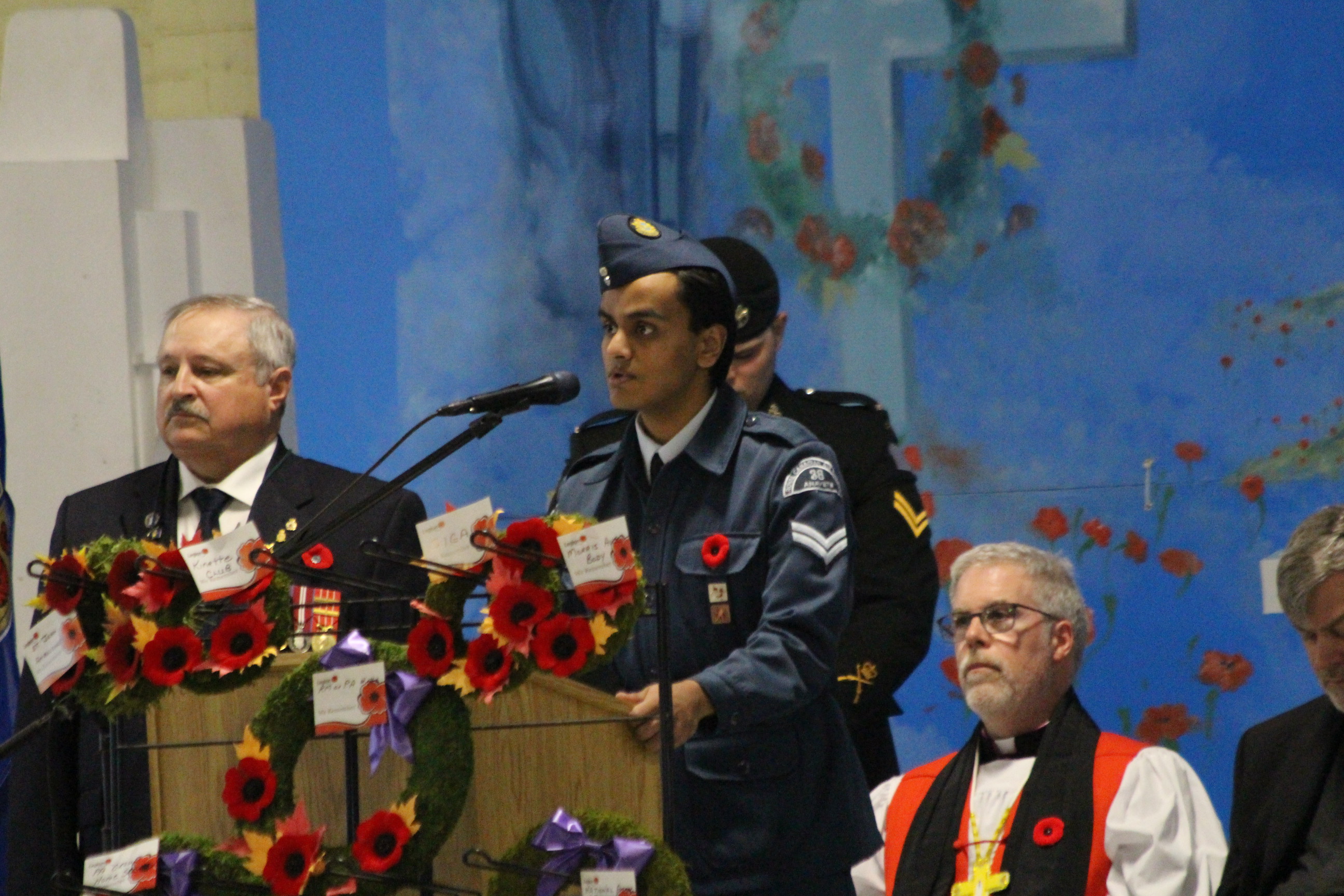
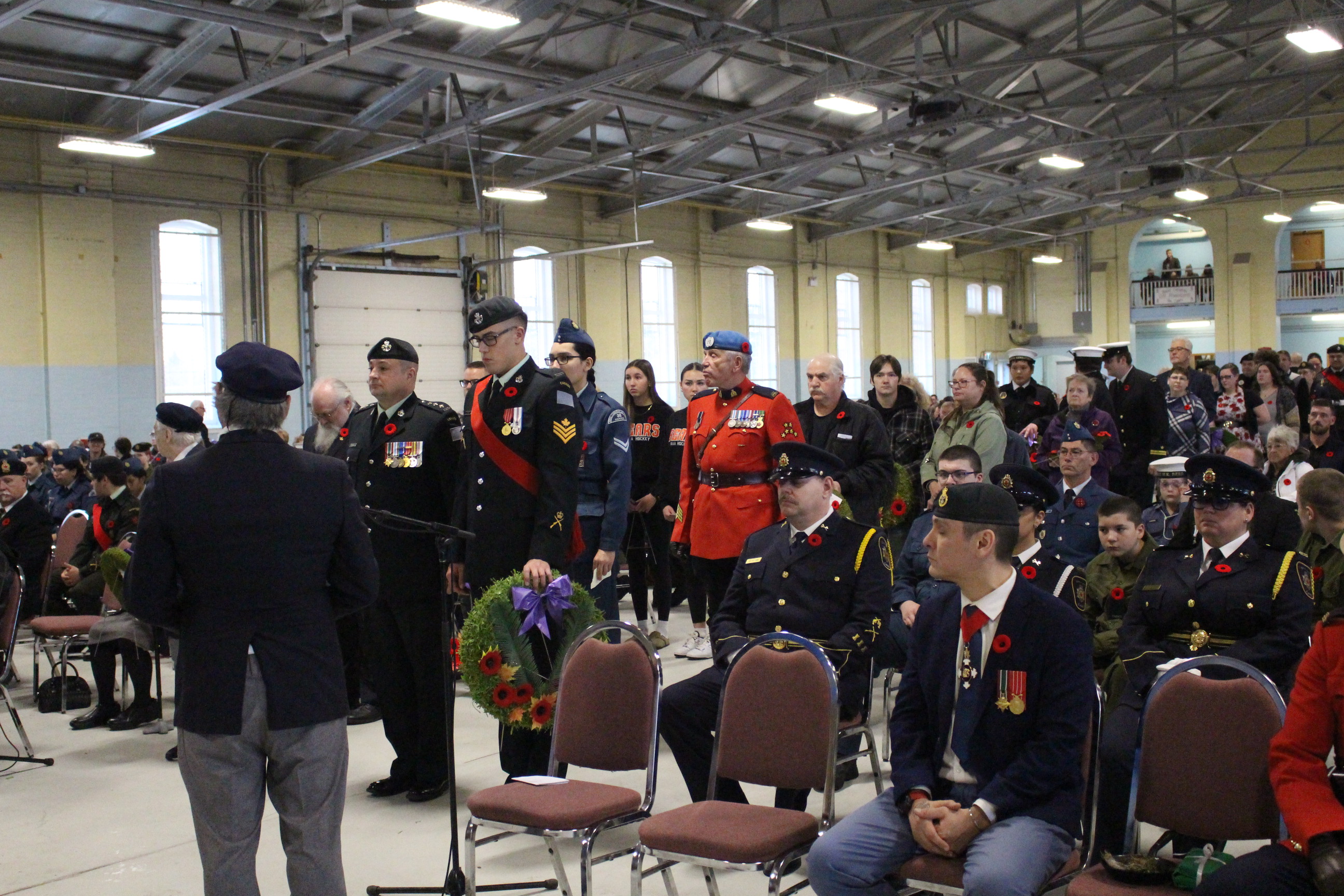
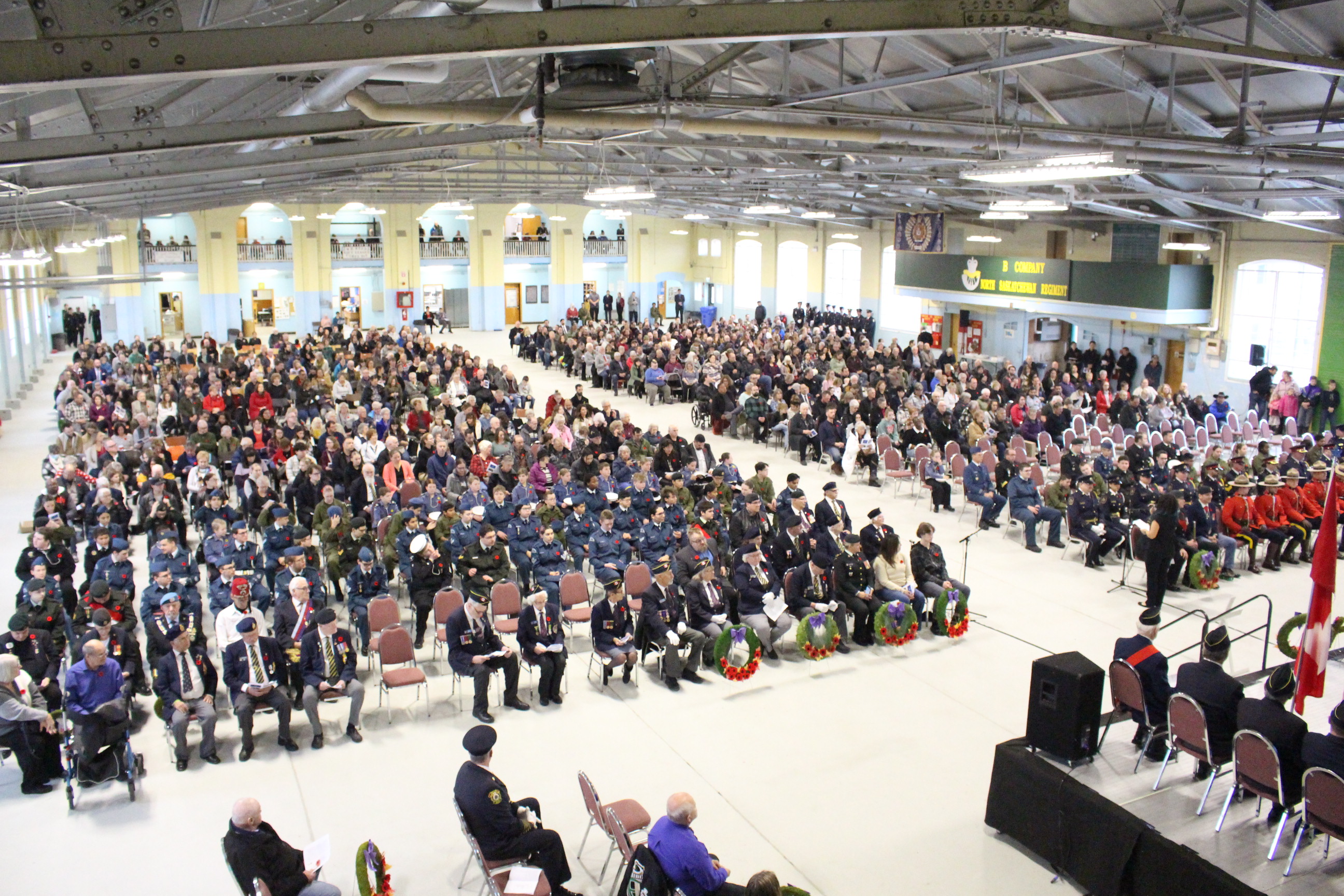
The Prince Albert Armoury was a full house during this year’s annual Remembrance Day Service. The year 2024 marks two major milestones when it comes to Canada’s military history surrounding the Royal Canadian Air Force and D-Day.

The Royal Canadian Air Force (RCAF) was first established on April 1, 1924, marking 100 years this year. Originally formed in 1920 as the successor to the two squadron Canadian Air Force used in the First World War, the newly formed Canadian Air Force would gain the ‘Royal’ title in 1924.

The RCAF was used in mostly civil matters such as forestry surveying, but by the 1930s they were starting to evolved into a military organization. During the Second World War, over 8,000 American pilots were trained by the RCAF as the Air Force grew to the fourth largest Allied air force in the world.

After the war, funding was cut to the RCAF, but they still stayed active through the Cold War with bases in France and West Germany, and while the RCAF did not engage in combat during the Korean War, they did transports troops and supplies.

In 1968, the Royal Canadian Air Force amalgamated with the Royal Canadian Navy and the Canadian Army to form the Canadian Forces.

This year is also the 80th anniversary of the Normandy Landings, more commonly known as D-Day, that saw Canada and regiments from the U.S. and U.K. storm the beaches of Normandy during the Second World War.

Shortly after midnight on June 6, 1944, Operation Tonga began with 24,000 Canadian, British, and American airborne troops land on the beaches of Normandy. While many know of Canadian’s involvement in the storming of the beaches, Operation Tonga was crucial to the preperation of the D-Day attack.

Operation Tonga saw Canadian and British paratroopers drop to capture two important bridges over the Caen Canal and the Orne River, which run side by side to each other coming in from France’s northern coast, which would be used later to help Allied Forces ground units to advance on the seaborne landings.

As part of Operation Tonga, 600 men were also tasked with an assault on the Merville Gun Battery, which was believed to have heavy artillery forces that could bombard Sword Beach. Only 160 men arrive at the rendezvous point, and with time ticking down before American boats landed at Sword, Beach, Lieutenant Colonel Terence Otway of the 9th Battalion decided to proceed. Only 85 men of the 9th Battalion survived the battle, but the artillery was disabled and the last of the D-Day preparations was completed in time for the Allied Forces attack.

Canadian and British soldiers stormed three beaches with codenames revolving around a fish them Gold, Sword, and originally ‘Jelly’, while Americans stormed Utah and Omaha named after American states. British Prime Minister Winston Churchill disapproved of the codename ‘Jelly’ as it didn’t sound appropriate for a place where men would die, and Wing Commander Michael Dawnay made the suggestion of ‘Juno’ after his wife.

Estimates for casualties at the three beaches Canadians fought at are over 1000 at Gold, 961 at Juno, and another estimated 1,000 at Sword.

(Nick Nielsen/paNow)