Click here to sign up for our free daily newsletter.
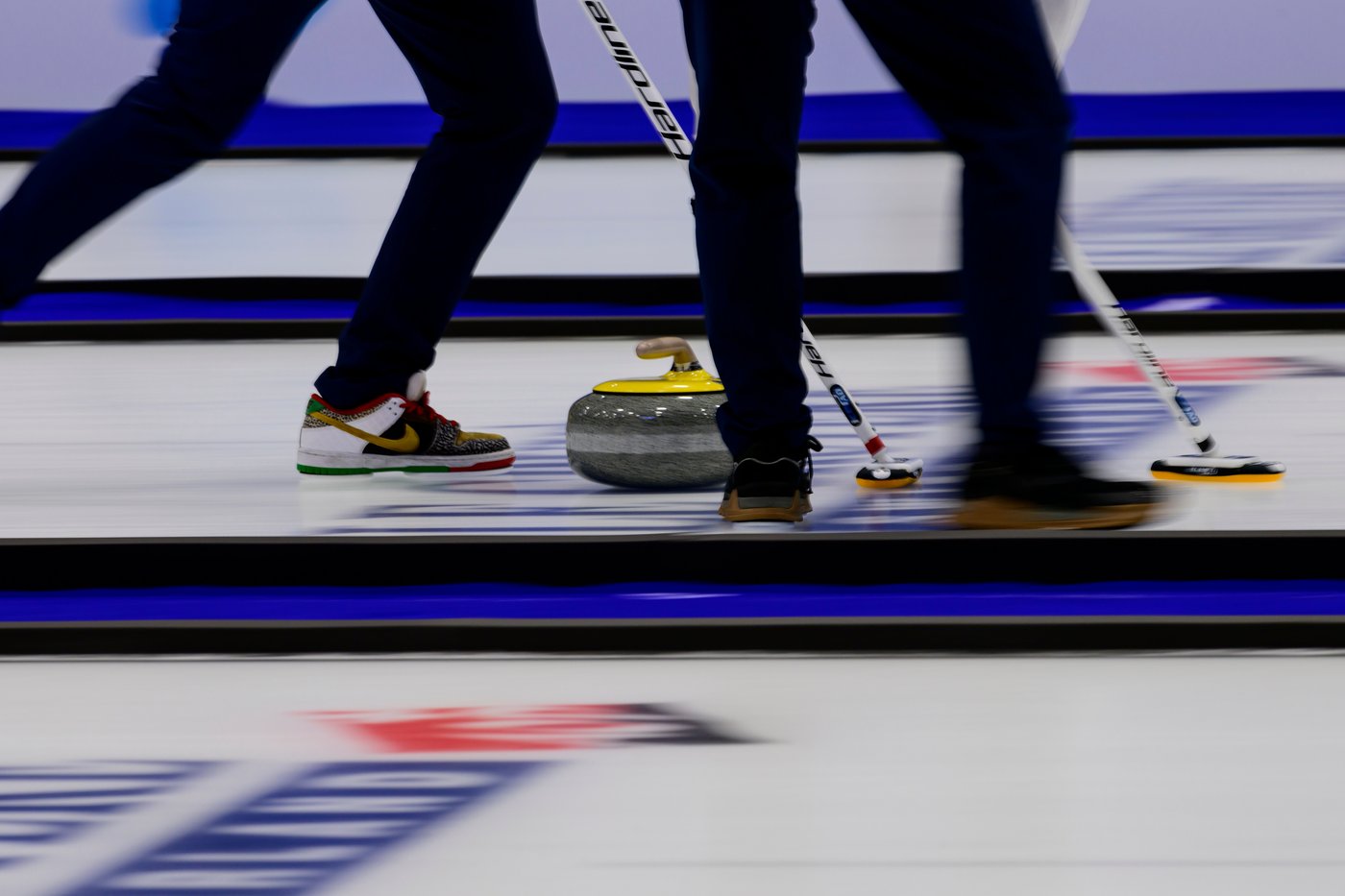
A general view of the curling stone before the Bronze Medal match between the United States and Scotland at the curling world championships, Saturday, April 4, 2026, in Ogden, Utah. (AP Photo/Tyler Tate)

The Curling Group moves Rock League event in Halifax to Red Deer, trims playoff dates

Sep 17, 2026 | 12:25 PM

TORONTO — The Curling Group restructured its Rock League schedule for the second straight season on Thursday.

A Halifax event originally scheduled for Jan. 14-17 will now be played April 8-11 in Red Deer, Alta. Plans for an 11-day playoff were downsized to four days (April 15-18) with Kalamazoo, Mich., named the event host.

Previously scheduled competitions in Moose Jaw, Sask. (Jan. 7-10), Utica, N.Y. (Jan. 28-31), and Ottawa (Feb. 4-7) remained on the calendar.

“The Rock League Season 2 schedule has been adjusted from its previously announced dates to better support our athletes’ commitments throughout the curling season and ensure a more sustainable calendar,” The Curling Group said in a statement. “As a result, the previously announced Halifax event, scheduled for January 2027, will no longer take place.”

The Season 2 schedule was first announced last December. The Curling Group originally planned to announce the changes on Wednesday, but pushed it back a day due to a partner request.

The professional mixed-gender curling league made its debut last spring.

The Curling Group initially planned a six-week campaign for Season 1 with domestic and international stops. Those plans were changed last fall and organizers eventually settled on a weeklong competition in Toronto.

The Halifax event was originally tabbed for the 10,500-seat Scotiabank Centre, an ambitious venue for a league that did not draw well in its inaugural season. The rink served as host of the Montana’s Canadian Curling Trials last fall.

The Servus Arena in Red Deer is considerably smaller with a capacity of about 1,360.

The other rinks are medium-sized venues. Moose Jaw’s Temple Gardens Centre has a capacity of about 4,400, Utica’s NBT Bank Arena is about 4,000, Ottawa’s TD Place Arena is about 9,000 and Kalamazoo’s Wings Event Center is about 5,100.

Rock League’s debut came with a number of challenges. Several high-profile Canadian curlers – including reigning Montana’s Brier skip Matt Dunstone – pulled out on the eve of competition.

Significant production issues hampered the broadcasts over the first few days and the box office was quiet.

Few spectators took in the action at the 2,500-seat Mattamy Athletic Centre before things picked up a bit for the final weekend. The Curling Group declined to provide attendance figures.

Many top domestic and international curlers were on board last season, joining different teammates on six newly created franchises. Organizers changed some rules and made scoring tweaks to the traditional game.

A full Rock League schedule has resulted in a compact Grand Slam of Curling season that starts next month. That circuit’s five-event calendar will kick off Oct. 13 in Victoria and will wrap up about two months later.

Despite the Rock League schedule changes, some curlers may still have to deal with conflicts. Some provincial and national championships are scheduled to be played at the same time as Rock League events.

The U.S. national championships (Jan. 24-30), for example, are in direct conflict with Rock League’s U.S. debut in Utica, which ends on the same day the Japanese national championships begin.

Rock League’s season opener also ends the day before the Alberta championships and Ontario playdowns begin. Provincial championships serve as qualifiers for the Brier (men) and the Scotties Tournament of Hearts (women).

Canada’s Brad Jacobs captained the Shield Curling Club to victory in Rock League’s Season 1 championship. Finalized Season 2 player rosters have not been released.

This report by The Canadian Press was first published Sept. 17, 2026.

Gregory Strong, The Canadian Press