Click here to sign up for our free daily newsletter.
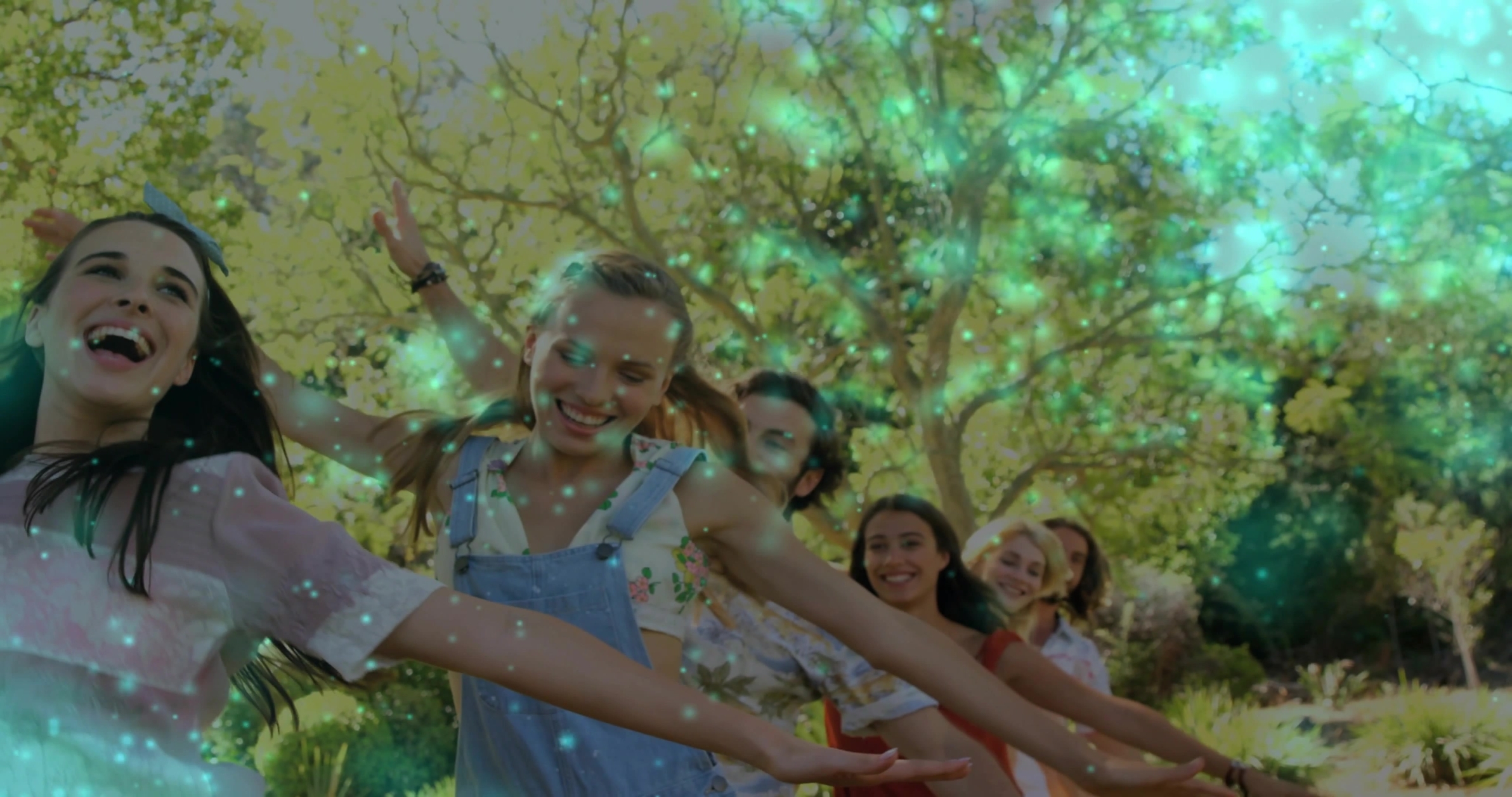
How Whimsy Maxxing Boosts Joy and Beats Burnout Everyday (Image Credit: 453544704 | Of © Wave Break Media Ltd | Dreamstime.com)
Jennifer McGregor

How Whimsy Maxxing Boosts Joy and Beats Burnout Everyday

Sep 16, 2026 | 12:52 PM

The views and opinions expressed in this editorial are those of the writer’s and do not necessarily reflect the views or positions of Pattison Media.

For busy parents juggling work and wellness, caregivers running on fumes, and early-career professionals glued to notifications, burnout recovery can feel stuck even after the “right” habits are in place.

That’s where whimsy maxxing comes in: a small, intentional dose of playfulness in adults that nudges the brain toward dopamine activation and gives mental well-being a little breathing room. When the nervous system is tired of being “productive,” gentle silliness can make hard days feel more workable without demanding more discipline. Over time, those tiny sparks can reinforce psychological resilience.

Why Whimsy Helps Your Brain Recover

Whimsy maxxing is the practice of deliberately making room for small moments of imagination and lightness, even when you are stretched thin. It works because playful attention can cue safety, helping your nervous system downshift out of constant alert mode. Those tiny bursts of “this is fun” also tap your brain’s reward chemistry, where dopamine is a neurotransmitter tied to motivation and mood.

Why it matters is simple: when stress feels nonstop, your brain starts treating everything like a threat or a task. Whimsy gives you a quick reset that makes hard moments feel less personal, and more manageable. Picture answering one more email, but you rename the subject line like a silly movie title and narrate it in your head. Nothing changed, but your body softens and you can keep going. That same playful spark can be turned into a tiny animated moment in minutes.

Turn Inside Jokes into Tiny Animated Mini-Cartoons

Once your brain is back in “play mode,” it helps to give that spark a quick, visible form you can actually share. One delightfully low-stakes way to do that is using AI animation to turn everyday ideas, random dreams, or an ongoing inside joke into a tiny mini-cartoon. An AI animation generator can take a simple text prompt, a rough sketch, or an image and quickly transform it into a dynamic 2D or 3D animation, no advanced design skills required. That ease matters: when the barrier is low, you’re more likely to follow a silly thought to its finish line, and that follow-through can add a pop of creativity and childlike wonder to an otherwise ordinary day. If you’re curious about the idea, tools like the AI animation creator by Adobe Firefly make it simple to bring imaginative moments to life as short animated videos.

Everyday Whimsy Rituals That Stick

Whimsy works best when it’s repeatable, not rare. These quick habits give your brain regular “permission slips” for lightness, so joy feels accessible even on busy weeks.

Pocket Surprise Prompt

* What it is: Write one silly prompt on a note and keep it in your pocket.

* How often: Daily

* Why it helps: It interrupts autopilot and cues a quick mood reset.

Six-Count Slow Breaths * What it is: Practice slow breathing for one minute with a long exhale.

* How often: Daily

* Why it helps: It supports calm by nudging your stress response downward.

The Two-Minute Doodle Drop

* What it is: Make a tiny doodle, then stick it somewhere you’ll see.

* How often: Daily

* Why it helps: Visible play builds momentum for creative habit formation.

Weekly Play Date With Yourself

* What it is: Schedule 20 minutes of low-stakes play like puzzles, music, or crafts.

How often: Weekly Why it helps: Adults who regularly engage in play often report lower stress.

Compliment Treasure Hunt

* What it is: Notice three small wins in your day and share one aloud.

* How often: Daily

* Why it helps: It trains your attention toward warmth and connection.

Whimsy Maxxing Questions People Actually Ask

Q: What is whimsy maxxing, really? A: Think of it as adding joy and playfulness to ordinary moments on purpose. It is not about being childish or impractical. It is about building tiny cues that remind your brain life is more than tasks.

Q: How is this “serious enough” to help with burnout? A: Burnout often shrinks your world to obligations, so playful moments can widen it again. Start with one low-effort option like a two-minute doodle, a goofy ringtone, or a bright sticky note. If it makes you exhale, it is doing its job.

Q: Is there any science behind it, or is it just a trend? A: While “whimsy maxxing” is a new label, the idea of using playfulness to support mood and stress coping has real roots in psychology. Treat it like a practical skill, not a magic fix. Track how you feel after one tiny playful action each day for a week.

Q: Can whimsy maxxing turn into toxic positivity? A: It can if you use it to silence hard feelings. The point is to make room for relief, not to pretend everything is fine. Try pairing one playful act with one honest check-in like “What am I actually feeling right now?”

Q: When does “maxxing” become too much? A: The phrase can tempt people to overdo it, and mental health pros note the risk is about overdoing it. Keep it gentle and budget-friendly, and skip anything that adds pressure. A good rule is “easy, optional, and repeatable.”

Choose One Whimsy Maxxing Habit for More Joyful Living

Burnout has a sneaky way of draining color from everyday life, even when everything looks “fine” on paper. Embracing whimsy maxxing is a simple mindset shift: treat play and curiosity as valid, mindful care, not a reward you have to earn. Over time, that mindful play integration supports positive mental health outcomes like steadier mood, easier recovery from stress, and long-term psychological benefits that make joyful living practices feel more natural. Whimsy is a small practice that builds big resilience. Pick one whimsical move tonight and share it with someone, one tiny moment of community and playfulness that says, “we’re allowed to feel good,” because that’s how sustainable energy and connection get built.