Click here to sign up for our free daily newsletter.
Dr. Kathy Walker is the Treaty Commissioner of Saskatchewan. (Image Credit: Submitted photo/Dr. Kathy Walker)
Treaty as a living agreement

Treaty 6 obligations historically ignored, but hope remains

Aug 14, 2026 | 7:59 AM

With the 150-year anniversary of the signing of Treaty 6 only a week away, many Canadians still have a poor understanding of what that nation-to-nation agreement actually means, according to the Treat Commissioner of Saskatchewan.

Dr. Kathy Walker explained, “The understanding was an ongoing relationship that would endure forever – as long as the sun shines, the grass grows and the rivers flow – that this relationship would be the framework for guiding a good relationship amongst people who live on these lands together.”

“The relationship that was set out and agreed to as part of treaty making is very much an ongoing and living relationship that is informed by key First Nations doctrines. There’s also this understanding that treaty also pertains to our relationship with all of creation. Our Elders also refer to treaty as sacred covenant. Because treaty was made with the pipe, it’s also a relationship that is with the Creator. It’s a sacred relationship, so it really is about renewing and strengthening all those different aspects on how to relate with one another, with ourselves, the creator and all of creation.” 

Treaty 6 was one of many treaties that were signed between the Crown and First Nations in Canada. Walker noted, however, while the relationship was intended to be on an equal footing, that’s not how it transpired. For instance, the Indian Act was passed in 1876, the same year as the signing of Treaty 6, which had devastating consequences for First Nations people.  

“We had the Indian Act for 150 years now as well,” Walker explained.  

“Under that, rather than having a relationship between nations, where they were equals and there was equal respect and shared decision-making and areas of jurisdiction for First Nations and areas of shared jurisdiction, the Indian Act was really more about domination by the Crown. It was more about the Crown dominating First Nations, and the Indian Act was very paternalistic, and the Indian agents on all the reserve lands oversaw all the decisions that were made.”  

Part of the treaty was an understanding that the First Nations way of life was supposed to continue and flourish. That included languages, ceremonies and ways of living such as hunting and fishing, along with tools to adapt to a changing society. Instead, First Nations were faced with genocidal policies aimed at eliminating who they were. 

“We’re still living with that legacy. There’s still a lot of people living today who survived that violent assault,” Walker said, while noting there has been positive developments in recent years. 

“I would call attention to things like Sturgeon Lake’s birthing centre, which is a beautiful centre that’s based on traditional parenting and practices and protocols around birthing and welcoming a new baby into the nation that involves grandparents. There’s some really great things happening that I think are making a huge difference today and will make even a bigger impact into the future.” 

Former Chief Roy Petit of Beardy’s and Okemasis’ Cree Nation is also hopeful the next 150 years of Treaty 6 will be better for First Nations. Before he was elected to leadership, he didn’t really know what the treaty entailed. 

“When you come to understand it, and what the true intention was in the beginning… was to share this land with the new forming Government of Canada,” he said. 

“As people evolve an understanding of what the treaty is, it’s not just a piece of paper because there is some people in our own nation who say it is just a piece of paper and that it was 150 years ago and it really doesn’t mean anything anymore. It’s very scary to hear your own people saying that because it’s not just a piece of paper, it’s how we are to relate to each other, it’s how we’re supposed to share our land and all of that, and if we turn away from that, I’m afraid for my children and grandchildren what’s going to be in store for them if this was ripped up and thrown away.” 

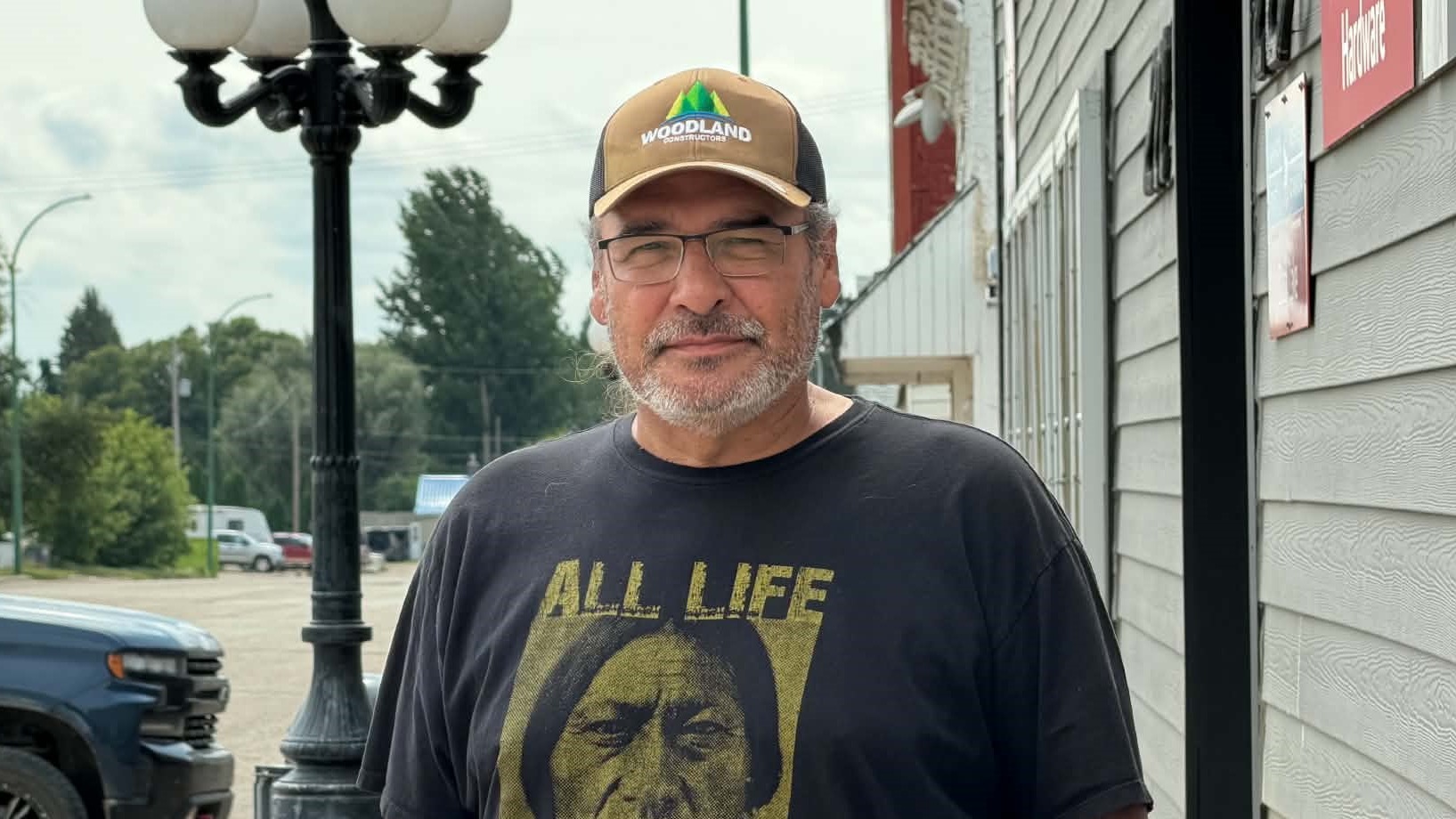
Roy Petit was the chief of Beardy's and Okemasis' Cree Nation from 2017-2020.
Roy Petit was the chief of Beardy’s and Okemasis’ Cree Nation from 2017-2020. (Image Credit: Derek Cornet/larongeNOW Staff)

Petit mentioned there’s also a misunderstanding between Canadians and what their treaty obligations are. He said many people believe First Nations are after more than what they’re entitled to when that is not the case. Petit added First Nations are simply pursuing what was promised to them and that the terms of treaty are upheld.  

Moving into the future, Petit is hopeful the government and society stops talking about what needs to be done and actually does it.  

“When Treaty was signed, it was a shared responsibility. It wasn’t just the First Nations; the people and settlers of Canada were also part of that – agreeing to share the land,” he said. 

“I’m hoping our kids will have a different experience with it [and] it will be taught properly to our future generations. It will be talked about and promoted, something different than what is it today and how it has been for the past 150 years.” 

The Treaty 6 150 Celebration runs Aug. 20-23 at Fort Carlton.

derek.cornet@pattisonmedia.com