Click here to sign up for our free daily newsletter.
(Image Credit: ID 31343379 © Vladek | Dreamstime.com)
Crime and courts

Federal minister satisfied bail reforms will help protect public safety and not infringe on charter rights

Jun 18, 2026 | 1:25 PM

Acknowledging there is still a lot more work to do on mental health and addictions, affordable housing and programs for at-risk youth, Canada’s attorney general and justice minister says legislation that makes sweeping changes to bail and sentencing is a major step in the right direction. 

Sean Fraser is commenting on Bill C-14, which received royal assent Monday, and going forward will make it more difficult for someone to get bail for a variety of crimes, including some vehicle thefts, extortion and human trafficking offences by imposing a reverse onus on bail. 

That shifts burden of proof from the prosecutor to the accused, meaning the accused would have to justify being granted bail. 

The legislation also allows for consecutive sentences for repeat violent offences such as vehicle theft, break and enter, extortion and arson. The Liberal government has been criticized for being light on crime, but Fraser said adoption of the act represents a significant move to strengthen Canada’s criminal laws. 

“More than 80 different measures are focused on making it harder for violent repeat offenders to obtain bail and resulting in harsher sentences for not only violent repeat offenders, but those who attack first responders or damage our essential infrastructure,” he said. 

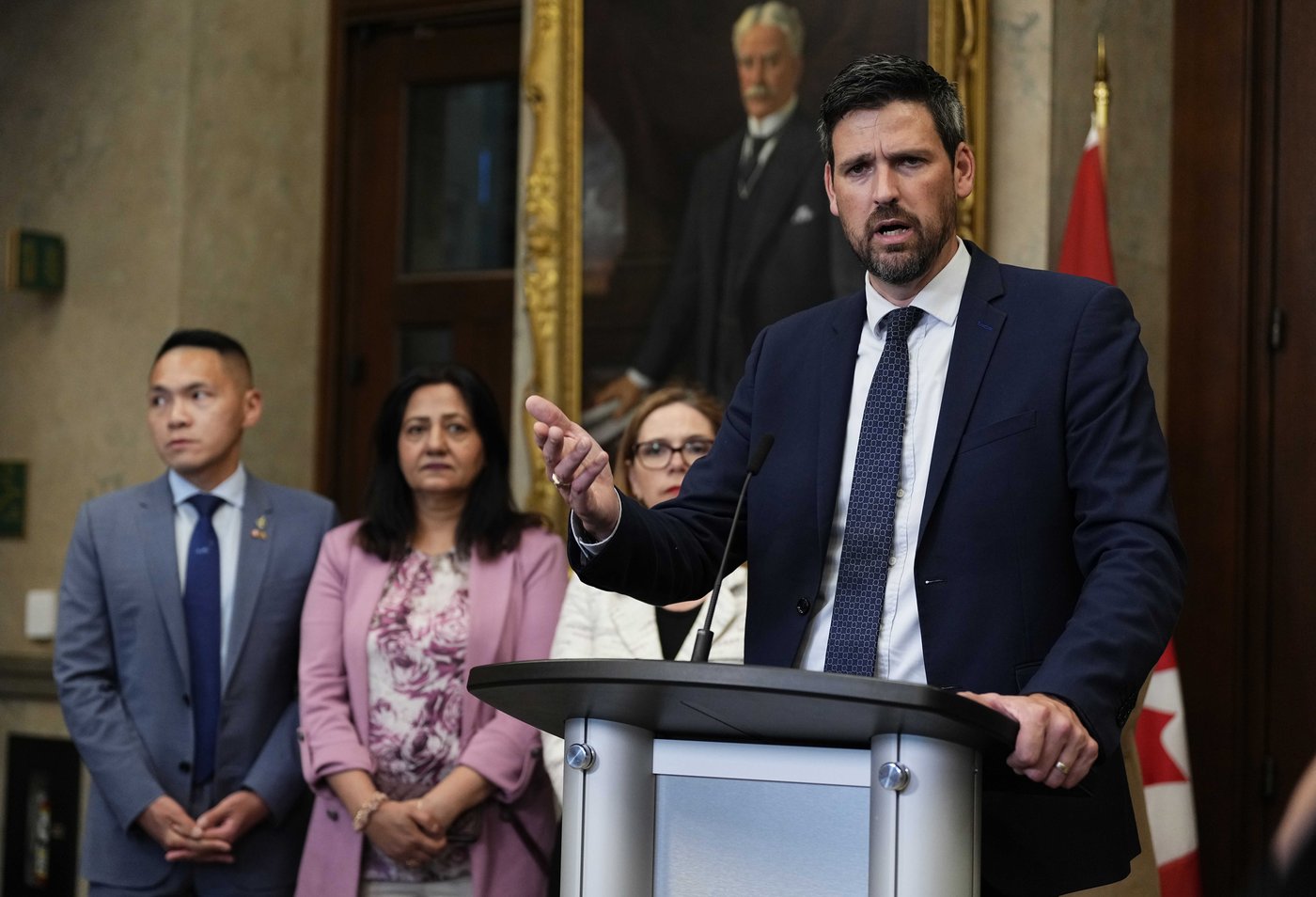
Minister of Justice Sean Fraser speaks during a news conference after C-14, the Bail and Sentencing Reform Act, received royal assent in the House of Commons on Tuesday, June 16, 2026.
Minister of Justice Sean Fraser speaks during a news conference after C-14, the Bail and Sentencing Reform Act, received royal assent in the House of Commons on Tuesday, June 16, 2026. (Image Credit: THE CANADIAN PRESS/Justin Tang)

Fraser said what gives him confidence the government is on the right track is that the bill received enormous support from the Canadian Association of Chiefs of Police, the Saskatchewan Association of Chiefs of Police and all provincial governments. 

He also confirmed consultations with a range of organizations, including the Elizabeth Fry Society, lawyers — both prosecutors and defence counsel — and provincial justice ministers. 

“Anybody who has experience with the justice system because of their formal responsibility or their lived experience, we wanted to understand their perspective,” he said. 

While acknowledging a wide mix of interests and viewpoints, Fraser said the overarching theme was that people wanted strong action against high-volume offenders, people who find themselves continuously before the courts or people tied to criminal organizations. 

When the legislation was first tabled, criminal defence lawyer Brian Pfefferle raised a number of concerns, including the need for more infrastructure. He said if the government is going to put more people in jail, it has to build the jails before it builds the system that will put more people into them. 

While the federal government controls the text of the Criminal Code, provincial governments are responsible for administering the justice system in their respective jurisdictions. 

Fraser acknowledged that whenever the Criminal Code is changed, it has a downstream impact on the system. 

“The provinces that came to Ottawa asking the federal government to make these changes are very well aware of the need to invest in their systems. There are going to be areas that remain purely provincial responsibilities, but there are areas where we can help,” he said. 

He said one of the first things the federal government is doing is putting a few million dollars toward data collection on bail, so it can measure the impact of some of the changes being made. 

Another issue raised by Pfefferle was human rights. He said changes to the law could infringe on the Charter of Rights and Freedoms. 

Fraser said the government took great care in developing the legislation to ensure it was operating within the bounds of the Constitution. 

“We can’t compromise on public safety, but we have to respect constitutional rights, and we think we’ve achieved that balance,” he said. 

 nigel.maxwell@pattisonmedia.com

On X: @nigelmaxwell

— with files from The Canadian Press