Click here to sign up for our free daily newsletter.
Wild rice is loaded on a truck in bags after processing is completed. (Image Credit: Derek Cornet/larongeNOW Staff)
wild rice series

From lake to plate: La Ronge major centre for wild rice processing

Apr 22, 2026 | 2:00 PM

Wild rice is an important economic crop for First Nations and Métis people across Western Canada. The industry is particularly significant in Northern Saskatchewan, where approximately 70 per cent of the Canadian crop originates. Considered a sacred grain to Indigenous Peoples for centuries, it was first introduced in Northern Saskatchewan in the 1930s and has since become a premium product sold for top dollar in international markets.  This is part three of a four-part series.

La Ronge is an important stop in the wild rice industry in Saskatchewan as it is home to the only processing plant in the province.  

Wild rice fresh off the lakes arrives in La Ronge in 55-pound bags. It is then unloaded and weighed to ensure the seller is providing what they promised to a buyer, who pays for the rice to go through the plant before it is either picked up or shipped to various distributors.  

Some of the rice comes from Alberta and Manitoba, but approximately 90 per cent of the rice comes from Saskatchewan.  

“We bring it in and we empty it out of the bags. This helps with the curing process,” explained La Ronge Wild Rice plant manager Gerald Belsey.  

“The rice still grows a little bit while it is still in the husk, and then once it gets to a certain stage, we then take it out of the rows and send it the plant and process it.” 

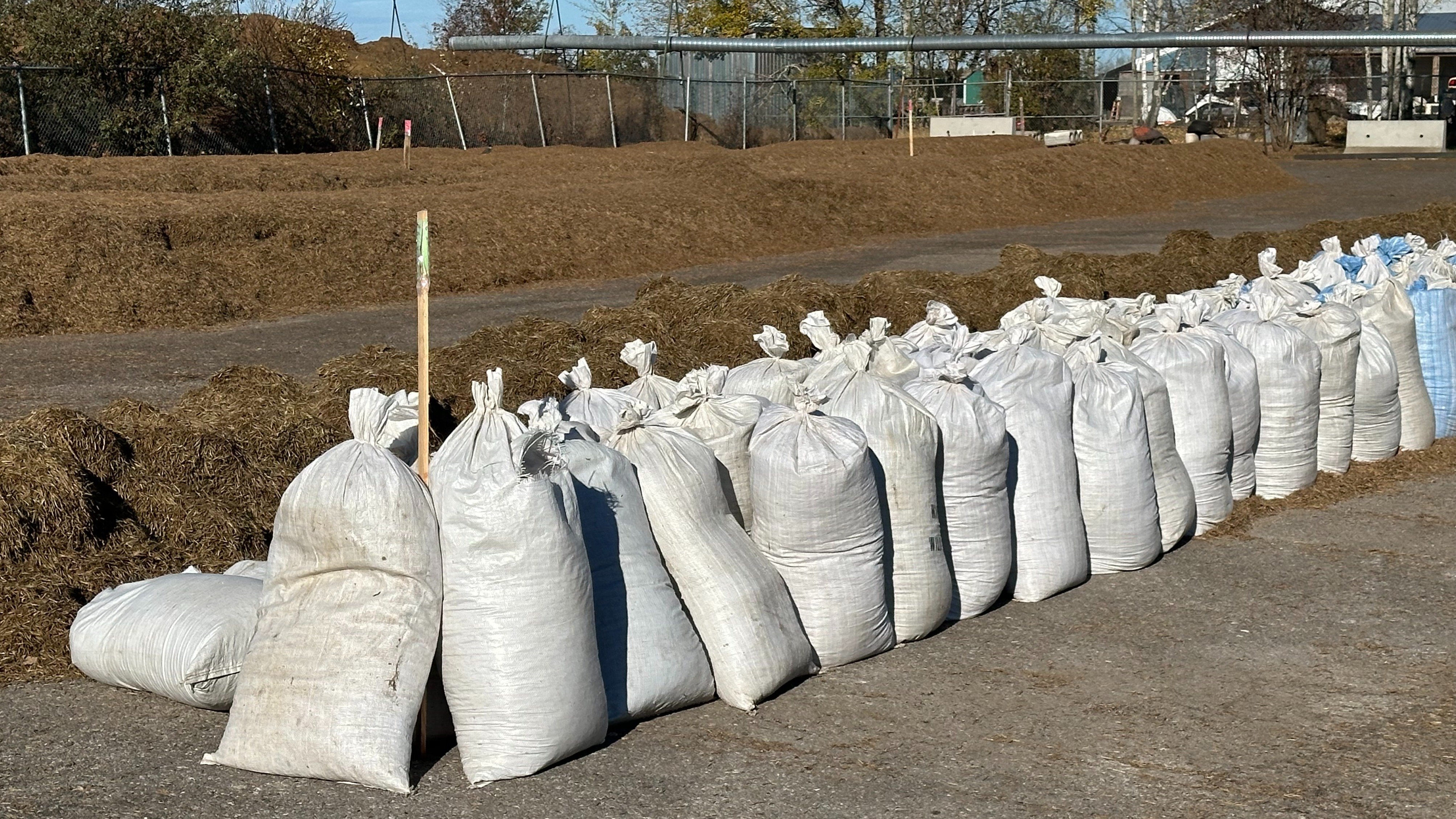
Wild rice arrives to the processing plant in bags. It is then laid out in rows, and moistened and turned often before heading into the plant. Rice can lay in the yard for a week to a month.
Wild rice arrives to the processing plant in bags. It is then laid out in rows, and moistened and turned often before heading into the plant. Rice can lay in the yard for a week to a month. (Image Credit: Derek Cornet/larongeNOW Staff)
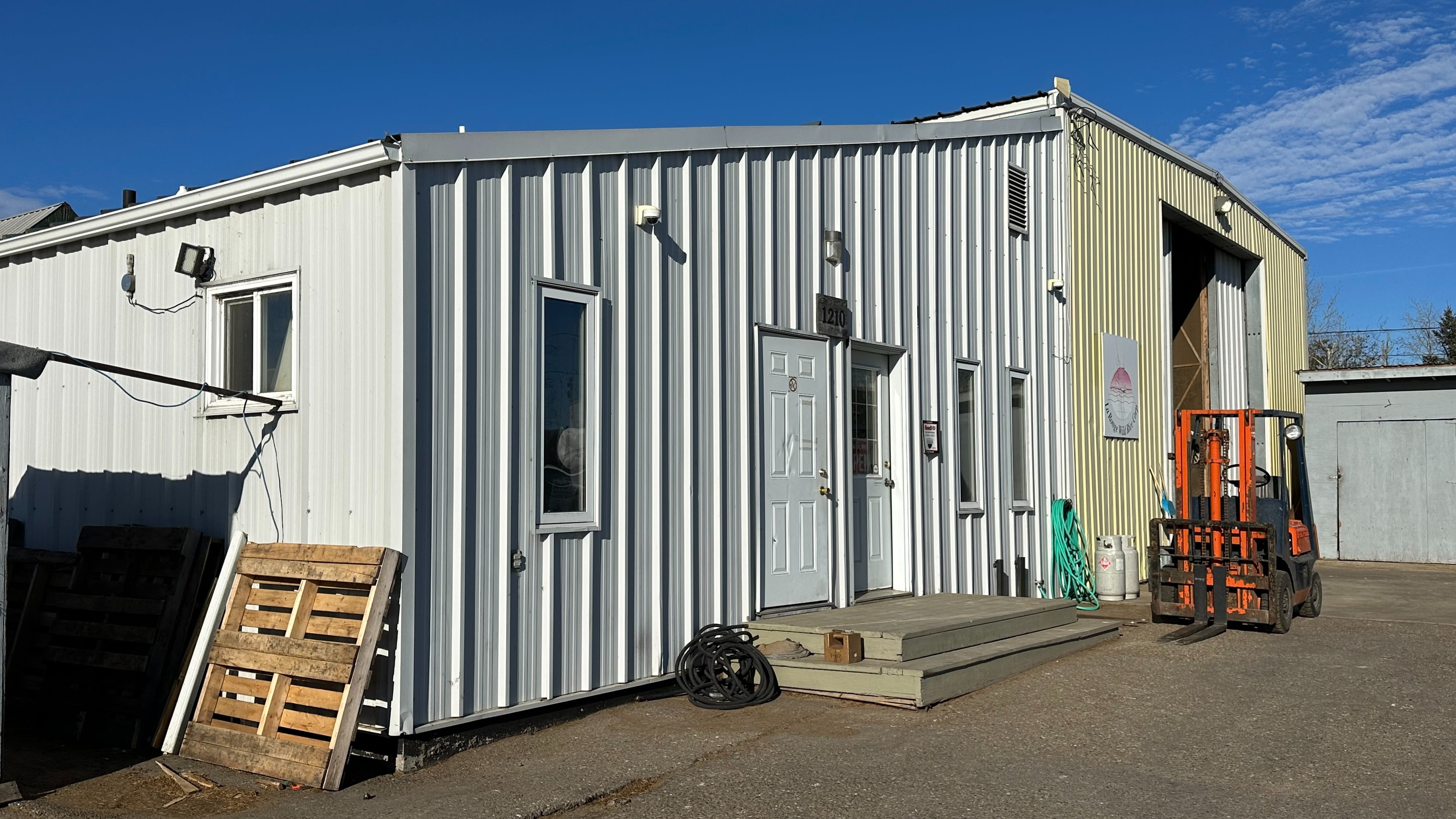
The La Ronge Wild Rice Corporation's processing plant. larongeNOW was unable to photograph inside the facility.
The La Ronge Wild Rice Corporation’s processing plant. larongeNOW was unable to photograph inside the facility. (Image Credit: Derek Cornet/larongeNOW Staff)

The rice enters the plant through a hopper and it is poured into the first of four, 30-foot-long drums. Moisture is added, before it is heated up to dehydrate. Throughout the entire process, the moisture in the rice will go from 37 per cent to seven-and-a-half per cent. 

The rice goes through a conveyer system where it is cooked and cured in heat for about two hours. After the second drum, the rice become more brittle, begins to lose the creamy colour inside, and it starts to shine on the outside.  

It then goes through a process where any undesirable organics, stones and metal fragments are removed. The rice is also dehulled and goes through a sorter where it is separated into medium, large and extra-large grains. The final step is loading it into 25 or 55-pound bags depending on the contract.

The La Ronge Wild Rice Corporation’s plant is certified organic. It follows standards for cleanliness, temperature, grade, and no chemicals are used. It employs three full-time staff and additional 60 part-time. Belsey added the workforce is almost entirely Indigenous with some coming from Correctional Service of Canada’s Besnard Lake camp.

“We draw a lot on the La Ronge and Air Ronge community to help us do what we do,” Belsey said.

The processing plant operates from as early as August to as late as December. Operations begin somewhat slow, but ramps up to 24 hours per day as more and more rice is delivered to the facility.  

The amount of rice processed fluctuates year-to-year. In 2025, about 2.4 million pounds of rice were processed, but the amount was only a quarter of that in 2024 due to rice worm infestations. In 2023, the plant processed a record-breaking three million pounds.  

While some of the wild rice is consumed domestically, upwards of 80 per cent is destined for China.  

derek.cornet@pattisonmedia.com