Click here to sign up for our free daily newsletter.
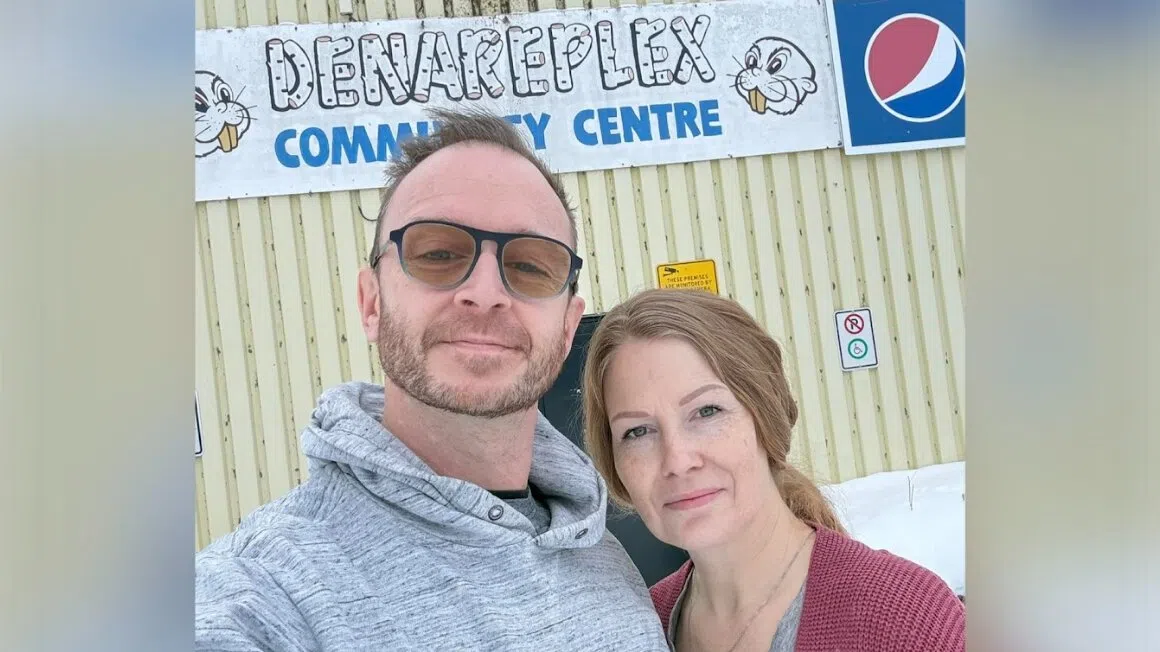
Daniel Hearn and Donna Gilchrist at Denare Beach for a Parenting in the Storm workshop. (Image Credit: Daniel Unmanageable/ Facebook)
'Turn pain into purpose'

Parenting in the Storm: couple turns addiction and loss into province-wide parenting workshop

Feb 26, 2026 | 12:57 PM

Families can recover.  

That’s the message Daniel Hearn and Donna Gilchrist spread during their province-wide Parenting in the Storm workshop that helps to improve communication between co-parents. 

The workshop combines hands-on activities where participants learn the importance of communication, and teachings from the pair’s lived experiences as parents in addiction recovery.  

“We experienced child apprehension, we experienced family court together and apart, we were both using drugs heavily. Donna ended up on the street; our house was in the final stages of foreclosure.” 

“As we progressed in our own separate recoveries, we started to see that we weren’t the people that we used to be. But when we decided to reconcile, we discovered that there was a lot of healing left to do that we didn’t really see coming,” Hearn explained.  

They learnt that something as small as a shift in language or the structure of a sentence heavily impacted their relationship.  

“We realized, if we’re having this struggle, other people must be having this struggle too; and from that point on, the workshop was born,” he added.  

The workshop is meant not just for parents seeking recovery from substance abuse, but for those who have experienced trauma, individual parents, or families impacted by communication breakdown.

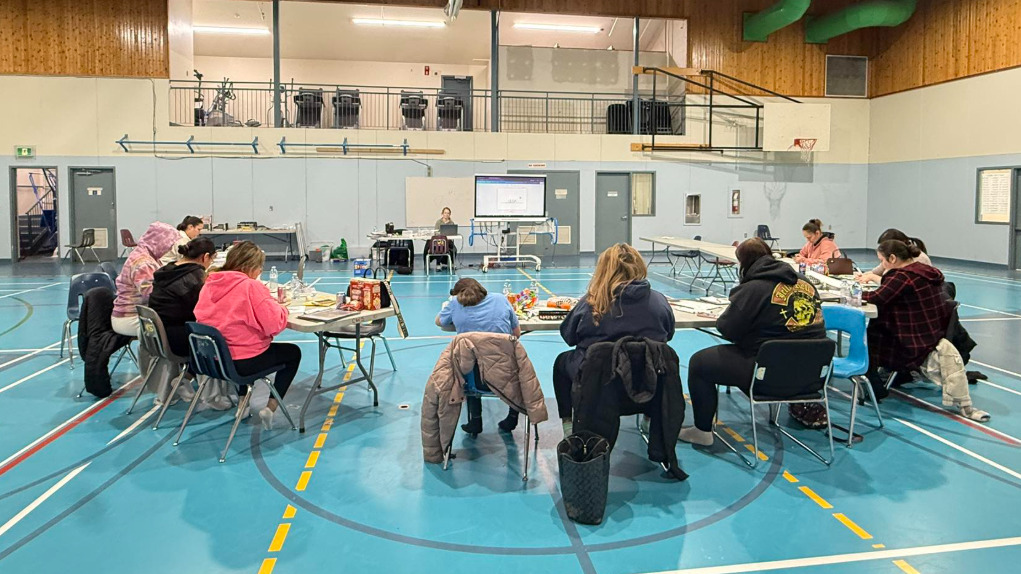
A Parenting in the Storm workshop held on Red Pheasant Cree Nation.
A Parenting in the Storm workshop held on Red Pheasant Cree Nation. (Image Credit: Daniel Unmanageable/ Facebook)

Trust 

Hearn stressed that he and Gilchrist don’t arrive at their workshops as clinicians with lanyards and clipboards, but simply as people with lived experience.  

“We tell stories of conflicts that we’ve had even a couple of months ago. We’re not completely healed here, but we have learned ways to navigate these conflicts,” he said.  

By immediately sharing their own stories and pictures, participants typically begin to trust the leaders and realize they are there to help them, not shame them. 

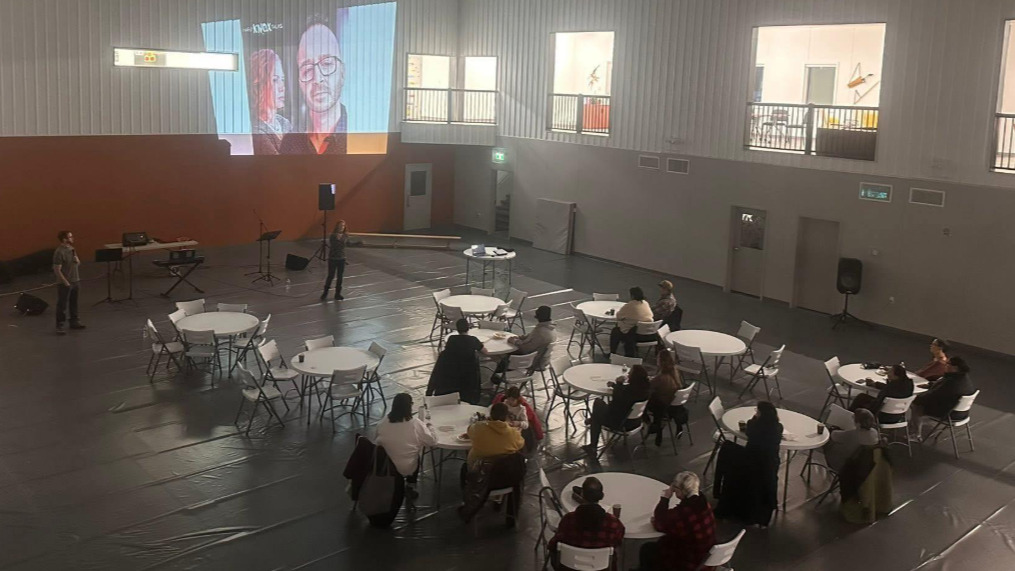
Parenting in the Storm workshop in Île-à-la-Crosse.
Parenting in the Storm workshop in Île-à-la-Crosse. (Image Credit: Daniel Unmanageable/ Facebook)

“We’ve got pictures of ourselves from back in the day. As soon as those come on the screen, the room goes quiet, and we have their attention,” Hearn said. 

This immediate trust and a high level of engagement have stood out to the pair since their start in August.  

“It’s such a beautiful thing that when we start talking, we start doing the workshop and the different activities, and the guard comes down and the information starts going in. You can see it; it’s palpable,” he added. 

Gilchrist agreed by sharing the story of a young woman who attended the workshop. The participant expressed that early on in motherhood, she realized she did not want to raise her child the way her parents had raised her.  

“She was determined to not follow in their footsteps in that respect, but she had never considered how she was partnering and that she was replicating how her parents were behaving with each other in her own relationship,” Gilchrist said.  

These are the stories that keep the leaders motivated through their busy workshop days. 

The ultimate goal is to have participants leave with tools for communication and emotional regulation, confidence to repair conflict and rebuild trust, and a personal vision of what ‘parenting in recovery’ can look like.

Growth 

Over the last seven months, the Parenting in the Storm workshop has visited 15 communities in central and northern Saskatchewan.

“Every time we go, they want us to come back. It’s just been really, really well received, and we are beyond grateful,” Gilchrist said. 

Moving forward, the pair hopes to expand the workshop to be able to serve more communities in various ways. For now, they will continue to provide teachings and tools to Saskatchewan communities through contracted work with prevention and child protective services.

“If we can improve our communication, we can improve relationships with everyone around us,” Hearn said. “Families can recover; whatever that looks like.” 

Alyssa.rudolph@pattisonmedia.com