
Click here to sign up for our free daily newsletter.
(Image Credit: ID 46687984 © Joop Kleuskens | Dreamstime.com)
Group homes

Prince Albert councillor says group homes are impacting police resources  

Feb 25, 2026 | 5:18 PM

One Prince Albert city councillor said that he would like more details on how much time missing persons cases impact policing resources.  

Blake Edwards said on Monday that many of the missing persons cases are youth from group homes.  

“Last year, there were 2,229 reports of missing people and many of these come from youth facilities or care homes,” he said.  

Edwards was referring to 2025 statistics from Prince Albert Police, which were recently released.  
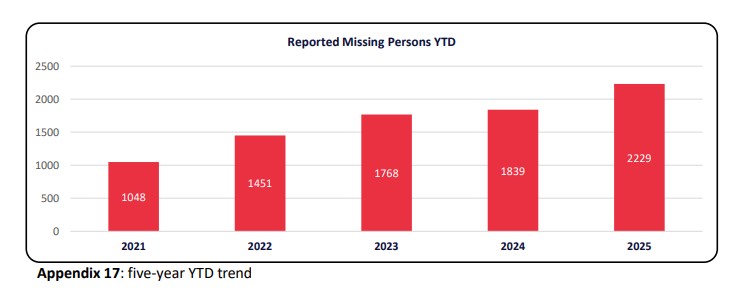
PA Police data shows a 20 per cent increase in missing persons last year, something that is concerning to Coun. Blake Edwards because of the amount of time the investigations take.
PA Police data shows a 20 per cent increase in missing persons last year, something that is concerning to Coun. Blake Edwards because of the amount of time the investigations take. (Image Credit: screenshot/PA Police)

One of the biggest drivers behind budget increases for the City of Prince Albert is funding requests from the municipal police force.  

In 2025, council gave PA Police a $1.2 million increase, which was less than the $2 million requested. For 2026, PA Police asked for an increase of $900,000 over 2025.  

This year, the city has a budget of just under $71 million and $22 million of that is allocated to policing.  

Missing persons reports make up about 5.5 per cent of the total calls for service for PA Police.  

Chief Patrick Nogier said missing persons cases require a lot of officer time.  

“It has a massive impact on it. It’s a front-end load on every missing person – which means we try and get as much information about where the individual was last seen, what type of clothing (they had on), who they may have been with,” he said. “All of those take a substantial amount of resources and effort right out of the gate.” 

It does not matter who the person is and their background, they treat every report the same.  

According to the National Centre for Missing Persons and Unidentified Remains, numbers are split 50/50 between adults and youth or children.  

One of the first steps is to put the missing person’s information into CPIC, a national data base that all police services can access.  

For adults, about 33 per cent were removed from CPIC within 24 hours and 72 per cent were removed within one week. Saskatchewan has the second highest per capita missing people in the country, trailing only British Columbia.  

When it comes to youth/children, the vast majority are runaways. In 2023, the most recent numbers available,73 per cent of children reported missing were runaways.  

Virtually all were discovered quickly, with 56 removed within 24 hours and 90 per cent within a week. When it comes to children reported missing, Saskatchewan has the highest rates in Canada.  

For Edwards, it all adds up to what can be done differently to reduce the impact on community resources like policing, especially when group homes are a big source of missing children and youth.  

“Group homes in general are causing some concerns in the city with missing people and causing lots of time away (for) our police,” he said. “Just in general, I think that care homes and group homes need some work on how we deal with this.” 

The discussion came about on Monday as city council voted on a proposed group home on Linner Lane.

Council voted to not allow the group home use to proceed, with the main reason cited because of the quality of information that was attached to the application.  

Edwards raised his points during that discussion and said his concerns about strained police resources would have caused him to vote against it anyway.  

“Until that’s rectified and how we deal with some of those concerns, I’m not going to support a motion anywhere until we can deal with that part of the group homes or care homes or things like that.” 

The province said they operate 36 group homes for children and youth in their care in Northern Saskatchewan, which includes Prince Albert. There are another 17 group homes that are connected to First Nation child and family services agencies that can also accept children from the Ministry.

“Children only come into care when there are no other options to ensure their safety at home. If a child cannot remain safely at home, our next step is to look to extended family to provide safe, out of home care for that child. Approximately 60 per cent of children in out of home care live with extended family. While family-based care is the preferred, least intrusive means of caring for children who cannot safely remain in the parental home, the need for home-based care options remains high,” the Ministry of Social Services said in response to questions from paNOW.

Of all the cases reported to PA Police last year, seven were still being investigated at the end of the year.

susan.mcneil@pattisonmedia.com