Click here to sign up for our free daily newsletter.

Expanded market access for Canadian meat products to Indonesia

Feb 24, 2026 | 4:43 PM

Following the signing of the Comprehensive Economic Partnership Agreement (CEPA) by Prime Minister Carney and President Prabowo in September the Canadian government announced a major expansion of market access for Canadian beef and pork. 

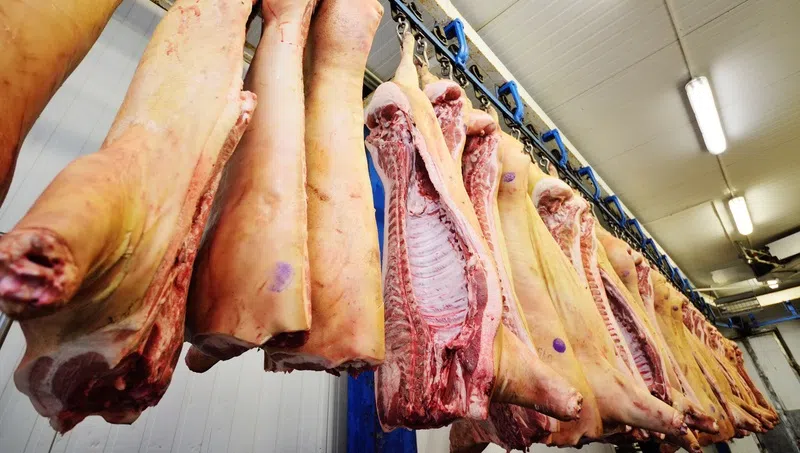
Canadian exporters are now able to ship over-30-month (OTM) bone-in beef, and for the first time, pork and pork products. Indonesia has also approved more Canadian facilities, further strengthening Canada’s export capacity. Enhanced access for beef and beef products has also been achieved through the removal of Indonesia’s residency restrictions on imported cattle.  

Agriculture and Agri-Food Minister Heath MacDonald said this new opportunity is a testament to Canada’s leadership in food safety and animal health and the strength of our science-based regulatory system.  

“I look forward to the continued work of both countries to establish science-based animal health requirements for the trade of Canadian red meat,” MacDonald said.  

Canada’s exports to Indonesia are expected to increase significantly, building on the $1.1 billion for beef imports and $42 million for pork imports in 2024.  

From Sept. 2 to 12, 2025, the Indonesia Directorate General of Livestock and Animal Health Services (DGLAHS) conducted an onsite audit of Canada’s meat and livestock establishments. The audit confirmed that Canadian establishments produce beef and pork products in a sanitary and safe manner that complies with Indonesia’s import standards.  

The CEPA will eliminate nearly all tariffs on Canadian beef and pork and includes rules to address non-tariff barriers.   

Canadian Meat Council Chair Russ Mallard said securing access for nine Canadian plants to export to Indonesia is a pivotal step in diversifying Canada’s red meat exports in a large and fast-growing market.  

“This milestone reflects strong collaboration between government and our industry to overcome regulatory hurdles and secure recognition of Canada’s rigorous food safety and halal standards. It’s a meaningful breakthrough that positions our sector for new growth across the full supply chain,” Mallard said. 

 It also aligns with Canada’s commitment to double non-U.S. exports over the next decade.  

Canada continues to actively negotiate export certificates for live breeding cattle, live swine, genetic material, and bovine embryos. 

alice.mcfarlane@pattisonmedia.com