Click here to sign up for our free daily newsletter.
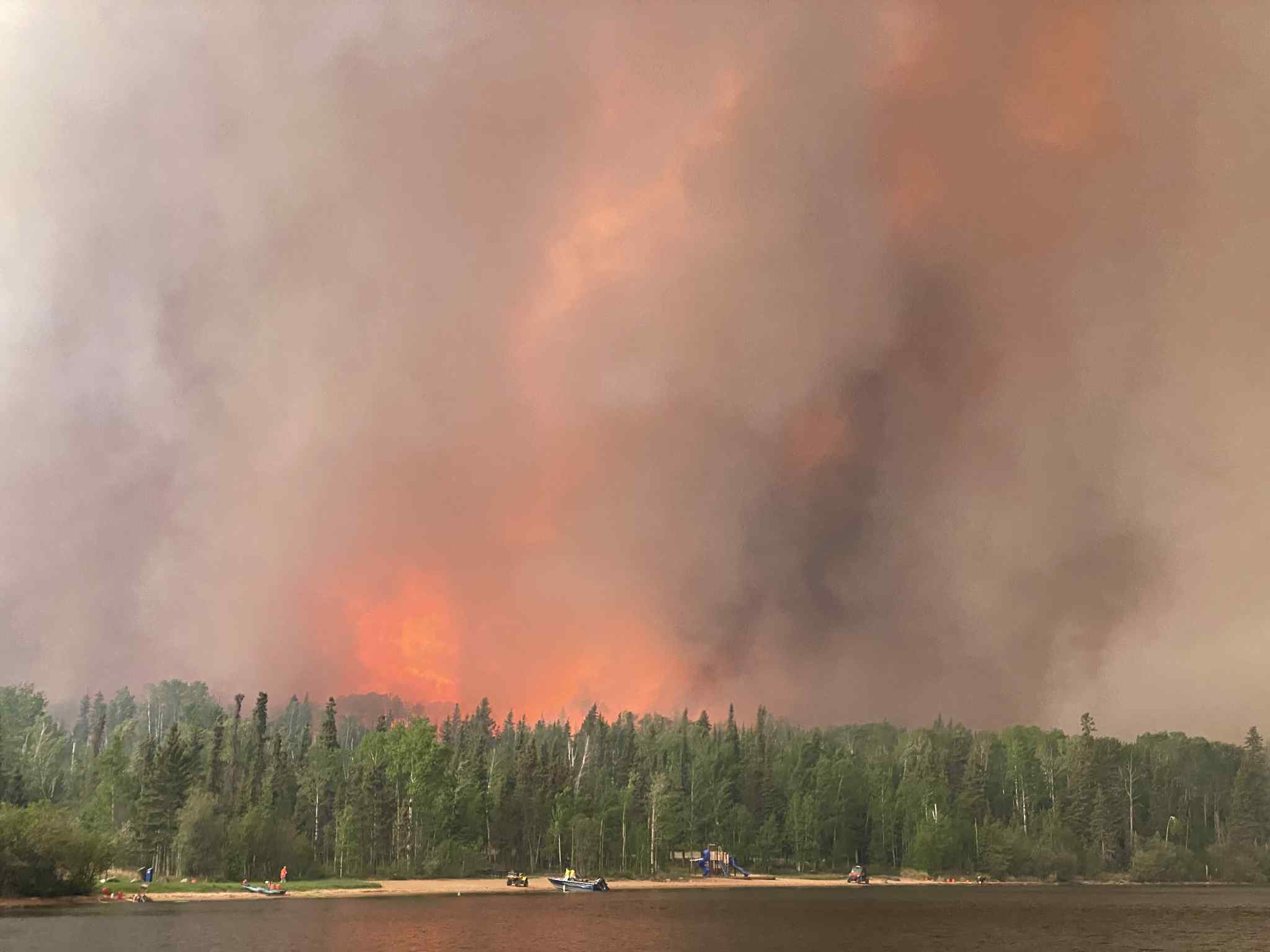
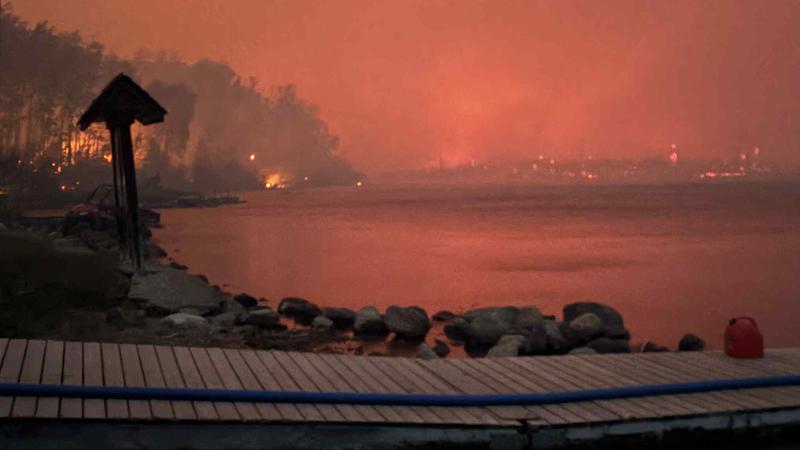
Residents of Wadin Bay went to work protecting their community when firefighters were unable to respond. (Submitted photo/Rhonda Middlemass)
preparedness

Humidity dome in Wadin Bay protected community from ‘wall of fire’

Sep 8, 2025 | 3:49 PM

The president of the Wadin Bay Cottage Owners Association believes other communities can learn a thing or two after residents of the resort subdivision were able to successfully protect their properties from a wildfire in June.

The fast-moving Pisew wildfire, which led to the evacuation of more than 7,500 people in the Lac La Ronge area on June 2, undoubtedly took many northerners by surprise after it rapidly spread and threatened multiple communities that day. With concerns the fire had the potential to reach their doorsteps, the association’s executive held a meeting two days prior to determine their course of action.

When residents there had been evacuated from a different wildfire about 20 years earlier, they began working with Northern Municipal Services to purchase equipment such as water tanks, pumps, hoses and sprinklers. So, when the Pisew fire began moving in their direction a few months ago, they were already prepared.

“We created a humidity dome they call it with the sprinklers,” Denis Renaud said.

“You’re putting a lot of moisture in the air over a period of time. We had not only the 50 sprinklers we had in the community, but we also encouraged people to have their own systems. When you have that many sprinklers going over a period of two or three days, it creates a humidity dome and that assists when the wall of fire hits. It seems like it brings the fire to ground. On the ground, you can fight it. You can’t fight it when it is up in the air at the treetops.”

When the wildfire approached Wadin Bay at approximately 7 p.m., there were 18 residents who stayed behind in a bid to protect their cabins. With provincial personnel busy responding to the fire in other areas, Renaud explained they decided to step up as they weren’t ready to leave everything they worked so hard on behind.

The Pisew wildfire forced residents out of their homes in the Lac La Ronge area for nearly two weeks. (submitted photo/Rhonda Middlemass)
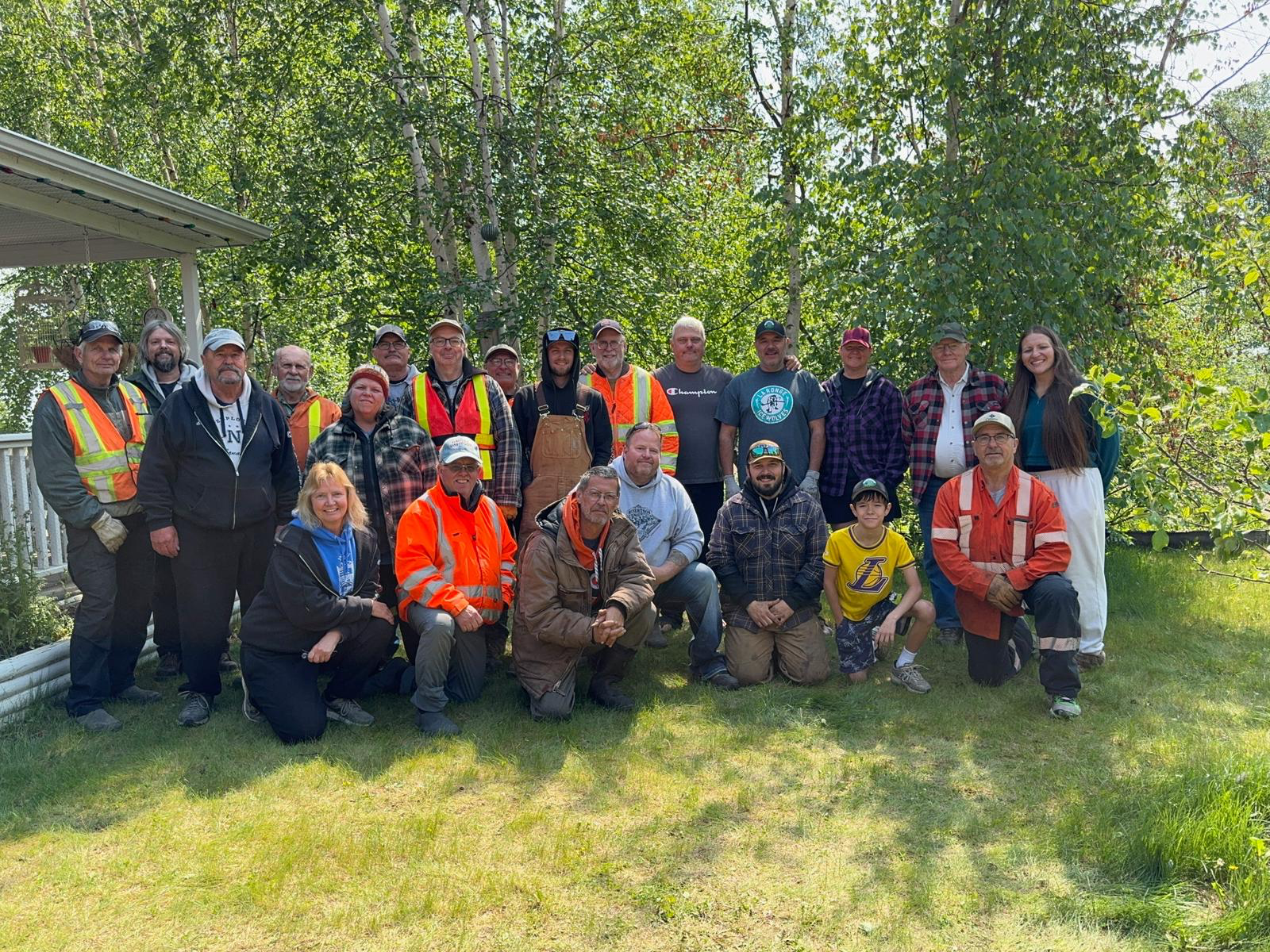
The group of residents who banded together to protect Wadin Bay. (Submitted photo/Denis Renaud)
Lake water was pumped to cabins outfitted with sprinkler system. (Submitted photo/Denis Renaud)
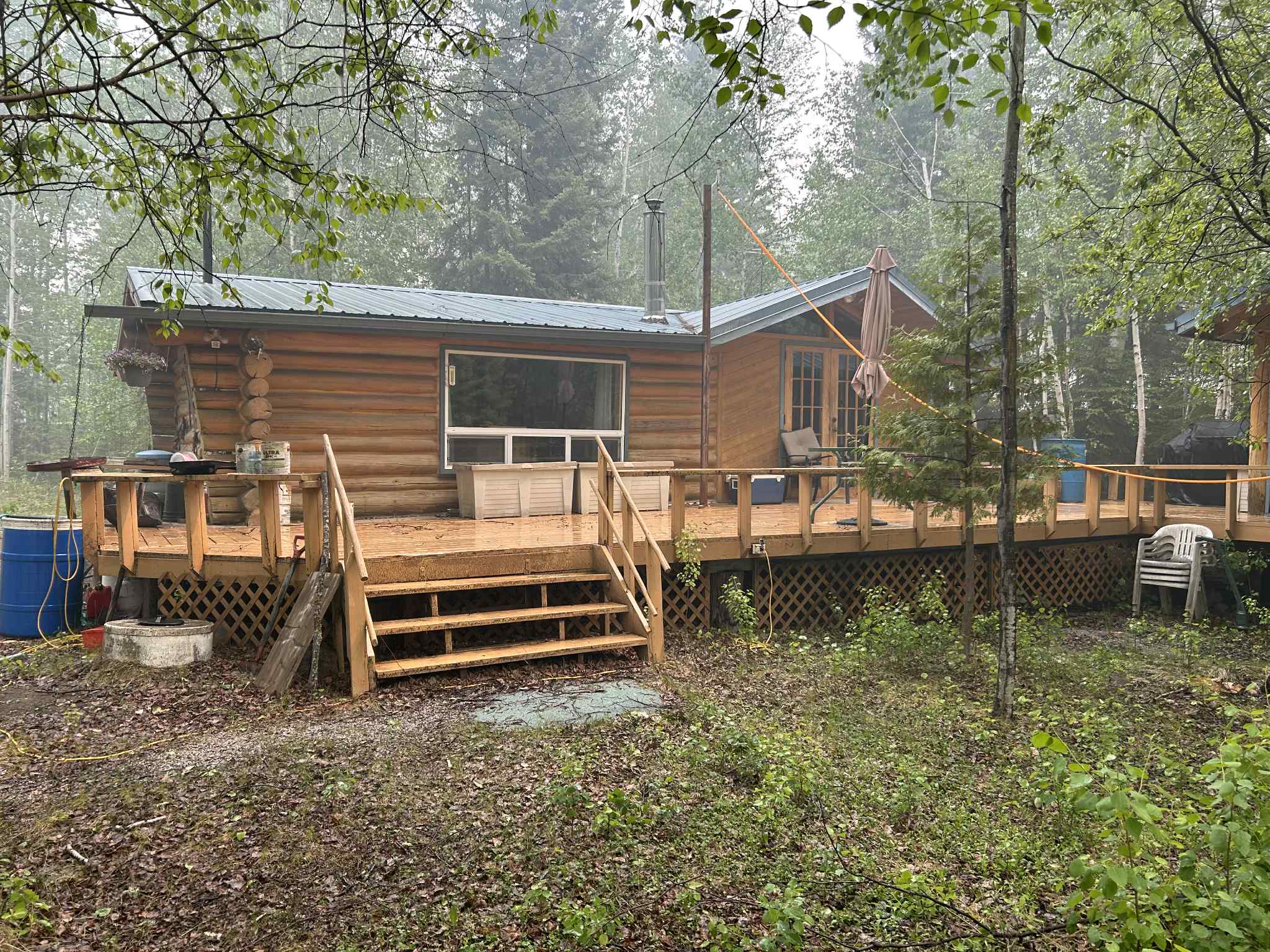
A cabin outfitted with a sprinkler system. There are abiut 80 cabins in Wadin Bay, which has a population of around 220 in the summer months. (Submitted photo/Denis Renaud)
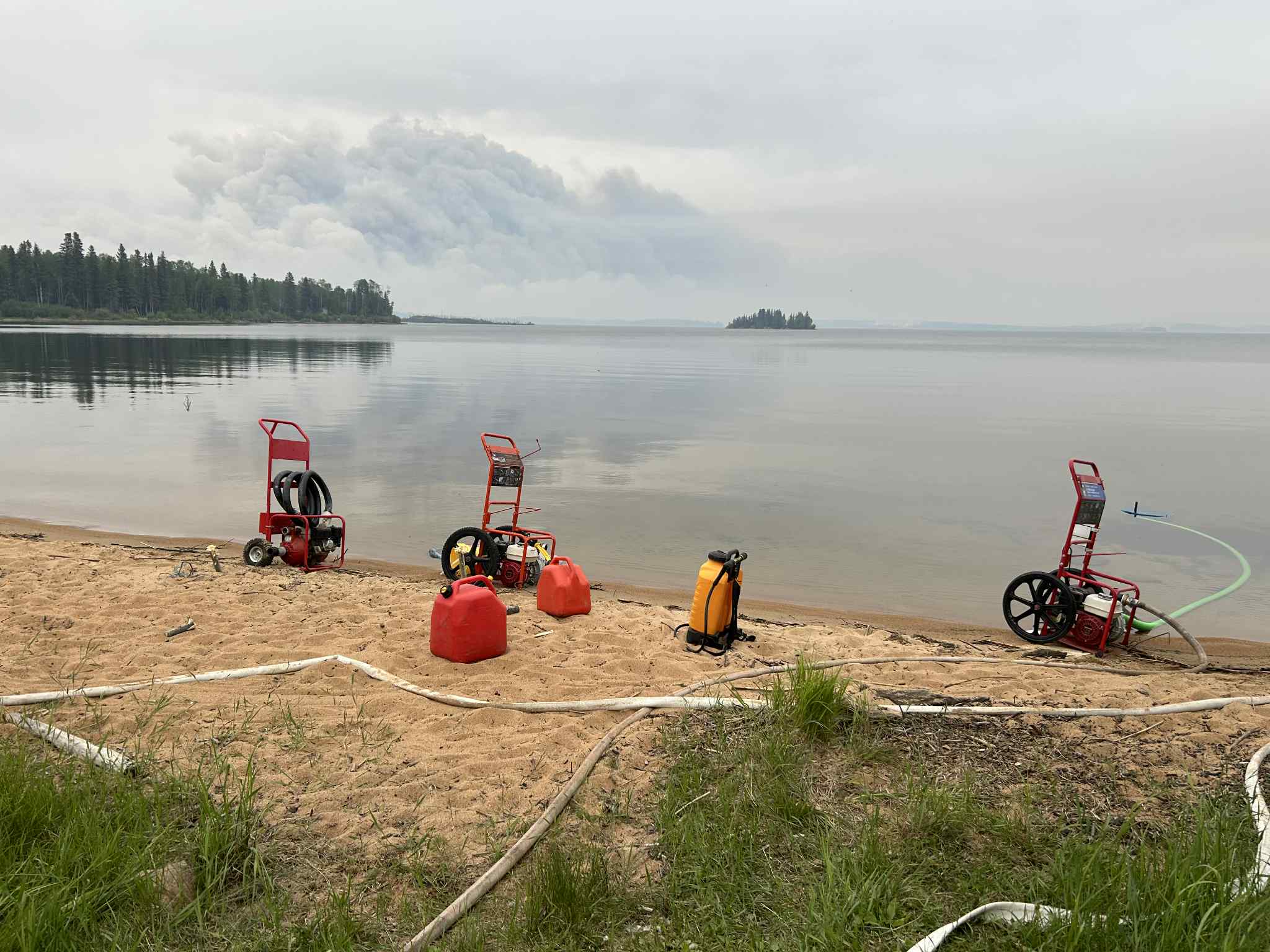
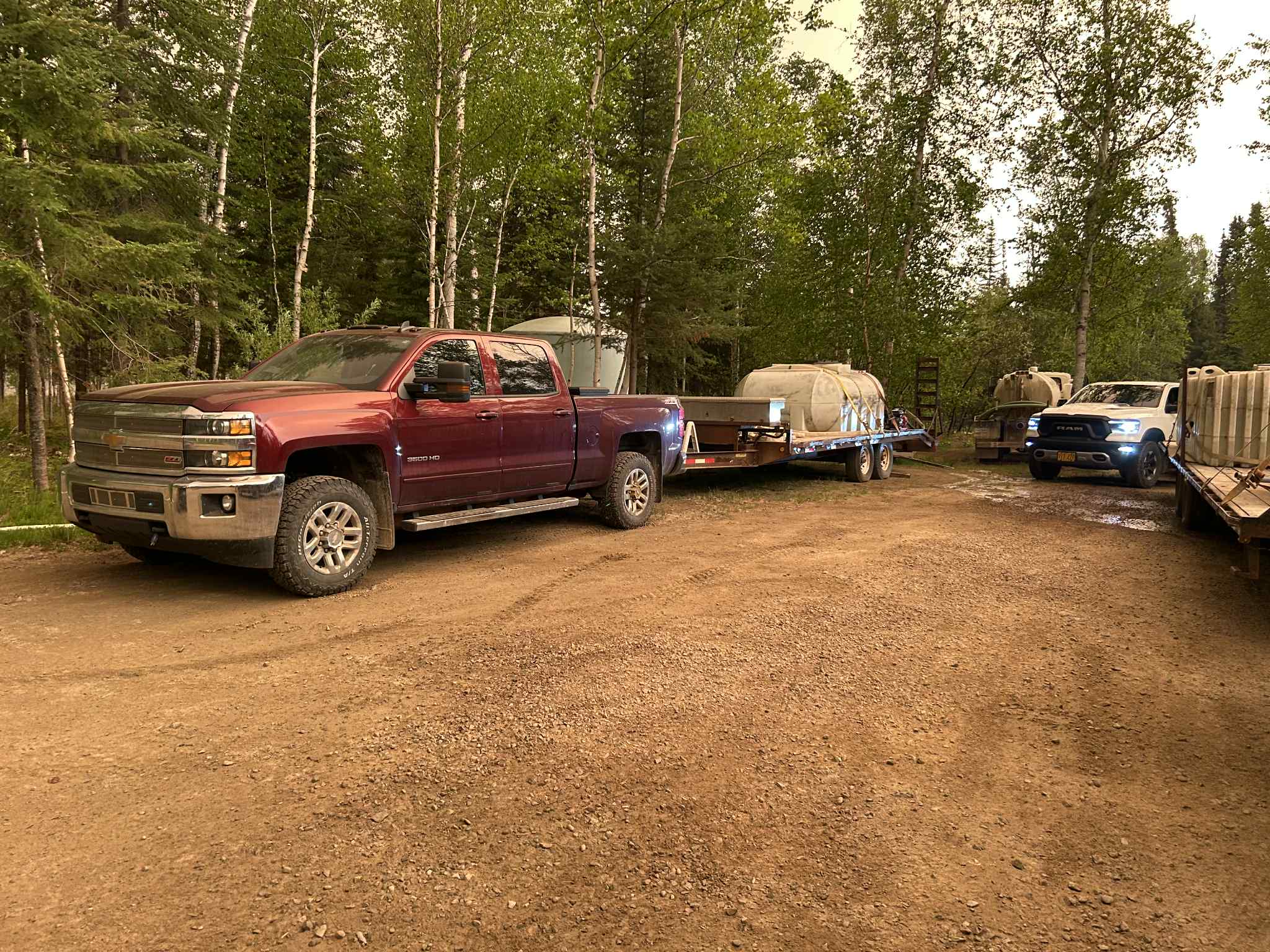
Mobile units with tanks, pumps and hoses were deployed. (Submitted photo/Denis Renaud)
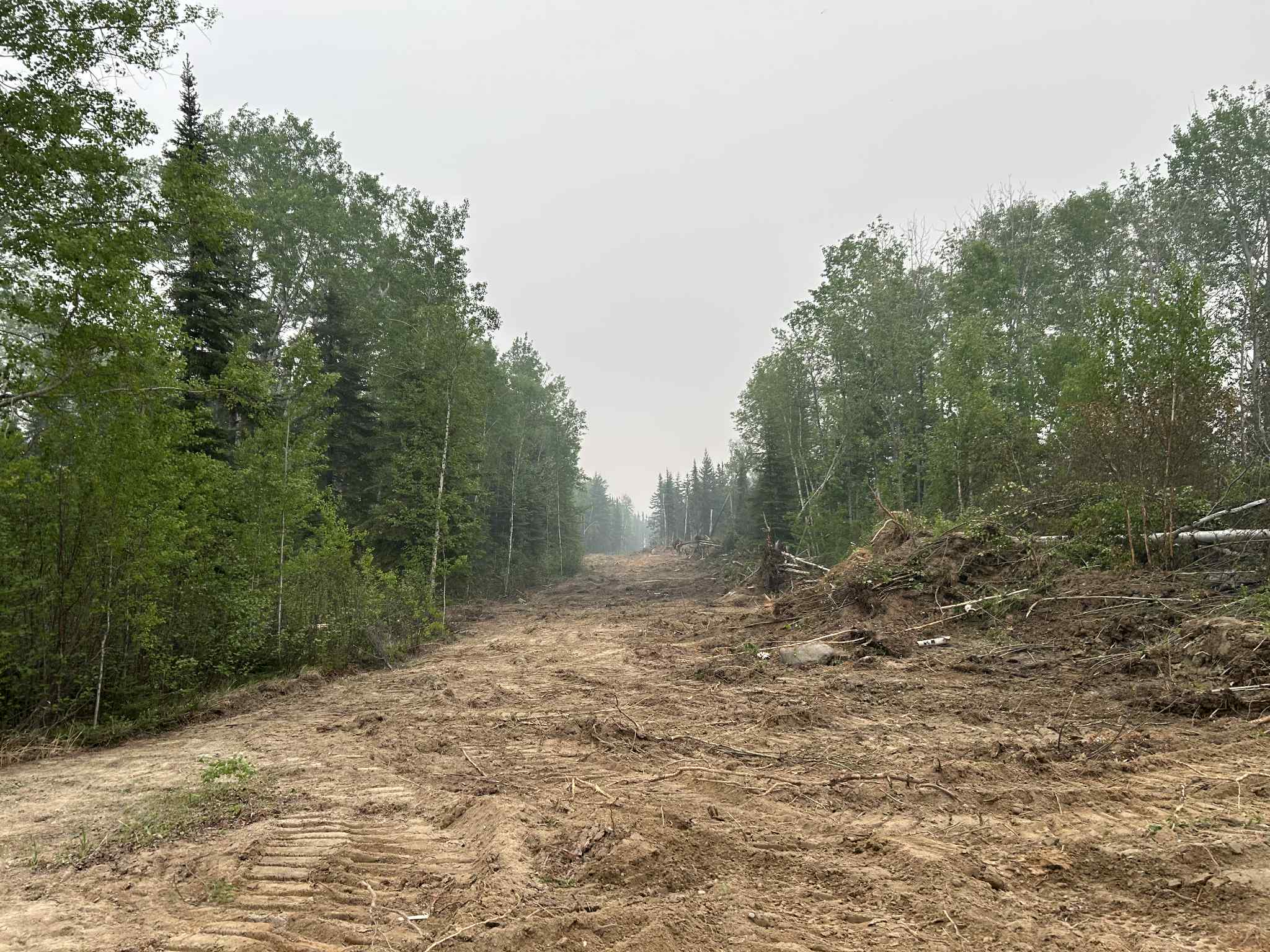
A fire break was shortly before the fire hit. (Submitted photo/Denis Renaud)

“We didn’t think it would get that bad, but it was very ugly,” he said.

“We had six to eight boats there in different locations in case anyone got trapped anywhere. We all were firmly in belief we were fighting the fire, but at some point in time … you do need to leave otherwise your safety is in jeopardy. That’s what we did. We fought the fire as long as possible, and when that wall of fire started to hit us, we dropped everything we had [and] we went back to the boats. We left all our boats in the boat dock area, and when we left, we fully anticipated we were going to lose everything because the wall of fire came right over us.”

They stayed floating in their boats for about an hour until a group of volunteers were sent back to Wadin Bay to survey any damage. The volunteers discovered none of the cabins or other structures had been destroyed, so the remaining residents also returned to prevent that from happening.

Wadin Bay doesn’t have a community water system, but has tanks strategically located to provide quick access to about 1,200 gallons of water. Without any hydrants available, the technique of using pumps, hoses and sprinklers fed by lake water is essential when threatened by wildfires.

In addition, residents had access to mobile attack units consisting of large trucks and trailers equipped with tanks, pumps and hoses. They also had smaller tanks and trailers connected to quads.

“We’re very fortunate. Not every community has that, and if you don’t have that, we definitely encourage you to leave because you do not want to get yourself caught in a situation where the fire will overrun you and you have no safe escape,” Renaud remarked.

The efforts of residents that day hasn’t gone unseen by leadership at the Lac La Ronge Regional Fire Department. In an email to larongeNOW, Deputy-Fire Chief Jay Wood stated they “did a tremendous job of fire smarting and protecting their community, and they deserve recognition for the work they did.”

“Wadin Bay is for sure a community that others should be learning from. When fire departments and Saskatchewan Public Safety Agency resources are stretched thin, the residents of Wadin Bay came together and protected their community,” he wrote.

“I wholeheartedly believe communities should be investing in a good Fire Smart program. This includes keeping combustibles 10 meters away from structures, setting up sprinklers on roofs and on [the] ground to protect from falling embers. This includes both industrial, commercial and residential. For further information on fire smarting visit firesmartcanada.ca.”

derek.cornet@pattisonmedia.com