Click here to sign up for our free daily newsletter.

First Nation chief: policing program criticism nothing new

May 8, 2014 | 4:28 PM

One Saskatchewan chief who has been involved with the First Nations Policing Program (FNPP) for more than two decades is shedding some light on a federal report—criticizing it.

Chief Darryl Watson said in 1993, he was optimistic when Mistawasis First Nation entered into the funding agreement between the federal government, provincial government and themselves.

“The whole idea was welcome to our community. We thought with the tripartite policing agreement it would offer more opportunity, not only for policing and enforcing laws of the land in a community, but also the possibility of creating some type of intervention, prevention programming along the way,” Watson said.

However, more than 20 years later the federal watch dog, auditor general Michael Ferguson, paints a very different picture in his annual report, released on Tuesday.

The report described a policing program hamstrung by improper allocation of money, slipshod buildings and lack of genuine aboriginal involvement.

Thirty-four of Saskatchewan’s 47 First Nation communities currently have agreements under the FNPP, which is funded 52 per cent federally and 48 per cent provincially. 

From Watson’s experience, the largest issues have all been in relation to officer housing.

The auditor’s report pointed out Public Safety Canada, the department responsible for the program, has little in place to keep track of the state of officer’s residences or police buildings.

When it came to funding that infrastructure, Watson said the burden has consistently landed on Mistawasis. This was based on miscommunication, he said.

“We were of the impression that it was their asset that they [the RCMP] would basically contribute 100 per cent, to building the necessary residences, but also the sub station office in our community.”

The type of housing they built depended largely on what Watson said were inaccurate discussions with the RCMP.

“To accommodate the RCMP back in the day we built these big five-bedroom homes because when the initial discussions occurred we were told that we would get members that had families that were willing to participate in the communities [and]children would be educated at our schools, but that never materialized,” he said.

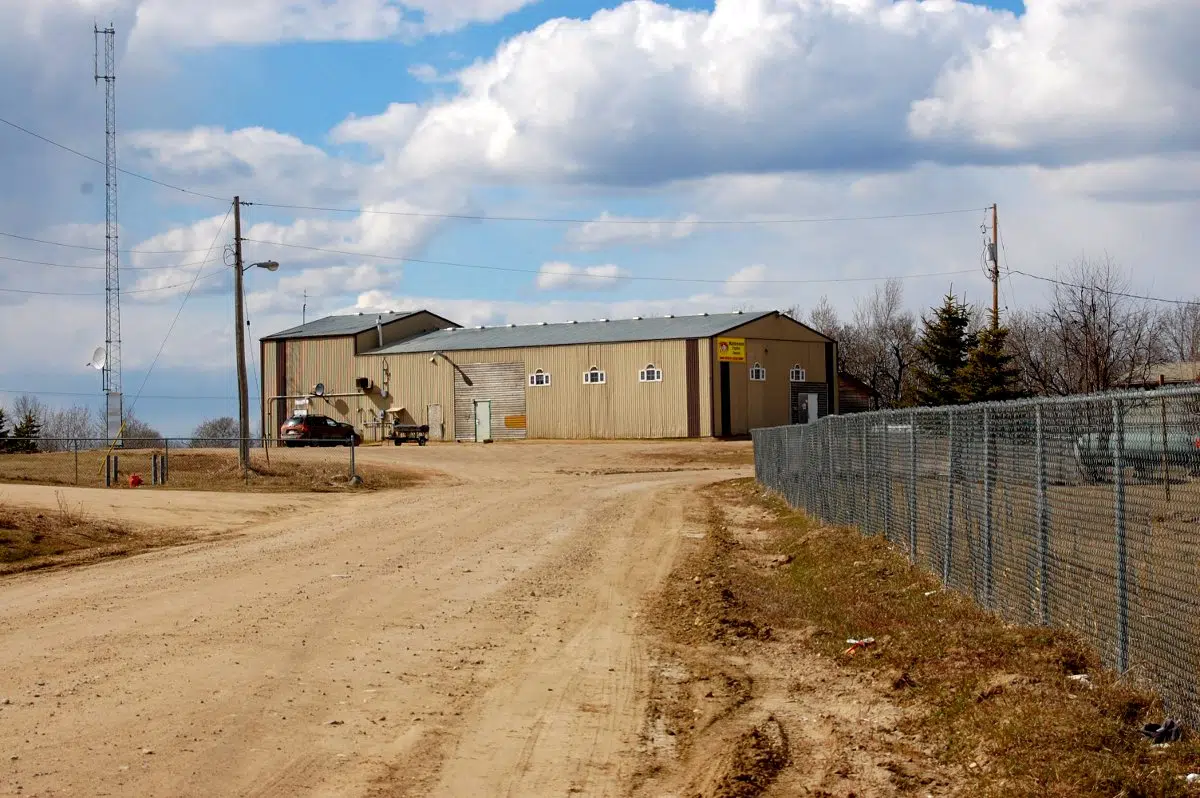
The strain of providing that infrastructure has left them with outdated housing and necessary security measures in the RCMP stations that the First Nation can’t afford to upgrade.

“We felt that it was creating undue hardship on Mistawasis, trying to find additional resources to basically meet the minimum requirements that their property management unit insisted had to be in place before the officers would even come out to Mistawasis,” Watson said.

These requirements of the program have left the community struggling to keep a 24-hour police presence, Watson said, which was his understanding of how the FNPP would help.

Now all of their buildings and homes which were intended for RCMP members are completely unused for those purposes.

They’ve had to flip the housing for residents in the community.

“The policing agreement, at this point in time has never worked in Mistawasis, nor do I think it will ever work,” he said.

“Over the past 20 years since we had policing nothing has changed. We still have crime, we still have major crimes like murders, we still have drug dealers, we still have people driving around intoxicated. We still have people that are breaching provincial laws for no drivers’ licence.”

First Nation’s initiative forced to end

He said the community does have an RCMP presence through the Shellbrook detachment and has even pursued its own initiative for more than 10 years. It was funded by Mistawasis First Nation separately from the FNPP.

“We created a peacekeeping initiative in our community where we looked at local members that would basically help complement the RCMP, not to the extent of enforcing the laws of the land or intervening in real delicate crisis situations. Basically as observers in the community that would identify some of the more important issues that need to addressed by the RCMP,” Watson said.

The ‘peacekeepers’ didn’t receive police training, but did receive First Aid, CPR, self-defence and conflict resolution training.

However, a month ago the Mistawasis could no longer afford to keep it up. Watson said requests for resources haven’t panned out.

– With files from the Canadian Press

claskowski@panow.com

On Twitter: @chelsealaskowsk