Click here to sign up for our free daily newsletter.
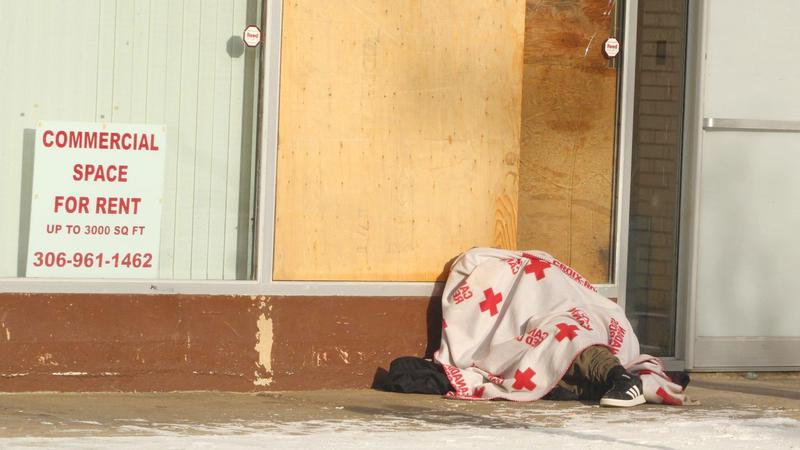
The City of Prince Albert will operate two warming shelters for homeless people this winter. (Image Credit: Susan McNeil/paNOW)
Homelessness

Increased provincial grant means two warming shelters in Prince Albert this winter

Nov 3, 2026 | 11:00 AM

An increase in provincial grant funding from about $260,000 last year to $497,000 this fall will allow the City of Prince Albert to open two warming shelters this winter.

Council approved the grant motion at a special meeting Monday, with the funding also supporting additional garbage collection and security patrols.

Anna Dinsdale, the city’s director of community development, said the city will pilot separate locations for men and women, with the option of co-ed accommodations if needed.

“That’s not necessarily about increasing capacity. That’s about recognizing that we want to alleviate pressure on one location,” Dinsdale told council.


The approach is also intended to reduce pressure on surrounding neighbourhoods while improving security and supports for shelter users. Funding will cover crime prevention through environmental design measures, which can include changes to a property’s layout and surroundings to improve safety.

Coun. Tony Head pointed to the 2025 point-in-time count, which identified 279 people experiencing homelessness in Prince Albert, including 167 who were unsheltered, as evidence the services are needed.

Finding suitable locations has been a challenge, with staff working on the project since April. Both sites will be downtown, although Dinsdale could not identify them publicly because agreements were still being finalized and depended on grant approval.

“We had hoped that we’d be able to create two locations that were a bit more further apart,” she said.

Service providers will track shelter usage and submit reports to the city and province.

Coun. Darren Solomon questioned whether the province’s decision to provide one-time funding for a third consecutive year offers enough certainty for long-term planning.

Dinsdale said the province cannot commit to annual funding because the amount available depends on its resources each year. However, early informal notice of funding last year allowed staff to begin planning with service providers.

She said ongoing communication with the Saskatchewan Housing Corporation could give the city a better indication by summer 2027 of whether funding will be available for the following winter.

While warming shelters focus on preventing deaths from exposure and addressing public safety concerns, Dinsdale said on-site housing coordinators and other supports can help people connect with longer-term services.

Those services include mobile complex-needs supports, treatment beds, detox services and a planned complex-needs facility.

Coun. Blake Edwards supported the motion but raised concerns about garbage, public drug use and the impacts on nearby businesses and residents.

Dinsdale said shelter operators will be expected to clean up around their locations, as they did last year. However, garbage continued to accumulate in surrounding areas, particularly toward March.

The additional funding will support more garbage collection and a separate security patrol consisting of a vehicle and two officers, supplementing security stationed at the shelters. The patrol will begin when the shelters open.

Edwards also asked whether people engaging in public drug use could be referred to the planned complex-needs facility.

Dinsdale said the facility is now expected to open in the spring, rather than this winter as previously hoped. Once a service provider is announced, police, the city and the provider can develop referral protocols and policies, including how public drug use will be handled.

Mayor Bill Powalinsky said more investment is needed in housing options between emergency shelters and permanent housing.

He said a group of mayors from communities experiencing significant homelessness is lobbying the provincial government for funding for specialized housing initiatives.

“I’m going to call it therapeutic housing,” Powalinsky said, describing an option for people recovering from addictions who need support to overcome homelessness.

—

susan.mcneil@pattisonmedia.com