Click here to sign up for our free daily newsletter.
https://www.dreamstime.com/art-therapy-painting-classes-courses-creativity-inspiration-expression-concept-woman-drawing-abstract-blue-class-watercolor-image123792357 (Image Credit: https://www.dreamstime.com/art-therapy-painting-classes-courses-creativity-inspiration-expression-concept-woman-drawing-abstract-blue-class-watercolor-image123792357)

Discover Simple Creative Habits That Ease Stress and Lift Your Mood

Oct 20, 2026 | 4:44 PM

The views and opinions expressed in this editorial are those of the writer’s and do not necessarily reflect the views or positions of Pattison Media.

Busy parents, care-giving adults, and professionals balancing work, home, and constant notifications often end the day with the same question: why does managing everyday stress still feel like a losing battle? When the mind stays on high alert, even “good” habits can start to feel like chores, and mental health can quietly slide while life keeps moving.

Stress management techniques don’t have to be another item on the checklist; creative outlets for stress can offer a simple way to release pressure and reconnect with a steadier internal pace. Mental health and creativity belong in the same conversation.

Why Creative Expression Calms the Mind

Creative expression supports well-being because it gives your brain a safe place to “put” feelings instead of carrying them all day. When you draw, write, cook, or make music, attention narrows, the body can downshift, and stress signals lose some volume. A non-verbal outlet for expressing emotions also helps when you cannot find the right words.

This matters because naming and shaping emotion is a form of regulation, not avoidance.

Creativity can shift you from rumination to processing, which often improves patience, sleep, and how you respond under pressure. On a brain level, it recruits networks for focus, reward, and meaning, which can steady mood.

Picture a tense evening where your thoughts keep looping. Ten minutes of sketching turns that swirl into lines and shapes, creating catharsis and emotional release without needing a perfect explanation. You are not “fixing” life, but you are moving emotion through. That same focused attention shows up in mindful photography, then refining favorite shots with an upscaling tool.

Try Mindful Photography to Reset Your Attention in 10 Minutes

When your mind feels scattered, narrowing your focus to what you can see can make calm feel more reachable.

Photography can be a soothing creative outlet because it gently anchors you in the present moment: as you frame a shot, you’re noticing meaningful scenes, everyday beauty, or a small moment in nature instead of replaying stress. After you capture a few images, you can also explore AI image optimization to refine your favorites. An AI image upscaler boosts resolution and clarity so you can enlarge photos while preserving detail and visual quality, useful when a peaceful snapshot becomes something you want to print or share without looking soft or pixelated. If you’re curious, the Adobe Firefly HD image upscaler feature is one option to try for enhancing size and sharpness.

Pick Your Path: 5 Stress-Soothing Creative Practices to Test

When stress is high, creativity gives your mind something specific to do, much like the mindful photography reset you just tried, so attention has somewhere steady to land. Choose one practice below, try it for a week, and track what shifts in your mood, energy, and sleep.

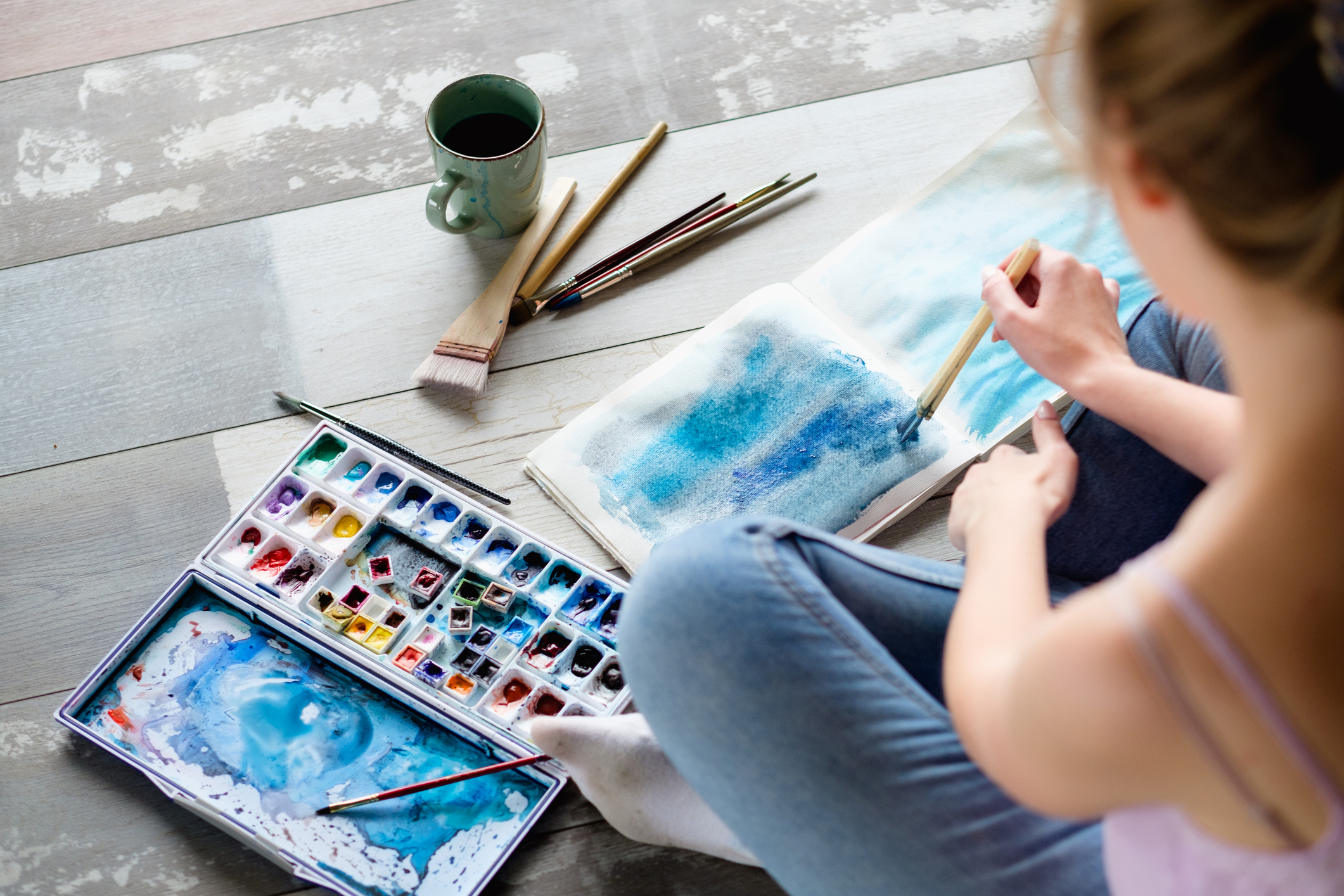
1. Paint for relaxation with “low-stakes” materials: Set a timer for 15 minutes, tape down paper, and paint only two things: large shapes and one simple color gradient (dark to light). This works because your brain can focus on sensory cues, brush pressure, water amount, color mixing, instead of looping thoughts. If you want a photography-to-painting bridge, paint a simplified version of one photo you took earlier: just the biggest shadow, midtone, and highlight.

2. Try creative writing for stress with a two-part prompt: For 10 minutes, write “What’s taking up space in my head is…” without stopping, then spend 5 minutes rewriting the last paragraph as a kinder, more helpful coach. The first part gets the mental clutter out; the second part practices re-framing without pretending everything is fine. End by circling one actionable sentence and turning it into a tiny plan for tomorrow.

3. Use music-based techniques (and know what counts as therapy): Build a “ladder playlist” with three 5-minute phases, (1) match your current mood, (2) slightly calmer, (3) the calm state you want, and listen in order while taking slow breaths or doing a repetitive task like dishwashing. This step-down approach can help your nervous system transition instead of forcing instant relaxation. The Cleveland Clinic clarification that clinical musical therapy involves a planned session led by a qualified therapist helps you choose: at-home playlists for daily stress, professional support when you want structured treatment.

4. Lean into DIY crafts for mental health with “one-repeat” projects: Pick a craft where you repeat one motion for 20–30 minutes, crocheting a simple chain, folding origami cranes, cutting collage squares, or assembling a small model. Keep the goal tiny: one coaster, one card, one repair, one square. Repetition is soothing, and finishing something tangible builds a sense of control when everything else feels messy.

5. Make gardening a creative outlet, even in a small space: Create a “micro-plot” you can manage in under 10 minutes a day: one pot of herbs, a windowsill propagation jar, or a small container with pollinator-friendly flowers. Give it a simple weekly rhythm, water check, trim dead leaves, rotate toward the light, note one change. Treat it like mindful photography: you’re training attention to notice detail, seasonality, and progress you can actually see.

Stress-Relief Creativity: Common Questions Answered

Q: How do I know a creative activity is actually helping my stress? A: Look for small, measurable shifts: a steadier mood, fewer stress spirals, or easier sleep. Keep it simple by rating stress from 1 to 10 before and after a 10 to 20 minute session for one week. If the number drops even a little, it is working for your nervous system.

Q: What if I’m “not creative” or I freeze up when I try? A: That stuck feeling is common and temporary, not a personality flaw. A creative block definition describes it as a moment when imagination feels stuck, which can happen to anyone under pressure. Try copying something on purpose: trace a leaf, rewrite one sentence, or match three colors from a photo.

Q: Is art therapy the same as doing crafts at home? A: They can both support wellbeing, but they are not the same thing. Art therapy is a mental health profession using art-making and psychological theory in a therapeutic relationship. Home creativity is great for daily stress, while therapy adds clinical structure when you want deeper support.

Q: How can I start a creative routine when I’m busy and already overwhelmed? A: Make the entry point tiny: one song, one paragraph, one page of color, or five minutes of tending a plant. Put materials where you will see them, and stop while it still feels doable. Consistency matters more than intensity.

Q: What should I do when creativity starts feeling like another task to “get right”? A: Remove the performance pressure by choosing rules that guarantee success, like “only make messy marks” or “use two colors only.” Set a timer and end on time, even if you want to keep going. The goal is relief, not results.

Turn Daily Creativity Into a Calm, Lasting Stress-Relief Habit

Stress has a way of piling up, and when life feels full, self-care can become another chore. A gentle, low-pressure creative mindset, focused on showing up, not “being good”, helps with habit formation in creativity and makes integrating art into daily life feel doable.

Over time, the benefits of regular creative practice can support long-term stress management by giving your mind a steady place to land. A few minutes of creativity, done often, can be a reliable reset.