Click here to sign up for our free daily newsletter.
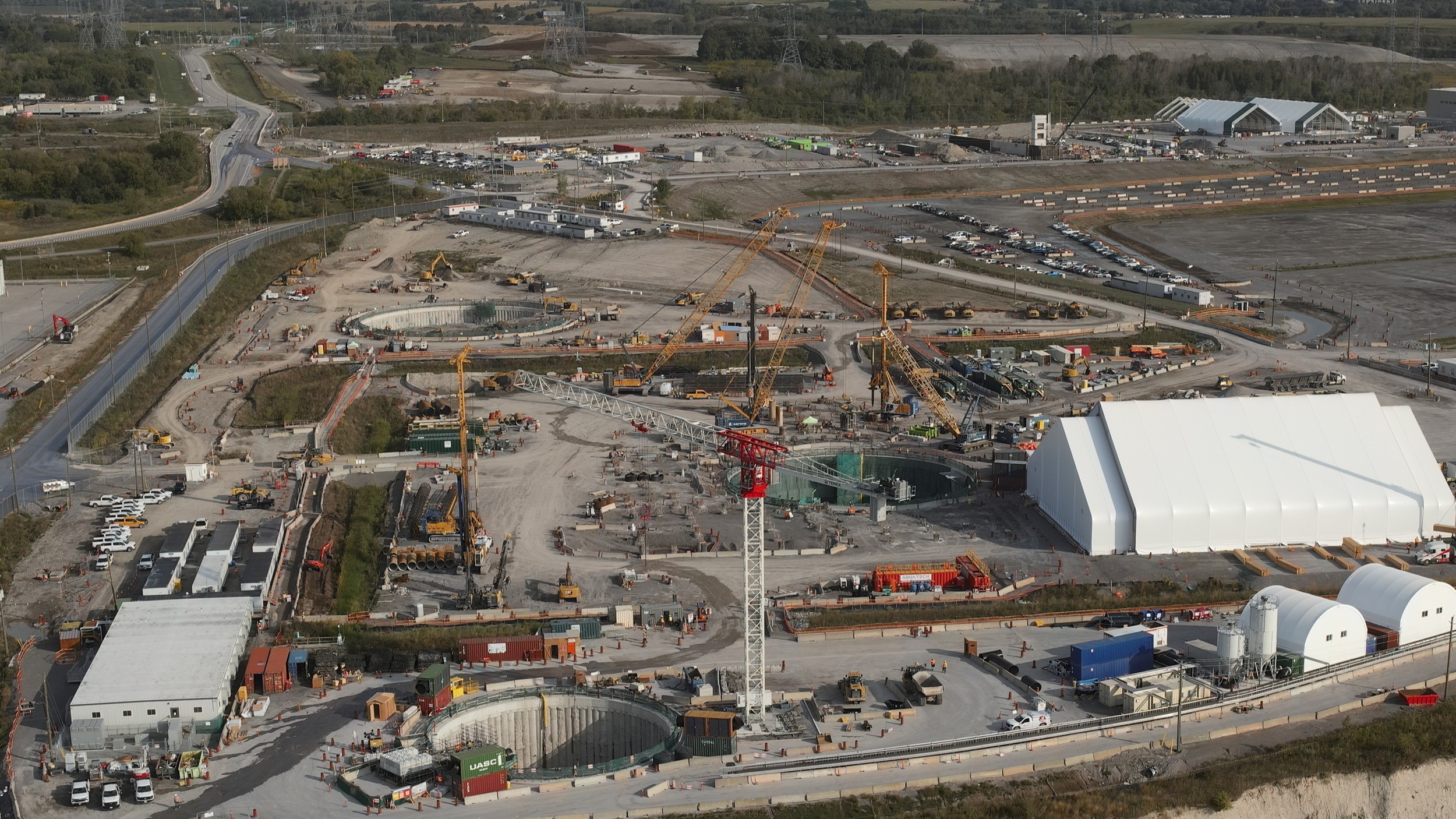
An aerial view of Ontario Power Generation's Darlington New Nuclear Project site, which will serve as the home of the G7's first commercial Small Modular Reactor. (Image Credit: opg.com)
Nuclear lessons

What Saskatchewan can learn from an Ontario nuclear host community

Sep 29, 2026 | 4:45 PM

For an Ontario community that has lived alongside nuclear power for decades, the industry has brought well-paying jobs, business opportunities and investments – benefits its mayor said could also reshape communities in Saskatchewan.

But Adrian Foster said prospective host communities should plan early to make the most of those opportunities and manage the pressures that come with them.

Foster is mayor of Clarington, Ont., home to the Darlington Nuclear Generating Station. He also chairs the Canadian Association of Nuclear Host Communities.

His advice comes as Saskatchewan Premier Scott Moe outlined plans that could see two large nuclear reactors built in the province’s northwest. Moe said SaskPower will evaluate potential locations and consult people in affected communities. The province is targeting at least 2,600 megawatts of nuclear generating capacity by 2050, with the first reactor potentially online by 2042.

For communities weighing what that could mean, Foster offered the perspective of a municipality where nuclear power is already a major employer.

He described Clarington as a “proud and willing host.” The municipality is home to four large reactors at Darlington, where construction is also underway on the first of four planned small modular reactors.

Foster said the existing plant employs about 2,000 people, with major construction and refurbishment projects bringing additional workers into the area.

That spending reaches well beyond the plant.

“Let’s say you’ve got 2,000 people showing up and likely more than that to build the reactor. Those individuals need haircuts, they need gas and car repairs,” Foster said.

For a more remote community, he said, the opportunity for existing and new businesses to capture that spending could be substantial.

The permanent jobs also provide stability through wider economic uncertainty.

“If there’s a recession, the power plant has to run,” Foster said. “It’s as much as you hear about baseload power, it’s baseload employment as well.”

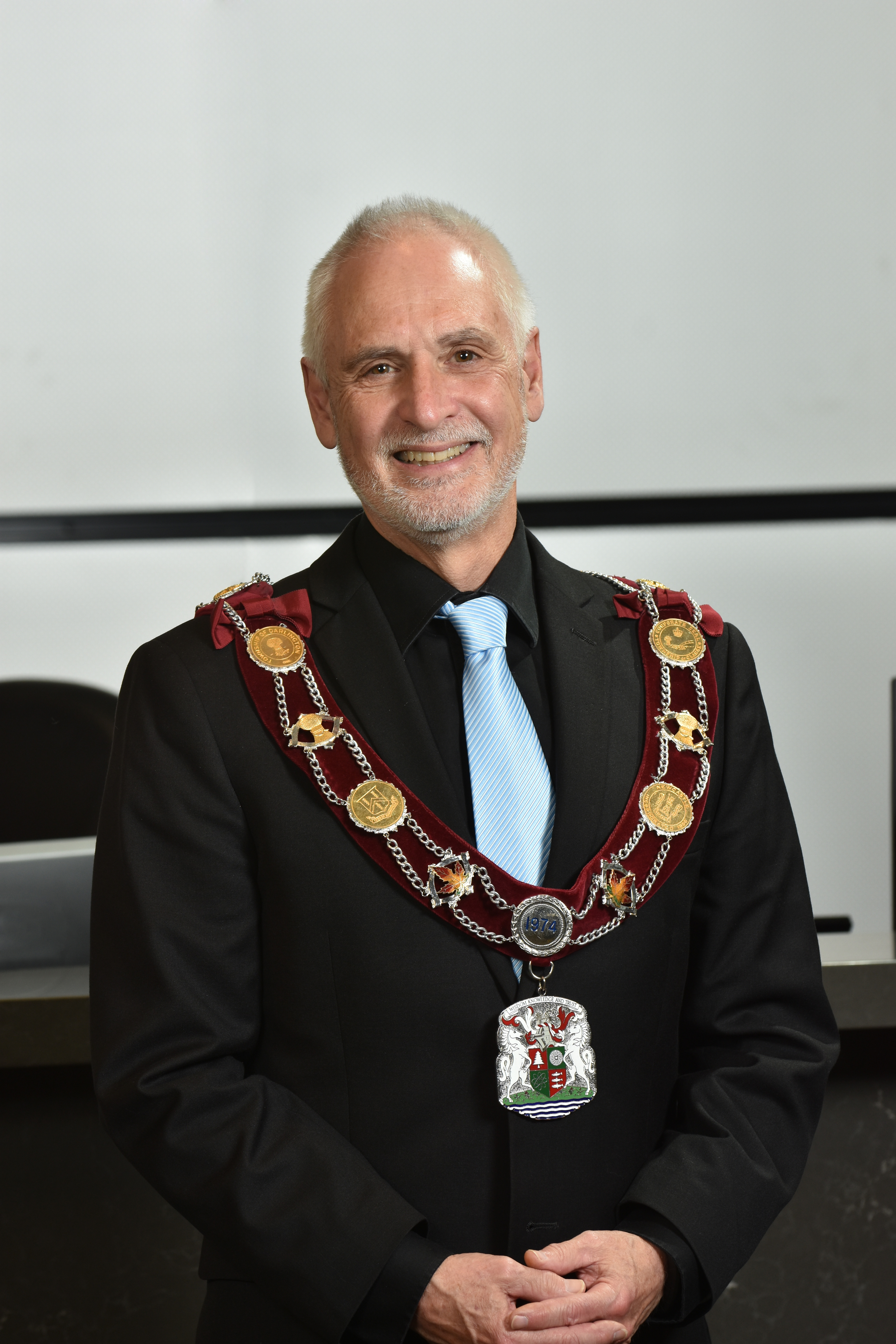
Clarington Mayor Adrian Foster is also the Chair of the Canadian Association of Nuclear Host Communities.
Clarington Mayor Adrian Foster is also the Chair of the Canadian Association of Nuclear Host Communities. (Image Credit: Submitted)

Foster said nuclear investment has contributed to Clarington’s growth, although its location on the eastern side of the Greater Toronto Area and comparatively cheaper housing are also major factors.

The community welcomed the small modular reactor development, he said, after disappointment over earlier nuclear projects that did not proceed.

“We’re very comfortable with the technology,” he said. “We’re very comfortable having them in the community.”

For smaller Saskatchewan communities, however, Foster said the changes could be more pronounced. Clarington has a diverse economy, established highways and workers who commute from neighbouring communities.

An influx of people earning strong salaries could increase housing demand and property values, he said. While that can benefit owners, it can also make buying a home harder for other residents.

“If you’ve got kids that want to live in town, if they don’t have really good well-paying jobs, houses are going to be far more difficult to buy because of the increase in cost,” he said.

Local employers may also face more competition for workers.

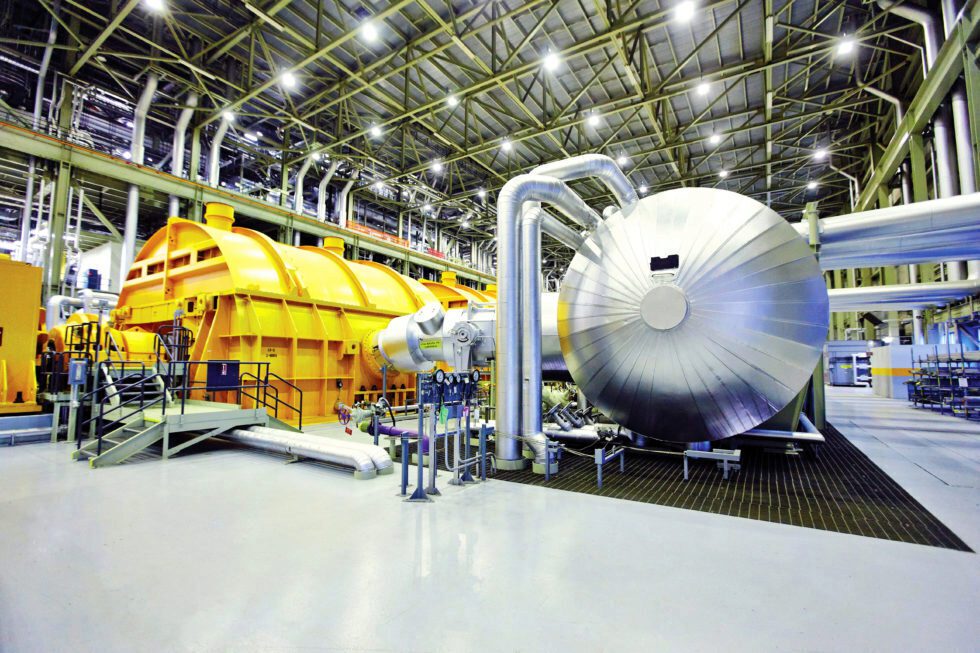
A photo from the Darlington Refurbishment Project, which was a decade-long undertaking by Ontario Power Generation to overhaul all four nuclear reactors at the Darlington Nuclear Generating Station in Ontario, extending their operational life by more than 30 years.
A photo from the Darlington Refurbishment Project, which was a decade-long undertaking by Ontario Power Generation to overhaul all four nuclear reactors at the Darlington Nuclear Generating Station in Ontario, extending their operational life by more than 30 years. (Image Credit: OPG.com)

Foster recommended negotiating a host community agreement that sets out benefits, opportunities for local suppliers and expectations throughout the facility’s life.

He pointed to a separate low-level waste project in Clarington where local businesses were invited to bid on supplies such as protective equipment and office materials.

“Businesses were thrilled to just be invited to the table,” he said.

Communities should also prepare for construction crews to leave once their work is finished. Foster said that transition carries the potential for a boom and bust, but lessons from mines, hydroelectric developments and other major projects can help communities manage it.

For residents with safety and environmental questions, he recommended seeking answers from universities and the Canadian Nuclear Safety Commission.

His association can connect prospective hosts with municipal leaders who have already navigated the process, including through informal discussions with councils and residents.

“By all means, ask questions,” Foster said.

—

panews@pattisonmedia.com