Click here to sign up for our free daily newsletter.
The 2026-27 budget was presented in the Saskatchewan Legislature Wednesday, March 18. (Image Credit: Legislative Assembly of Saskatchewan/Facebook)
Budget 2026: Protecting Saskatchewan

A look at provincial budget highlights affecting north central Saskatchewan

Mar 18, 2026 | 2:21 PM

Despite carrying a deficit of $819 million, the provincial government says this year’s budget prioritizes protecting the areas that matter most to Saskatchewan residents.

“Protecting Saskatchewan means protecting our economy and jobs, health care, communities and students, while ensuring Saskatchewan remains among the most affordable provinces in the nation for families and residents,” wrote Deputy Premier and Minister of Finance Jim Reiter in his opening statement of the budget document.

He said the province will continue to ‘weather the current economic uncertainty created by tariffs and the realignment of world trade relationships while making investments in key priority areas.’

Noted in the budget highlights, the government said it’s taking responsible steps to live within its means. It will manage the size of its workforce through attrition, focusing on operational efficiencies rather than job cuts in order to reduce expenses while maintaining services.

The financial outlook shows shows the budget deficit dropping from $819 million to $608 million in 2027-28, $381 million in 2028-29, $137.5 million in 2029-2030. The government hopes to be in a surplus of $124 million by 2030-31.


(Image Credit: Screenshot/Gov’t of Sask. budget highlights)

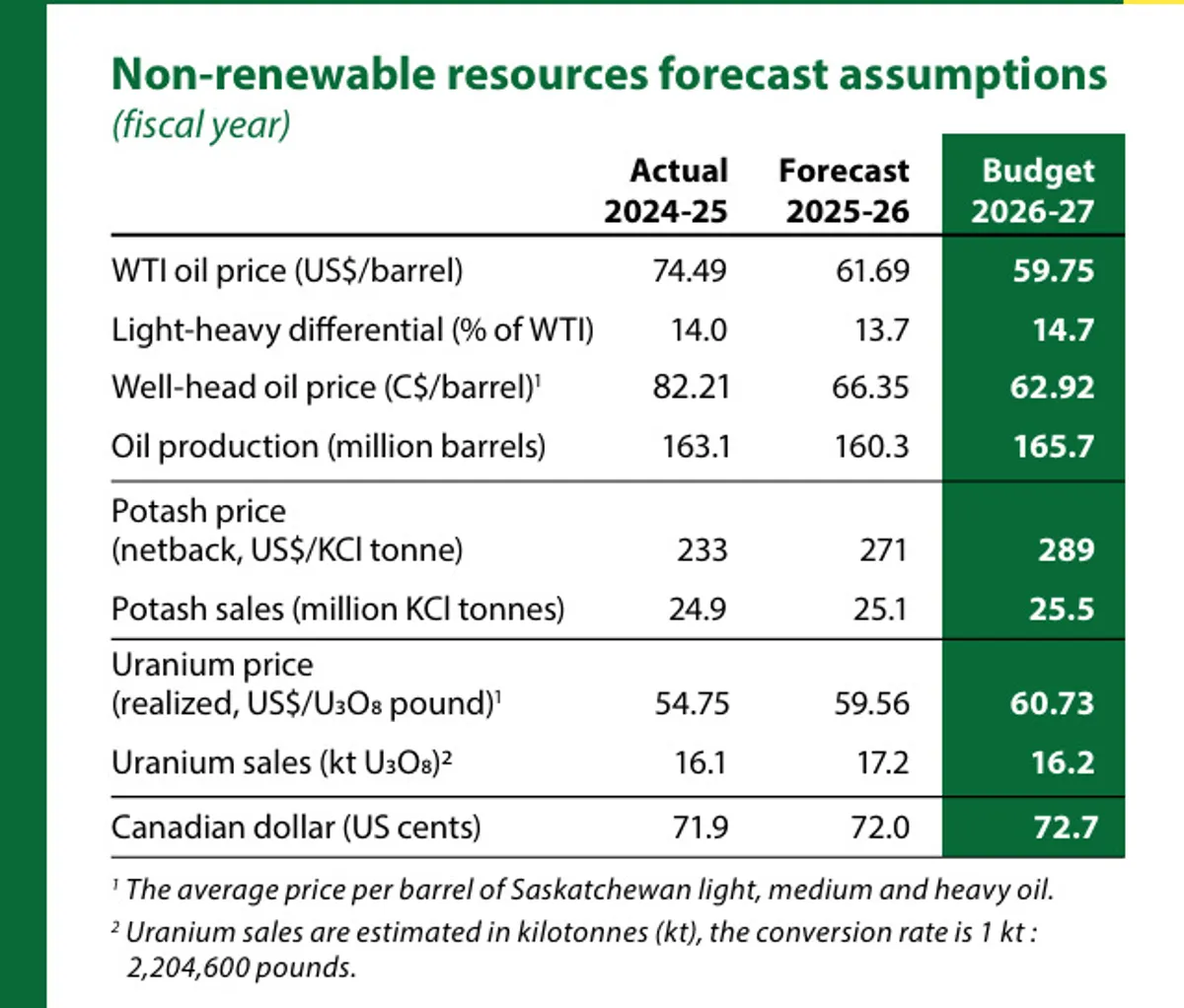
This budget’s surplus and deficit forecasts are based upon non-renewable resource assumptions and pricing. Today’s budget bases its assumption on a WTI (West Texas Intermediate) US benchmark price of $59.75 per barrel of oil. Due to ongoing conflict in the Middle East affecting energy infrastructure, today’s cost of oil is US$95-98 per barrel.

Reiter said the budget – which projects $21.4 billion in revenue and $22.2 billion in expenses – includes tax reductions and significant investments in the province’s patient-first health plan, with the finance minister noting that health and affordability were the two top concerns raised by residents.

With $4.3 billion invested in infrastructure, this year’s budget is touted as one of the largest capital budgets in Saskatchewan’s history.

Health Care

Hospitals, long-term care and health infrastructure will see an investment of $636 million. That includes the ongoing construction of the Prince Albert Victoria Hospital acute care tower ($238.4 million) and the La Ronge Long-Term Care project.

The Ministry of Health’s budget is $8.47 billion, an increase of nearly 5 per cent, over the previous year.

The Saskatchewan Health Authority will receive $5.15 billion to improve access to care for patients.

The nurse practitioner program will expand, with funding available for about 200 more addiction treatment spaces.

This year’s budget continues investing in Urgent Care Centres (UCC). The province has partnered with Ahtahkakoop Cree Developments to build a state-of-the-art UCC in Saskatoon, which is expected to open in early 2027. The budget also supports continued work to develop five more UCCs in Prince Albert, North Battleford, Moose Jaw, Regina and Saskatoon.

New budget funding is also available to support a unique Indigenous Continue Care Assistants (CCAs) pilot program to better meet future staffing needs in Northern Saskatchewan.

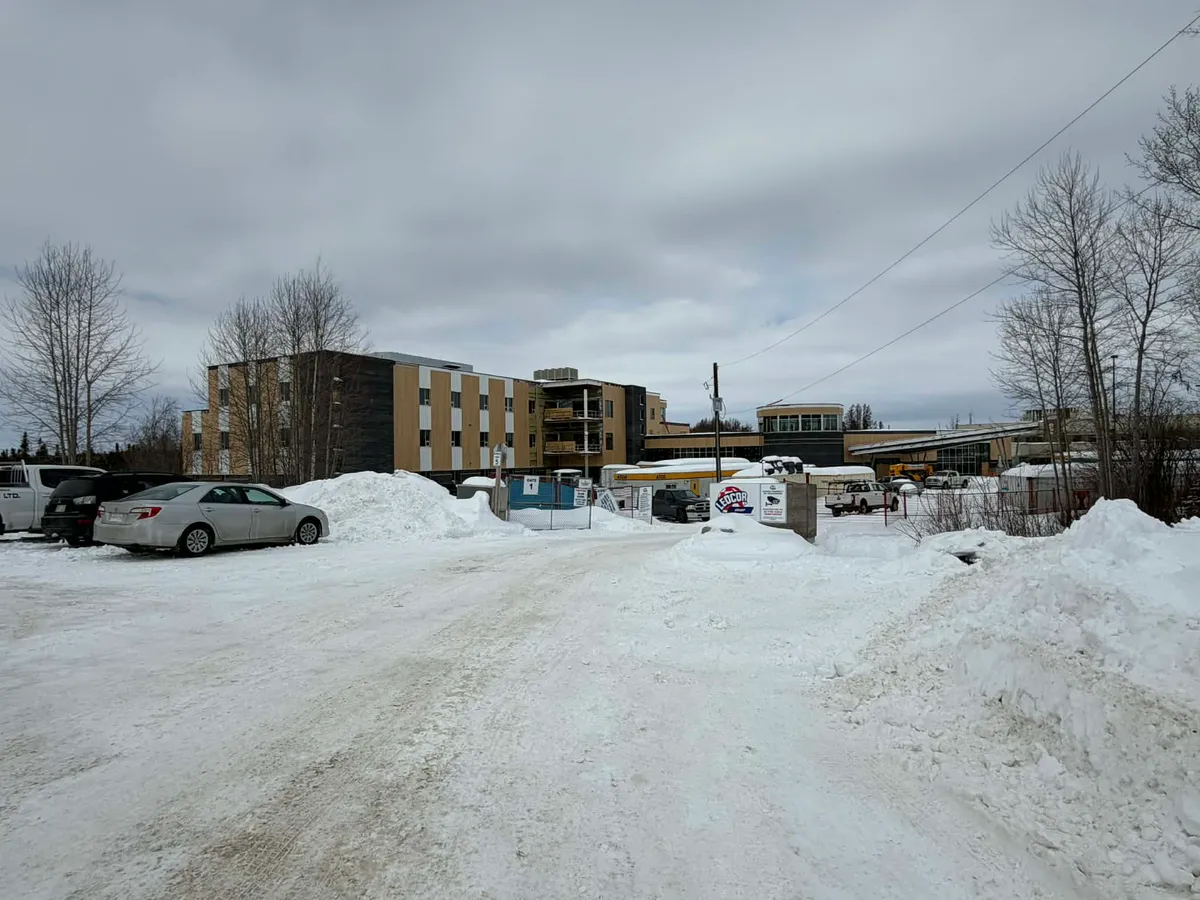
The new long-term care facility is under construction in La Ronge.
The new long-term care facility is under construction in La Ronge. (Image Credit: Derek Cornet/larongeNOW)

The budget allocates $9.2 million to enhance long-term care supports for seniors and individuals with complex needs, which includes support for more personalized long-term care services, staffing for new beds in La Ronge and Regina, and enhanced inspection, oversight and quality improvement.

The 2026-27 budget will also expand the Rural Physician Incentive Program (RPIP) to attract more doctors to rural and regional locations such as the Battlefords, Lloydminster, Moose Jaw, Swift Current and Yorkton.

On Tuesday of last week, Premier Scott Moe’s government unveiled its Patients First Healthcare Plan.

Mental Health

A record investment of $673.7 million in the 2026-27 budget will support mental health and addictions programs. That is an 8 per cent increase over last year.

The budget includes over $23 million for targeted investments that will create about 200 more addiction treatment and recovery spaces in multiple Saskatchewan locations, and expand resources, access to mental health, and addictions support.

This year’s budget dedicates a $9.6 million funding increase to support a Recovery-Oriented System of Care, which strengthens the focus on treatment and recovery by developing and expanding options to better meet the needs of people working toward recovery.

This increase will also fund Complex Needs Facilities in Prince Albert and North Battleford to assist individuals in crisis with a safe place to stabilize while being monitored for negative effects of drugs or alcohol.

Justice and Public Safety

A total of $269 million has been earmarked to improve access to justice and strengthen public safety.

An investment of $1.97 million will support the judiciary through the appointment of four new Court of King’s Bench associate judges in the province who will help reduce workloads for Court of King’s Bench justices and support more timely resolution of cases; the appointment of six new justices of the peace for communities across the province; and two new Crown prosecutors. The ministry will also provide $3 million for ongoing enhancements to modernize courtroom technology and infrastructure, enhance safety and security

The justice system also plans to help advance interpersonal violence programs and services through a $33.5 million investment.

Municipal Supports and Community Safety

The Ministry of Community Safety will receive $740 million while the Saskatchewan Public Safety Agency (SPSA) will get $140 million from the budget.

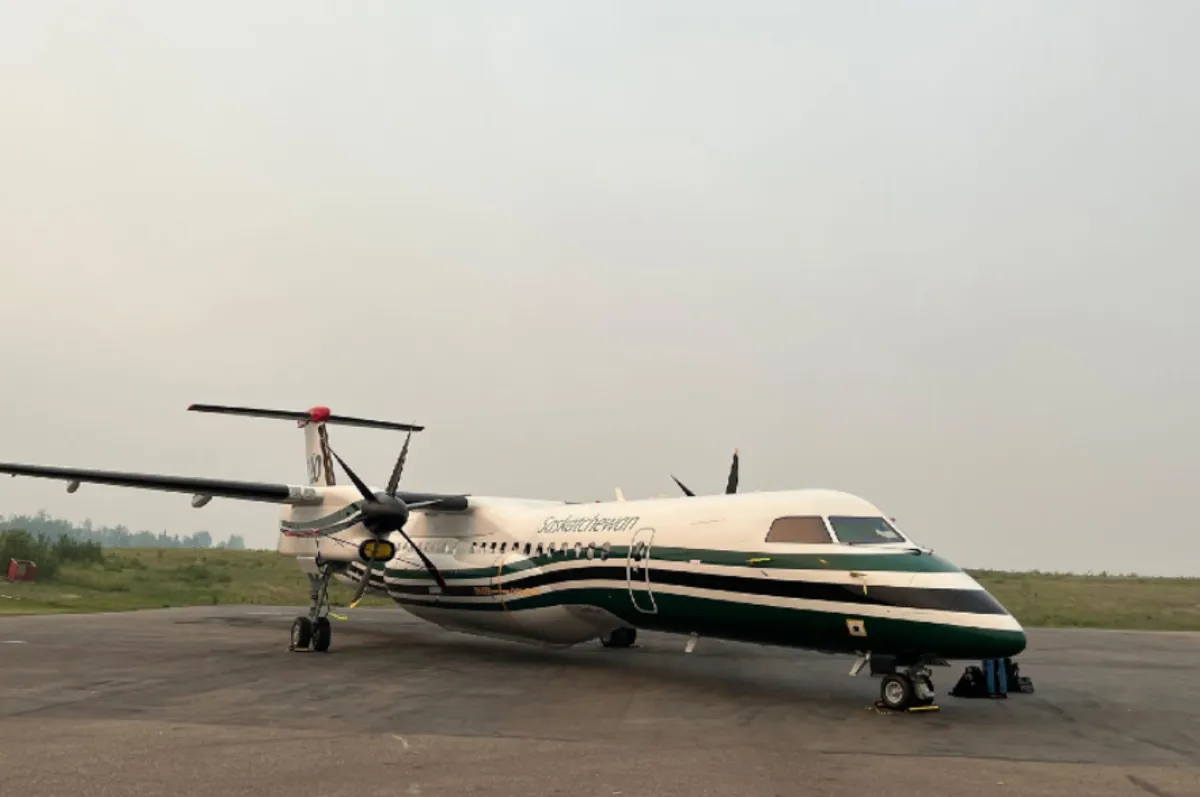
The SPSA is receiving an increase of $21.5 million in capital funding as part of its four-year plan to purchase four re-purposed land-based airtanker aircraft, consisting of two Dash 8-Q400AT models and two Dash 8-Q400MRE models. The delivery of the first air tanker was in 2025, with the delivery of the second air tanker expected in Q2 of 2026.

The province's first Conair Dash 8-Q400 AT Airtanker was delivered last April.
The province’s first Conair Dash 8-Q400 AT Airtanker was delivered last April. (Image Credit: (File photo/paNOW))

The RCMP will receive $310 million to support operations in the province, including $26 million for First Nations policing.

Additionally, community safety in small towns and rural Saskatchewan will also be supported through $190,000 funding for the Small Town and Rural (STAR) policing grant program. The province said this program will enable local police services to better support the RCMP and expand their proactive, community-based policing efforts to respond to the unique needs of rural communities.

The budget also protects communities with police grants of $37.6 million, an increase of $8.6 million. About $6 million of this amount will support Safer Communities and Neighbourhoods (SCAN) including the commitment to hire approximately 100 new municipal officers across the province, as well as:

  • $1.9 million to establish Hospital Public Safety Teams in Regina, Saskatoon and Prince Albert. The goal is to expand on-site security capacity in response to rising violence, disruptive behaviour and increased policing calls.
  • $4.8 million invested to hire new officers under the Saskatchewan Marshals Service

The 2026-27 provincial budget includes $712.2 million of direct provincial support to municipalities, an increase of $46.9 million from 2025-26 or seven per cent.

The province said municipal revenue sharing for 2026-27 is a record total $392.4 million with urban revenue sharing up $19.7 million, rural revenue sharing up $8.7 million and northern municipalities receiving $2.2 million more year over-year. Revenue sharing is up 8.5 per cent from last year and is now more than triple what it was in 2007.

A total of $239 million in funding will be allocated through infrastructure programs administered by the Ministry of Government Relations, including cost-shared federal-provincial infrastructure programs.

The education property tax mill rates will not change for all property classes in 2026-2027.

When it comes to lower taxes, the province said there will be $200 million in savings through personal income tax reductions and indexation. The government noted that a family of four will pay no provincial income tax on its first $65,000 of earnings, which is the highest provincial income tax threshold in Canada.

“Today, a family of four earning $100,000 is paying $4,484 less in personal income tax than they would have when our government was first elected in 2007,” Reiter said.

“These are not one-time savings, these significant tax reductions save Saskatchewan individuals and families thousands of dollars a year, year-after-year.”

The Active Families Benefit Tax Credit will also be doubled.

Reiter said this budget provides ongoing support for Saskatchewan businesses by maintaining the small business tax rate permanently at one per cent

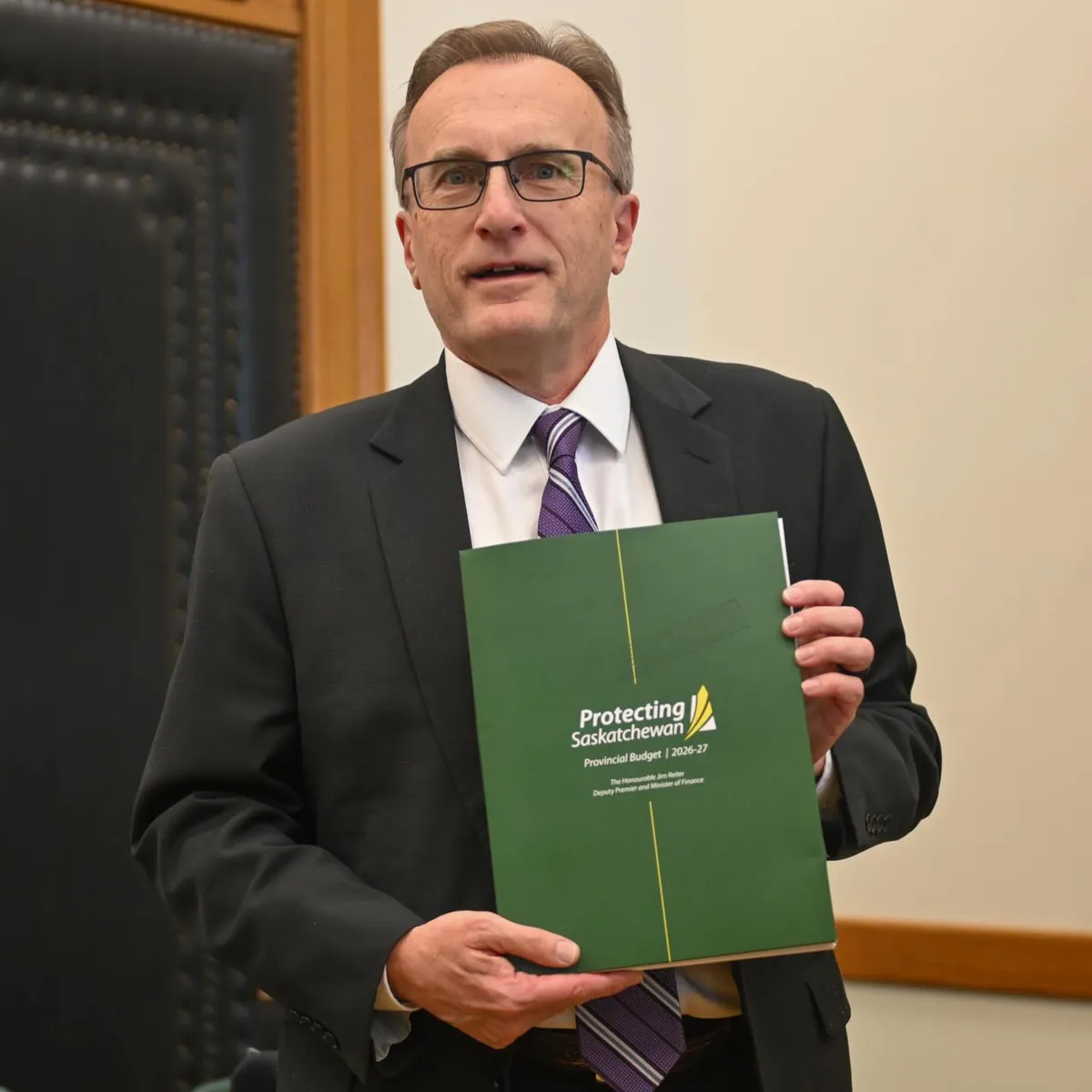
Finance Minister Jim Reiter with a copy of the 2026-27 Provincial Budget: Protecting Saskatchewan.
Finance Minister Jim Reiter with a copy of the 2026-27 Provincial Budget: Protecting Saskatchewan. (Image Credit: (Scott Moe/Facebook))

Education

The government will invest $3.6 billion in pre-Kindergarten to Grade 12 education, early learning, child care, and libraries.

The province’s 27 school divisions will receive $2.5 billion in school operating funding for the 2026-27 school year—an increase of $62.2 million from the previous budget.

The budget includes $123.8 million for school capital. That includes funding for three new schools, including one for Shellbrook to consolidate and replace the existing elementary and high schools. A joint-use public and Catholic middle/ high school in Martensville-Warman and a major renovation of Esterhazy High School are the other capital projects.

The province said work continues on other major capital school projects including a Prince Albert Francophone Pre-K-12 school to replace École Valois.

There is $18.5 million for new minor capital renewal projects to address structural repairs and renovations to prolong the life of schools across the province. Those include:

  • a project at Christopher Lake to demolish and rebuild a portion of the school
  • a project to convert oil heating systems to propane in six northern schools in the Northern Lights School Division
  • a roofing project at Laird School
  • a roof replacement at Spiritwood High School

School food programs will be enhanced by $9 million, 50 specialized support classrooms will be added, the province will sign a new federal agreement to keep $10 per day child care in place, and $119 million will go toward protecting post-secondary affordability, including $68 million for the Graduate Retention Program.

There is $425.5 million in funding for Early Years and Child Care, an increase of $12.3 million, which includes funding for federal-provincial early learning and child care agreements.

The 2026-27 budget invests $56.8 million in Saskatchewan’s post-secondary infrastructure, including $4.2 million to support new programs and expansion of Saskatchewan Polytechnic, the Western College of Veterinary Medicine, Carlton Trail College and ongoing planning for the North West College facility in North Battleford.

Highways

Budget highlights from the Ministry of Highways include $764 million for improving safety and enhancing key transportation corridors. More than 850 kilometres of provincial highways will be improved.

One of the major projects increasing capacity includes the investment of $44 million to begin twinning on Highway 2 north of Prince Albert.

A total of $78.7 million will be invested in repairing or rebuilding 13 bridges and more than 100 culverts, including the replacement of the Highway 955 bridge over Clearwater River, about 60 km north of La Loche. Other repairs and upgrades include 350 km of light pavement treatment like sealcoats on Highway 3 east of Shellbrook and Highway 11 south of Saskatoon.

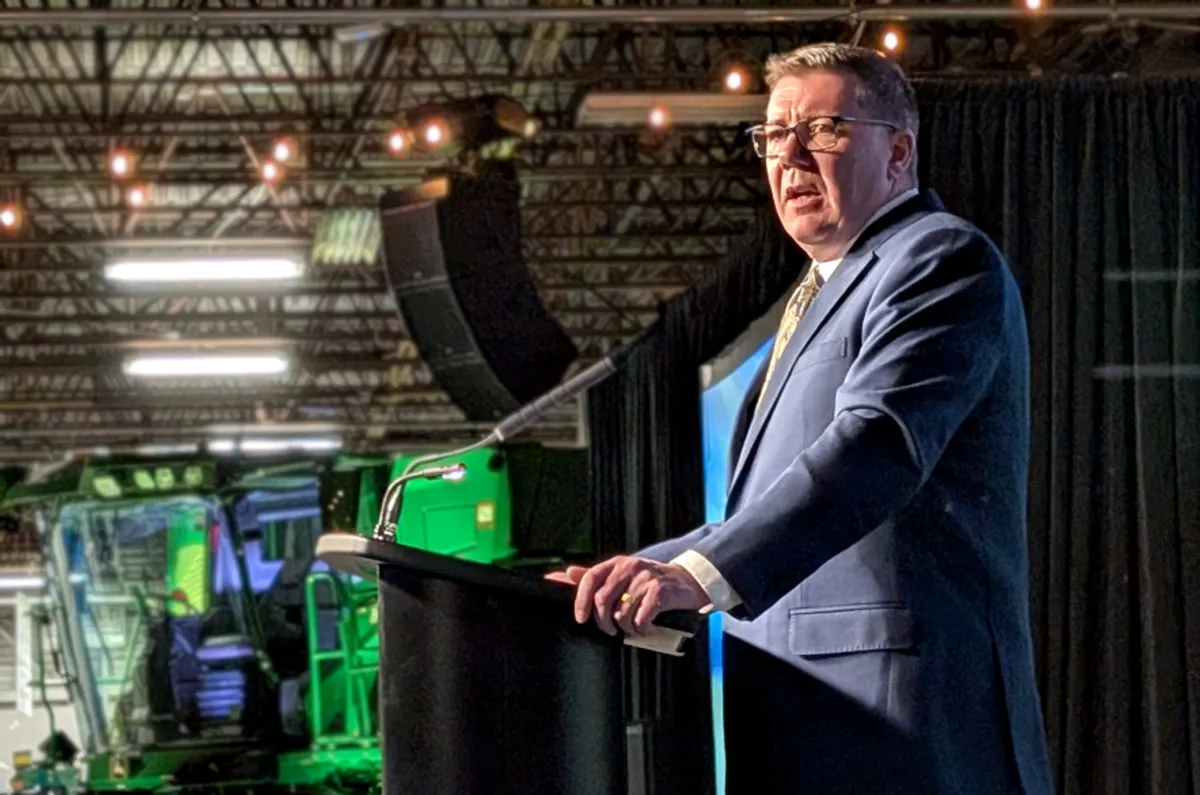
Premier Scott Moe said the budget was designed to protect Saskatchewan services.
Premier Scott Moe said the budget was designed to protect Saskatchewan services. (Image Credit: File photo/CJME)

First Nations, Métis

Saskatchewan First Nations and Métis communities and services will receive $324 million in targeted funding for things like community safety, education and economic reconciliation.

A significant increase is anticipated in gaming payments in 2026-27 at $137.9 million. This is a $30.5 million increase over 2025-26 budget amounts. Gaming payments are made to First Nations and Métis organizations in accordance with the Gaming Framework Agreement and The Lotteries and Gaming Saskatchewan Corporation Act and are based on casino and online gaming profits. First Nation and Métis organizations then reinvest the payments into economic, cultural, educational and social programs.

This year’s budget includes $24.4 million in targeted funding for First Nations and Métis initiatives and post-secondary institutions.

There is also $25.6 million for First Nations policing, including funding to expand the First Nations Community Safety Program.

Energy and Resources

As one of the ‘top jurisdictions in the world for resource development’, the province said this budget makes strategic investments in energy and mining sectors. That includes $2.3 million for the third year of the Saskatchewan Geological Survey’s Public Geoscience Initiative which encourages mineral exploration and promotes new criminal mineral discoveries.

A total of $3.5 million will be provided for the continuation of the Targeted Mineral Exploration Incentive which is a program designed to grow and diversify the province’s mining sector.

Agriculture

Agriculture receives a $662.7 million investment, an increase of six per cent over last year.

A continued $89.4 million investment, through the Sustainable Canadian Agricultural Partnership, supports strategic programs to strengthen the agri-food sector.

A $524.3 million investment, an increase of 8.4 per cent over 2025-26, builds sector resilience through a strong suite of business risk management programs, including Crop Insurance and AgriStability.

The government said research remains a priority, with $37 million budgeted for agriculture research to develop new technologies and conduct state-of-the-art research in Saskatchewan

The budget also fully funds animal welfare enforcement for livestock and companion animals in Saskatchewan through the newly formed Saskatchewan Animal Enforcement Agency.

Other budget highlights include:

-Saskatchewan’s Crown corporations will spend approximately $2.5 billion on capital projects including: $1.7 billion investment in SaskPower’s electricity system;  $433.3 million through SaskTel in the province’s information and communications technology infrastructure; and  $308.8 million in the province’s natural gas transmission and distribution systems through SaskEnergy.

-$700,000 to initiate preliminary design work for the modernization of the Saskatchewan Fish Hatchery which is responsible for all fish stocked in the province’s public waterbodies.

-$125 million for workforce development programs that support unemployed and underemployed people

– $3 million in the Vaccine and Infectious Disease Organization (VIDO) as it becomes Canada’s Centre for Pandemic Research.

-$15 million investment for new and updated infrastructure in Saskatchewan provincial parks in 2026-27. This represents an increase of $2.5M from 2025-26 to support wildfire recovery and infrastructure resiliency in the provincial parks.

Budget Shoes

The geopolitical challenges were the basis for the finance minister’s take on a budget tradition this year.

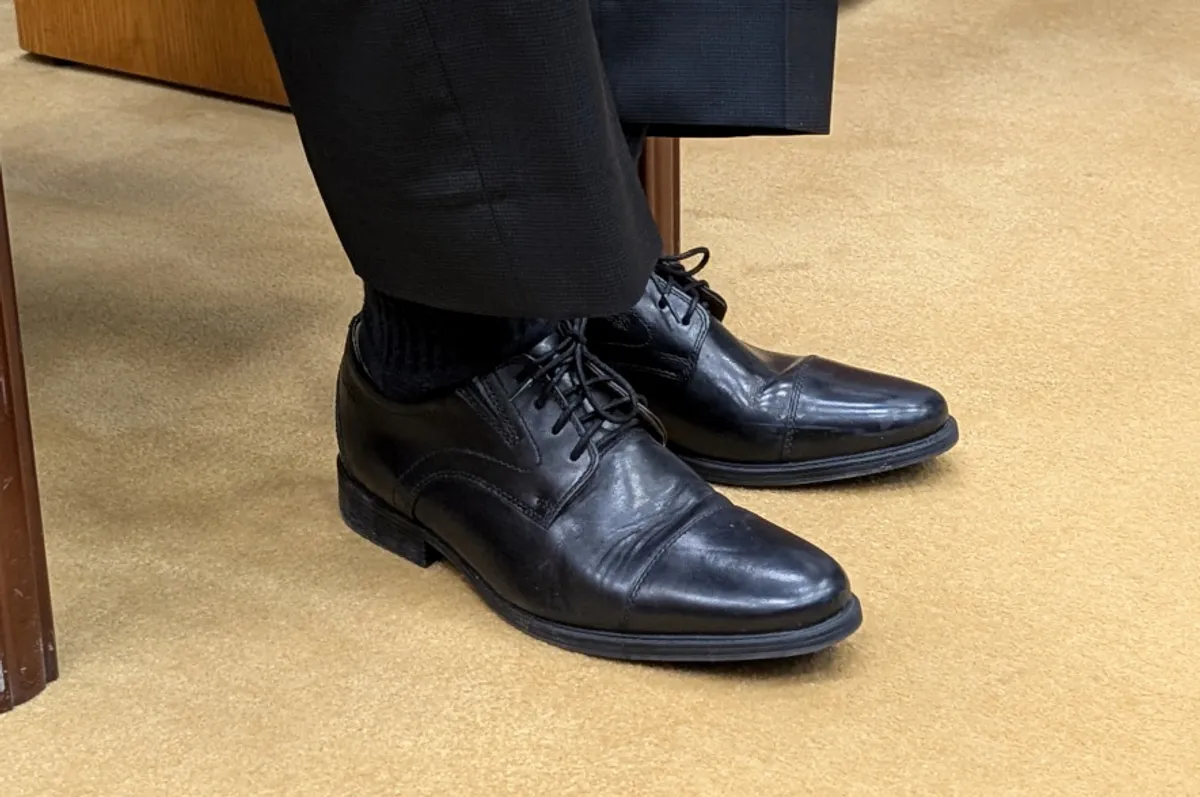
Finance Minister Jim Reiter’s budget shoes for 2026-27 are the same as 2025-26, just with a little protecting spray added. Mar . 17, 2026
Finance Minister Jim Reiter’s budget shoes for 2026-27 are the same as 2025-26, just with a little protecting spray added. Mar . 17, 2026 (Image Credit: Lisa Schick/CJME)

Every year, finance ministers show off the new shoes they’ll wear for the budget speech, often tailored to the theme of the budget. This year, there were no new shoes for Reiter. Instead, he displayed a can of shoe-protecting spray.

“The shoes you see me wearing today are actually last year’s shoes, because they are in good shape. They just needed a little touch up, and they needed some protection,” said Jim Reiter.

The shoes were made in India – a major trading partner for Saskatchewan – and came from a company with a head office in U.K., which also has trading relationships with Canada.

-With files from CJME

panews@pattisonmedia.com