Click here to sign up for our free daily newsletter.

More than 20 states sue over Trump’s worldwide tariffs

Mar 5, 2026 | 1:12 PM

WASHINGTON — U.S. President Donald Trump’s plans to realign global trade are facing another legal battle after more than 20 states filed a lawsuit on Thursday challenging his latest worldwide tariffs.

Trump implemented the 10 per cent global duty last week after the United States Supreme Court’s ruling reined in the president’s erratic and unpredictable tariffs.

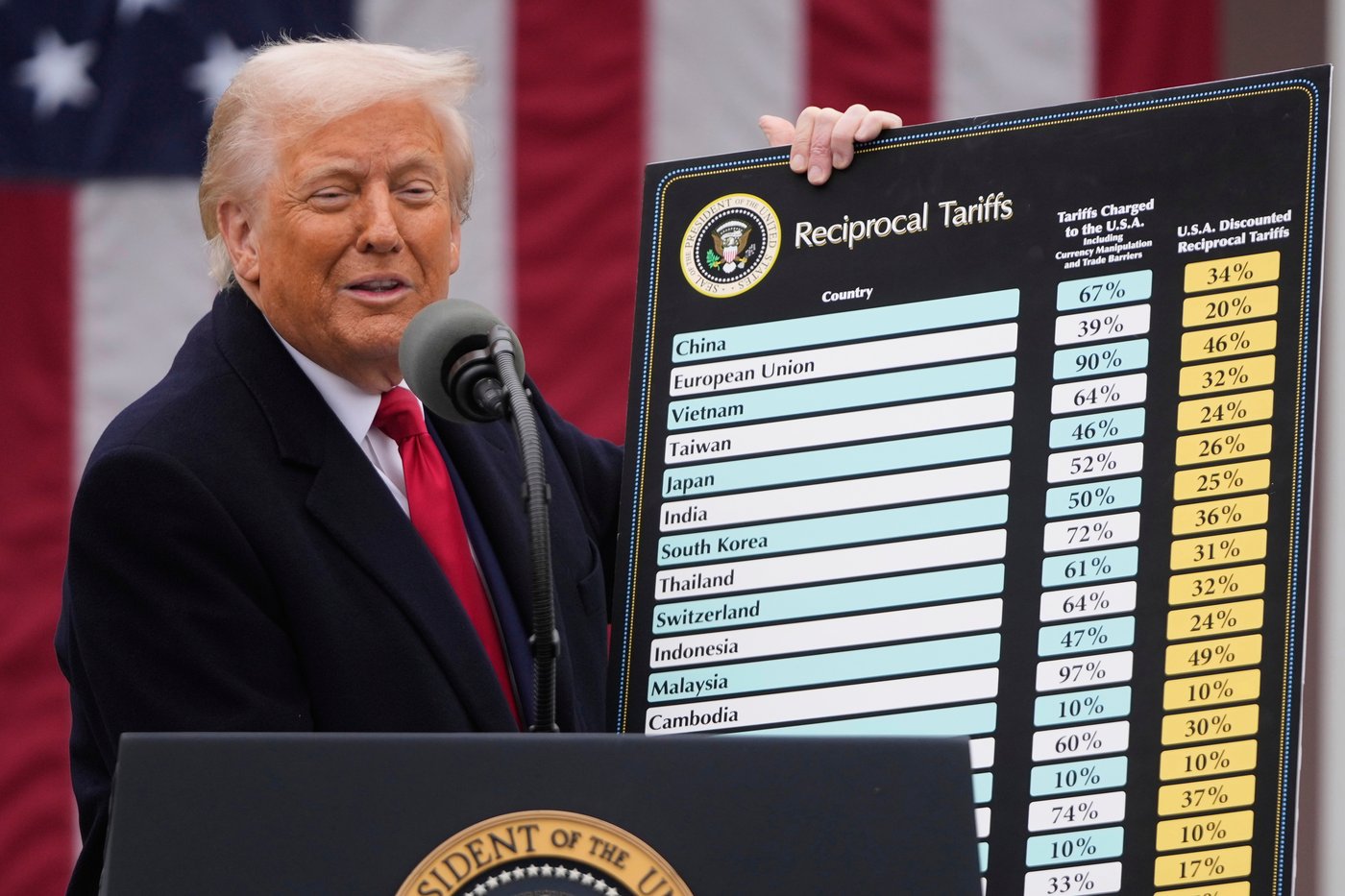
In a 6-3 ruling on Feb. 20, America’s top court concluded it was not legal for Trump to use the International Emergency Economic Powers Act, better known as IEEPA, for his sweeping “Liberation Day” tariffs and fentanyl-related duties on Canada, Mexico and China.

Trump replaced the IEEPA tariffs with a 10 per cent worldwide tariff using Section 122 of the 1974 Trade Act. That duty can only increase to 15 per cent and it will expire after 150 days unless Congress votes to extend it.


Trump has said he will increase the tariffs to the 15 per cent limit but has not signed any executive order that would make the change. Treasury Secretary Scott Bessant told CNBC on Wednesday the increase would happen this week.

Like the IEEPA tariffs, these latest duties do not apply to goods compliant under the Canada-U.S.-Mexico Agreement on trade, known as CUSMA.

In Thursday’s lawsuit filed in the U.S. Court of International Trade, Democratic attorneys general and governors argued Trump is overstepping his power with his latest tariffs.

“The focus right now should be on paying people back, not doubling down on illegal tariffs,” said Oregon Attorney General Dan Rayfield in a news release.

“People are already making hard choices about what to put in their shopping cart. Prices on basics like groceries, clothing and other essentials have all been skyrocketing. At some point, the bills become unmanageable.”

The lawsuit comes the day after a judge at the New York-based trade court ordered refunds for companies that paid Trump’s IEEPA tariffs.

Oregon, Arizona, California and New York are leading the new lawsuit. They’re joined by the attorneys general of Colorado, Connecticut, Delaware, Illinois, Maine, Maryland, Massachusetts, Michigan, Minnesota, Nevada, New Jersey, New Mexico, North Carolina, Rhode Island, Vermont, Virginia, Washington and Wisconsin, and the governors of Kentucky and Pennsylvania.

The states say Trump can’t use Section 122 — which has never previously been invoked — because it was intended to be used only in specific and limited circumstances, including when there are “large and serious balance-of-payments deficits.”

The states say a trade deficit is not a balance-of-payment deficit, which means the latest tariffs are unlawful and violate the separation of powers in government.

The U.S. Constitution reserves power over taxation and tariffs for Congress.

No matter what happens with this latest legal test of Trump’s tariffs, it will not affect the president’s separate duties slamming Canadian industries, including steel, aluminum, automobiles, lumber and cabinets.

This report by The Canadian Press was first published March 5, 2026.

— With files from The Associated Press

Kelly Geraldine Malone, The Canadian Press