Click here to sign up for our free daily newsletter.
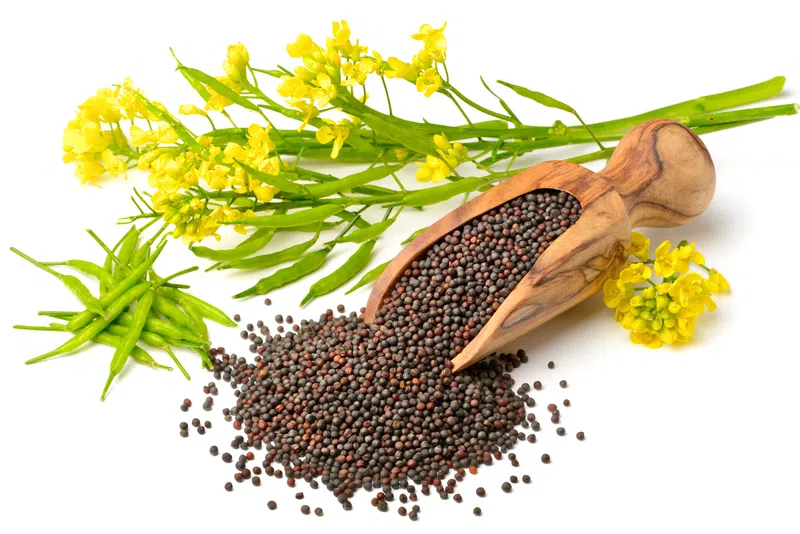
(Image Credit: ID 113584246 © Colourdream Dreamstime.com)

Improved access to China prompts call for market diversification

Mar 2, 2026 | 4:02 PM

The Wheat Growers Association is welcoming China’s final ruling to sharply lower the anti-dumping tariff on Canadian canola seed.

The reduction of 5.9 per cent, plus the standard 9 per cent import duty, alongside the suspension of 100 per cent tariffs on canola meal took effect yesterday. 

Daryl Fransoo, chairman of the Wheat Growers Association, said the decision marks a step forward for prairie canola farmers who have faced prolonged uncertainty in one of Canada’s key export markets. 

“This is a positive development for prairie canola farmers and a welcome sign of improved market access,” Fransoo said. “For many growers, canola is a cornerstone of crop rotation alongside wheat and other grains. Restoring more predictable access to China provides needed relief on prices and cash flow at a critical time.” 

While the announcement is encouraging, the Wheat Growers caution that past disruptions underscore the importance of long-term market stability. 

“China has restricted or closed its canola market several times in the past, often tied to broader political tensions rather than technical trade issues,” Fransoo added. “These repeated interruptions are a clear reminder of why our relationship with the United States remains essential.” 

The United States is Canada’s largest and most stable market for canola, offering tariff-free access under the United States-Mexico-Canada Agreement. With the 2026 review of the agreement approaching, the Wheat Growers emphasized the importance of protecting and strengthening that partnership. 

“Our number one market is the U.S., and it provides our most reliable outlet. As we approach the USMCA review, safeguarding agriculture within that agreement must be a national priority,” he said.

Beyond trade relationships, the Wheat Growers are urged Canada to accelerate development of its domestic biofuels sector as a means of building resilience against global volatility. 

Fransoo said canola oil is an exceptional feedstock for renewable diesel and biodiesel and by expanding domestic processing capacity and strengthening biofuel mandates, Canada can create new demand at home, diversify our markets, and reduce our exposure to sudden export disruptions.

The Wheat Growers stress that long-term security for farmers will come from diversification, strong continental partnerships, and strategic investment in value-added opportunities within Canada. 

“This weekend decision is worth welcoming,” Fransoo concluded. “But real stability comes from strengthening our U.S. relationship, diversifying our markets, and investing in homegrown opportunities like biofuels. Canadian farmers stand ready to collaborate with government and industry to secure that future.” 

alice.mcfarlane@pattisonmedia.com