Click here to sign up for our free daily newsletter.
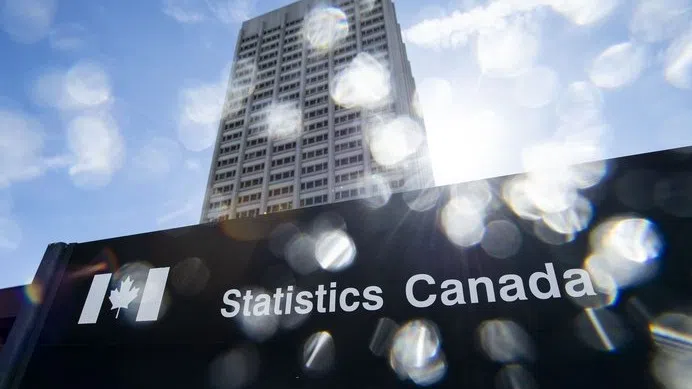
(Image Credit: File photo/The Canadian Press)
2026 Census

City counts on census for federal, provincial funding  

Feb 19, 2026 | 1:40 PM

As the 2026 census fast approaches, municipal leaders are focusing on getting the word out on why it’s important to be counted.  

Census information is crucial for municipalities as the population numbers are used to calculate the amount of funding received from provincial and federal governments.

“If we want to see an increase in services or if we want to see a reduction or kind of, you know, staying steady with tax increases and so on and so forth, this revenue is mission critical,” said Mayor Bill Powalinsky.  

The last census was done in 2021 and showed Prince Albert with a population of 37,500 but by using health statistics, the actual number is about 44,000, a 17 per cent difference.  

Powalinsky said that college and university students in Prince Albert when the census is done and even the homeless population that don’t have permanent addresses should be counted in the local census.  

“I can’t stress how important it is and reaching out to community organizations to get people who are participating or, you know, using their services to participate.” 

While he didn’t have firm numbers, Powalinsky estimated the negative impact on the city finances in the millions of dollars given the five year gap from one census to the next.  

The city is doing a public information campaign and working with groups to ensure that people are counted and is focusing on people who are frequently missed in the count.  

“Maybe we set up a census location at City Hall, maybe we do it at community centres. Those are some of the logistics that we’re working out.”  

The 2026 census started early in some remote/northern communities. In Saskatchewan, they are Black Lake Denesuline First Nation, Fond du Lac Denesuline First Nation, Hatchet Lake Denesuline First Nation and Stony Rapids. 

For everyone else, counting starts in May. 

This is Canada’s 24th Census and will be used to give the government more than just numbers of people; it also provides information on socioeconomic trends that are used when planning schools, public transportation, health care and employment programs.  

Rural residents will also take part in the Census of Agriculture.  

Statistics Canada is hiring about 32,000 people to help conduct the census. To be eligible, applicants must have reached the age of majority in their province, which is 18 in Saskatchewan.  

Citizens, permanent residents or people with a valid work permit can apply and they must live in Canada and have a Canadian home address.  

susan.mcneil@pattisonmedia.com