Click here to sign up for our free daily newsletter.

Rural group wants support for Saskatchewan’s part in Canada’s clean growth future

Feb 12, 2026 | 4:23 PM

The Saskatchewan Association of Rural Municipalities (SARM) is urging the federal government to recognize Saskatchewan’s role in powering Canada’s clean growth economy.  

With 27 of Canada’s 34 critical minerals and the world’s largest deposits of potash and high-grade uranium, Saskatchewan is positioned to drive sustainable economic development especially in rural regions.  

SARM President Bill Huber said rural industries are the backbone of provincial and national economies.  

“Producers, miners, and processors supply the food, fuel, and critical minerals that Canada and the world depend on,” Huber said. “We need policies and investments that reflect the realities of rural operations, supporting innovation, affordability, and long-term growth in every corner of Saskatchewan.”  

Under the current Clean Electricity Regulations (CER), electricity costs are projected to double by 2035, posing significant challenges to energy-intensive industries in rural Saskatchewan. The province’s $5.5 billion fertilizer sector, along with its mining and processing industries, relies on affordable and reliable energy to remain competitive.  

The province’s critical minerals—particularly potash, uranium, and helium—are essential to Saskatchewan’s agriculture and energy sectors.

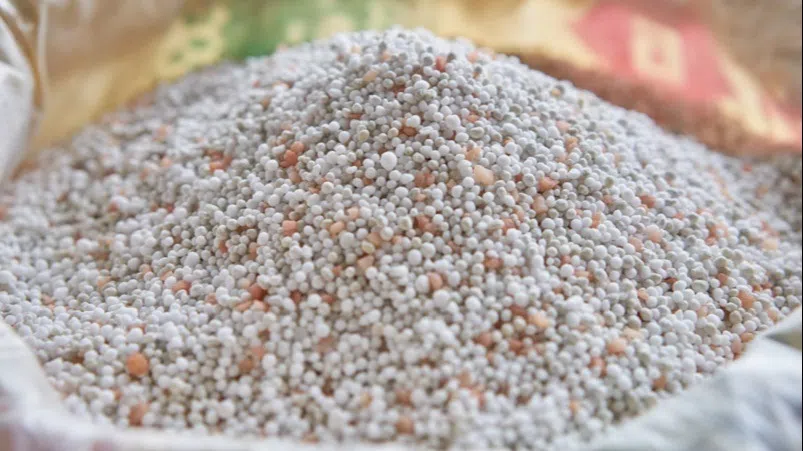
Potash provides a key nutrient for plant growth, enabling farmers to increase yields and strengthen global food security; uranium, while primarily used for nuclear power generation, supplies clean, stable energy that supports agricultural processes, such as irrigation, transport, and farm operations; and helium, production of which grew by 50 per cent in 2023, plays a growing role in precision agriculture and advanced research technologies.  

SARM is calling for a regionally balanced, innovation-driven approach that keeps Saskatchewan’s industrial and agricultural sectors viable as Canada transitions to cleaner energy sources.  

The topic will be on the agenda at the SARM Annual Convention from Mar. 10 to 12. 

alice.mcfarlane@pattisonmedia.com