Click here to sign up for our free daily newsletter.

Simple Strategies You Can Use To Look and Feel Better Right Now

Jan 23, 2026 | 10:01 AM

Everyday well-being is built from small, repeatable habits that support the whole body—from your feet on the floor in the morning to the way your mind unwinds at night. Health doesn’t have to be extreme or complicated. The most sustainable improvements often come from simple, practical choices that fit seamlessly into daily life and support physical, mental, and emotional balance over time.

A Quick Overview for Busy Readers

Feeling better day to day usually comes down to a few core ideas: move your body in gentle ways, fuel it consistently, protect your mental energy, and build routines you can actually keep. When these basics are in place, everything else becomes easier to manage.

Start at the Ground: Feet, Posture, and Daily Movement

Your feet and posture quietly influence the rest of your body. Tight calves, weak arches, or long hours of sitting can ripple upward into knee, hip, and back discomfort.

Try this: walk barefoot at home for short periods, stretch your calves after waking, and stand up at least once every 30–60 minutes. These small actions improve circulation and body awareness without needing a workout plan.

Everyday movement ideas:

* Take phone calls while walking

* Use stairs when possible * Do a 2–3 minute stretch break mid-afternoon

None of these feel dramatic, but together they keep joints mobile and energy levels steadier.

Nourishment Without Obsession

Healthy eating doesn’t require perfection. It works best when it’s flexible and consistent.

Focus on building meals around: * A source of protein

* Colorful fruits or vegetables

* Whole or minimally processed carbohydrates Hydration matters just as much. Mild dehydration often shows up as fatigue or headaches before thirst ever kicks in.

A Simple Daily Body Care Checklist

Use this as a loose guide, not a rigid rulebook:

1. Drink a glass of water within an hour of waking

2. Move your body intentionally for at least 10 minutes

3. Eat one meal without distractions

4. Take 3–5 deep breaths before bed

These steps support digestion, circulation, and nervous system regulation with minimal effort.

Mental Fitness Through Lifelong Learning

Mental well-being thrives on curiosity and growth. Learning new skills keeps the mind active, builds confidence, and provides a sense of forward momentum at any age. Whether it’s reading, taking a class, or developing a new professional skill, ongoing education supports emotional resilience and self-esteem.

Finding a program that fits your career goals can also reduce stress around the future; for example, some people choose to pursue a business bachelor degree to strengthen skills in accounting, communication, management, and leadership. Earning an online degree offers flexibility and accessibility, making it possible to grow professionally while balancing work, family, and personal health.

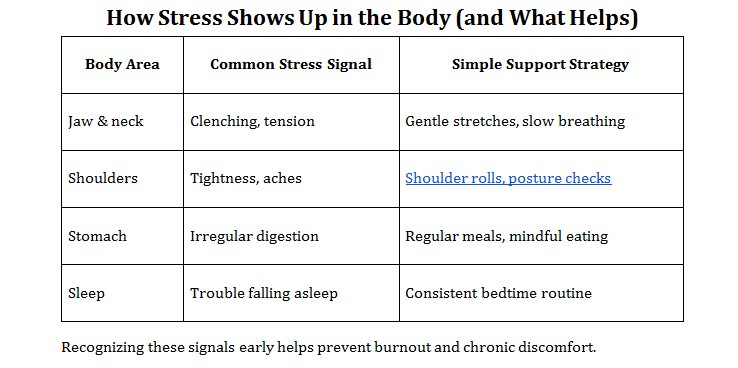
ARTICLE CONTINUES BELOW GRAPHIC

Recognizing these signals early helps prevent burnout and chronic discomfort.

One Helpful External Resource

For evidence-based guidance on everyday health habits, the Centers for Disease Control and Prevention (CDC) offers clear, practical recommendations on nutrition, physical activity, sleep, and stress management. Their wellness resources are easy to understand and grounded in current research.

FAQ: Simple Health Habits

How long does it take to notice benefits from small changes? Many people feel subtle improvements—like better energy or focus—within a week or two.

Do I need to change everything at once? No. One or two consistent habits are more effective than many short-lived ones.

Is rest as important as movement? Absolutely. Recovery supports immune health, mood, and long-term consistency.

A Brief Closing Thought

Well-being isn’t built in big, dramatic moments—it’s shaped by everyday choices repeated over time. By caring for your body from head to toe and supporting your mind through learning and rest, you create a foundation that’s both resilient and realistic. Start small, stay curious, and let progress compound naturally.