Click here to sign up for our free daily newsletter.
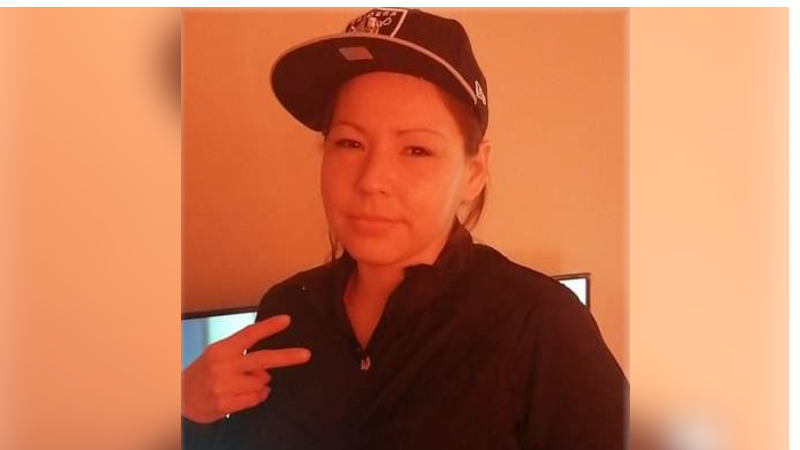
Lynette Kakakaway died after being remanded at Pine Grove prison in 2022. (Andrychuk Funeral Home.com)
Searching for answers

Inquest hears correctional officers could benefit from opioid withdrawal training

Jan 20, 2026 | 5:22 PM

The last person to see Lynette Kakakaway alive and possibly speak to her, says better communication between correctional officers and nurses and opioid withdrawal training could help prevent similar deaths from happening in the future at the Pine Grove Correctional Centre.

Kelsey Halkett, a correctional officer at the women’s jail with 12 years experience, testified on Tuesday at the Coroner’s Inquest.

On the morning of June 24, 2022, 33-year-old Lynette Kakakaway was found unresponsive in her cell. Staff performed life saving efforts and called EMS, but they were not successful and just under hour later at 8:50 a.m., Kakakaway was pronounced deceased.

The exact cause of death was undetermined but a forensic pathologist concluded Kakakaway’s death was likely the result of a combination of factors: a rupture in her esophagus from repeated vomiting, opioid withdrawal and the drugs that were in her system.

Halkett, who worked the night shift on June 23, recalled an early conversation she had with Kakakaway where Kakakaway complained she was having a stroke.

“She didn’t show signs or symptoms,” she said, further recalling nearby inmates yelling Kakakaway needed help.

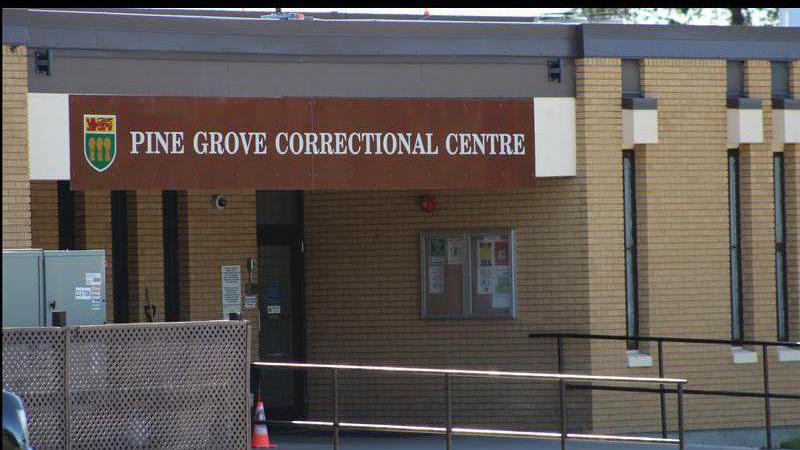
The purpose of this week’s inquest is to help prevent similat deaths from happening in the future. (File photo/ paNOW Staff)

Concerned for Kakakaway’s well-being and pale complexion, Halkett called for a nurse who in turn assessed Kakakaway twice during the overnight hours and provided her with medication. Upon the nurse’s second visit, Kakakaway was sleeping and showed no signs of discomfort.

When asked to describe her own interactions with Kakakaway, Halkett said she did not hear any vomiting and upon checking on Kakakaway, was reassured she was feeling better.

“She looked the same to me,” she said.

Since the death, Halkett confirmed there’s been several changes made at the jail including more thorough record keeping and more checks on new inmates coming in.

And while Halkett also noted in her testimony issues with short staffing at the time of Kakakaway’s death, she said the situation has improved. However she suggested one staffing adjustment that could be made was having a nurse working 24/7.

One of the questions posed to Halkett by the family’s lawyer was how are checks done, Halkett replied they use a flashlight and wait for movement.

In Kakakaway’s case she was observed using the toilet; laying on the bed and floor; and kicked her cell door twice; but not once asked for help or pressed the emergency button located inside the cell.

After Kakakaway’s passing, Halkett confirmed she was informed by phone and told to come in to work and write a report.

“I was upset because I knew something was wrong,” she replied after being asked after hearing the tragic news.

Upon further questioning by the lawyer representing the Ministry of Corrections, Halkett said she did not provide Kakakaway with any garbage bags or notice any sudden decrease in health that might necessitate notifying a supervisor to have the cell door unlocked.

As per testimony heard on Monday, Kakakaway’s opioid withdrawal symptoms decreased from the time she first arrived on the 22nd to the time she passed away on 24th. She had also appeared for court on the morning of the 23rd.

Inquests are completed when a person dies in police or government custody and are held to determine the cause and manner of death, along with recommendations on whether changes could prevent future deaths.

They do not determine criminal fault, and on Tuesday afternoon, the six person jury at the Kakakaway inquest began deliberations.

Their recommendations will first be forwarded to the Coroner’s Office before being forward to Pine Grove.

Earlier this week paNOW reached out to the Ministry of Justice for comment on whether the recommendations made are mandatory and whether they could provide any examples.

The following statement was received:

  • At a coroner’s inquest the jury may make recommendations that are provided to appropriate agencies to prevent similar deaths in the future.
  • All inquest recommendations are shared with the agencies they are directed to for a response.
  • Once received, responses to inquest recommendations are posted on Publications Saskatchewan at this URL: https://publications.saskatchewan.ca/#/categories/2191
  • Additionally, all jury findings and inquest recommendations from coroners inquests can be found here: https://publications.saskatchewan.ca/#/categories/2190

nigel.maxwell@pattisonmedia.com

On X: @nigelmaxwell