Click here to sign up for our free daily newsletter.
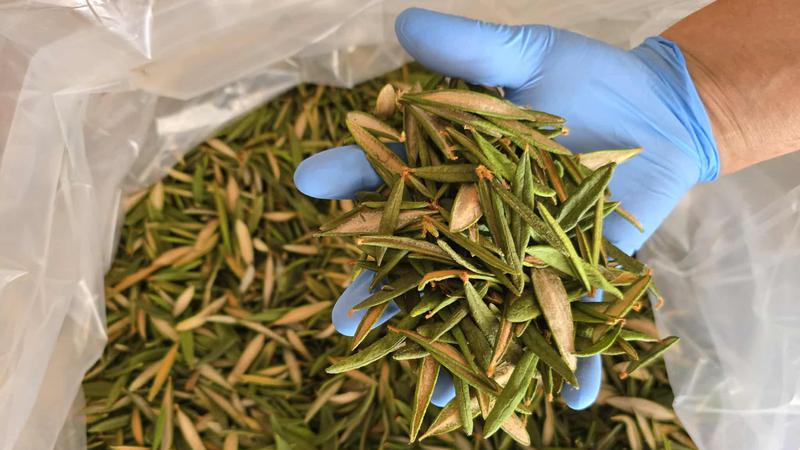
The sale of dried Labrador leaves are a major export at Boreal Heartland Forest Products. (Boreal Heartland Forest Products)
Muskeg Feature

Labrador tea, cranberries among top plants harvested from muskegs

Sep 18, 2025 | 6:00 AM

Peatlands, also commonly known as muskegs, are an important part of the eco-system in Northern Saskatchewan and many other parts of the world. They not only provide a crucial role in maintaining the carbon capture cycle where they exist, but they are also essential to the plants and animals native to these regions, as well as the people who rely on them to continue their traditional way of life.

The following is part of a four-part series of articles that focus on peatland and the impact they have on us all.

Muskegs play a pivotal role when it comes to the operations and the sustainability of Boreal Heartland Forest Products based in Northern Saskatchewan.

Operating on Treaty 6 and Treaty 8 territories, Boreal Heartland was launched in 2017 as an initiative of Keewatin Community Development Association (KCDA), a longstanding, northern, non-profit organization dedicated to supporting career, education, business, and economic development throughout the North.

Boreal Heartland was started with the goal of provide sustainable income opportunities within the region, showcase the abundance and intrinsic value of boreal forest flora on a global scale, and ensure all aspects of the business promote environmental and social sustainability.

In specific, there are two plants that grow in the northern muskeg in which Boreal Heartland is reliant on to generate a profit.

“The big one is Labrador tea, or muskeg tea a lot of people know it as, and it grows very profusely in the muskegs in the low areas,” explained KCDA CEO Randy Johns.

“We have markets for that. We sell our own Labrador tea. We sell it right across Canada. We also have bulk markets. We sell in bulk to Quebec and Ontario to different buyers there. It’s the plant we use the most from the muskeg, so it is a very significant portion of our business.”

Labrador tea has been a primary beverage for Indigenous Peoples dating to pre-contact. It has a rather sweet flavour and Johns said it is known for its high quantity of Vitamin C and its ability to boost the immune system when fighting off viral infections like the common cold. Boreal Heartland promotes Labrador tea as also having anti-inflammatory properties, being a good source of antioxidants, and its ability to improve insulin sensitivity and reduce blood sugar levels for those with diabetes.

In addition, dried, crushed Labrador tea leaves can be used to keep moths away and it can be used to make beer more intoxicating.

“We are right around 1,000-plus pounds that we go through in a year,” Johns remarked.

“That dry though. The drying ratio is three-to-one, so to get 1,000 pounds, you need a little over 3,000 pounds that gets harvested. It is not a quick harvest because you are plucking the leaves by hand off the plant. We have some people who really specialize in that and really enjoy doing it, especially in the hot weather, [because] you can go in cooler areas and harvest.”

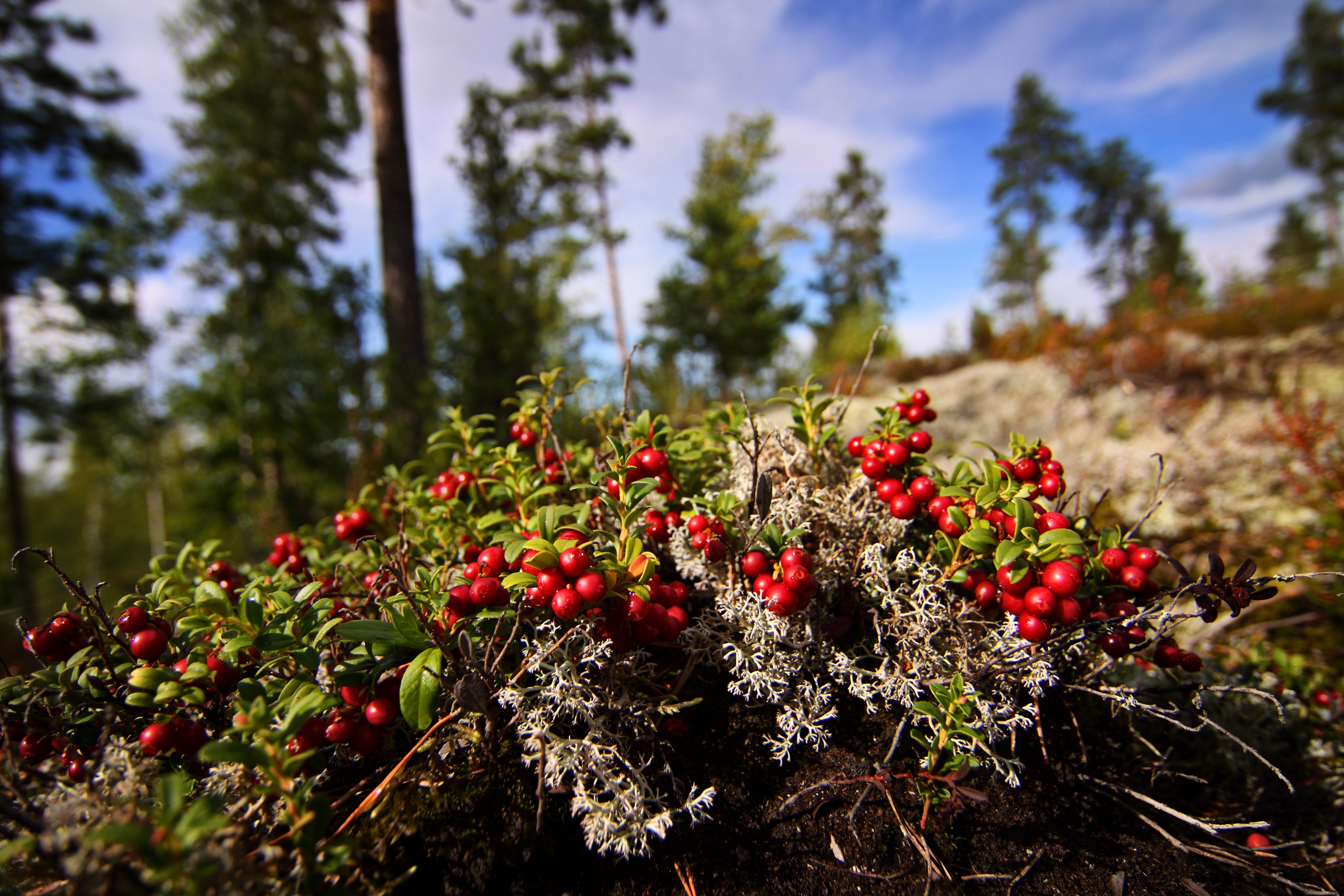
Another plant harvested by Boreal Heartland in peatlands are lingonberries, commonly known as low-bush cranberries. The business purchases at least a few hundred pounds of the berries on a yearly basis and uses them to add into teas or sell as a frozen product to chefs or liquor distilleries in Saskatchewan.

Northern Saskatchewan low-bush cranberries are sold to chefs and liquor distilleries. (ID 25677876 © Tomi Tenetz | Dreamstime.com)

Much of those employed by Boreal Heartland to harvest plants in peatlands are local Indigenous people who are on their traditional lands harvesting plants that are also used traditionally.

John expressed the importance of muskegs when it comes to water resources and maintaining a balanced ecosystem. He noted they contain and filter considerable amounts of water.

“We have to be careful with our water resources. We really saw it this year when the water got really low. Water could be a concern,” Johns added.

“We really haven’t had to think about it that much. We have to be careful with our water and muskegs are a big part of our water system that we have in Northern Saskatchewan. I don’t think we want to change things too much because we might start changing and we might not find our way back from that.”

derek.cornet@pattisonmedia.com