Click here to sign up for our free daily newsletter.
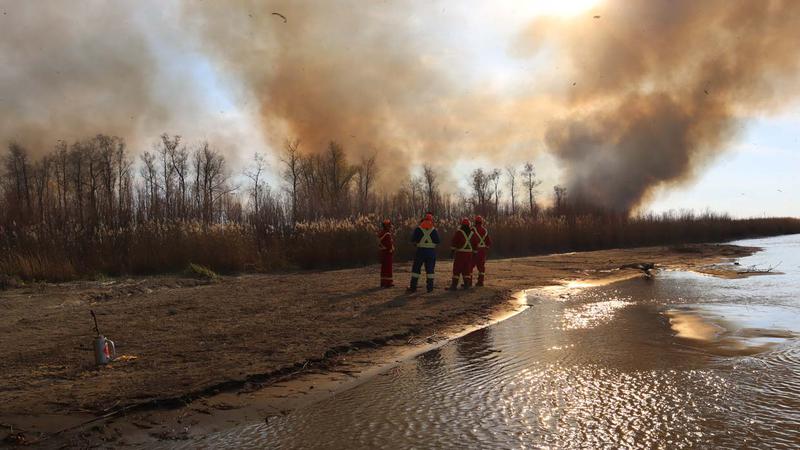
A group of traditional ecological knowledge (TEK) fire practitioners monitoring a burn in the Saskatchewan River Delta. (Photo: wearefire.ca)
Wildfire funding

PAGC says federal wildfire funding fails to meet urgent needs of First Nations

Aug 20, 2025 | 4:52 PM

The Prince Albert Grand Council (PAGC) is calling on Ottawa to overhaul how wildfire funds are allocated, saying last week’s announcement of $45.7 million to build and mobilize knowledge on wildfires is not new money and fails to reflect the risks faced by Indigenous communities in the North.

On Aug. 12, during a press conference in Calgary, the federal government highlighted funding for 30 projects under the Build and Mobilize Foundational Wildland Fire Knowledge program, including $3.9 million for Indigenous-led initiatives. The purpose was to help First Nations communities access the tools needed to lead on wildfire readiness and back Indigenous-led projects that support wildfire stewardship.

But Chief of the PAGC Brian Hardlotte, said all the funds were committed last year, with his member nations receiving only a ‘modest share’ of just under $500,000 for its ka māmāwī–yak (Coming Together) project. The purpose of the project is to mobilize and demonstrate Indigenous fire stewardship knowledge in the Saskatchewan River Delta through cultural assessment, knowledge exchange and Indigenous-led fire practices.

Hardlotte said the small portion of funding doesn’t reflect the fact that PAGC communities are among the highest wildfire risk areas in the country.


“Wildfires are not abstract research topics for our Nations – they are an annual threat to our safety, homes and way of life,” said Grand Chief Hardlotte. “This announcement simply repackages old money, and it forces our communities to compete for funds when we should be receiving direct allocations based on risk. We need money for equipment and money to support the training so that our First Nations firefighters can be the ones actioning fires in our territories. Protecting our people and our lands is not just policy — it is a matter of Treaty rights and government obligations.”

According to a press release issued by PAGC, Ottawa has distributed more than $791 million for wildfire activities, not including emergency response. But research shows only six per cent of that has gone directly to Indigenous nations or organizations — with most of it spent on post-fire reforestation, not prevention. Meanwhile, 42 per cent of wildfire evacuations in Canada take place in Indigenous communities. This year alone, the Canadian Red Cross registered about 15,000 evacuees from Saskatchewan, nearly 75 per cent from PAGC communities such as the Lac La Ronge Indian Band and Peter Ballantyne Cree Nation.

Hardlotte pointed to work being done by the PAGC Wildfire Task Force which has helped increase the hiring of First Nations firefighters. He said a Wildfire Resilience Initiative to train youth in Indigenous-led fire practices and the Indigenous Fire Guardians programs are underfunded compared to their potential.

“We’ve seen too many studies sit on shelves while our communities are forced to evacuate year after year,” Hardlotte said. “Our Task Force and Fire Guardians are demonstrating what works. What we need now is direct investment: equipment, training, and resources that respect our leadership, uphold Treaty rights, and reflect our vulnerability to wildfire.”

PAGC is calling on the federal government to move away from project-based, competitive funding. Instead, they say risk-based, community-led allocations would allow First Nations to decide what is needed, when it is needed, and how it should be implemented.

While the Saskatchewan Public Safety Agency doesn’t have any influence on federal funding, vice president of operations Steve Roberts said one area they’re focused on is a fire college in Saskatchewan that provides both structural and basic wildland fire training. He said it ensures more people are qualified to fight fires regardless of where they come from in Saskatchewan.

panews@pattisonmedia.com