Click here to sign up for our free daily newsletter.
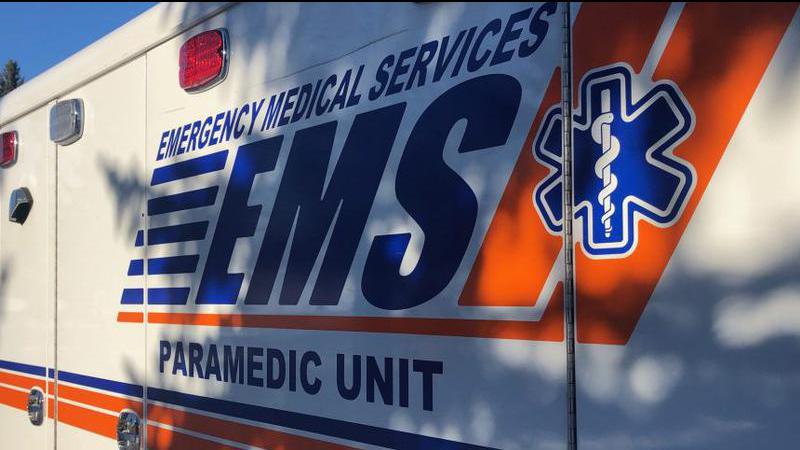
For paramedics and other first responders, there has been a growing awareness of mental health over the years. (File Photo/CJME Staff)
First Responders Mental Health

Mental health week hits home for first responders

May 5, 2022 | 12:00 PM

With this week being mental health week, the goal is to continue the conversation around mental health issues. Few professions understand that conversation, and the shift in it, better than first responders.

In a line of work where they regularly deal with car crashes, assaults, and other traumatic events, paramedics see some terrible things. This week has particular importance for Parkland Ambulance, though the conversation surrounding it isn’t limited to May 2–8.

“We want to make sure that our family and our friends and our colleagues are okay,” said Lyle Karasiuk, director of public affairs for Parkland Ambulance. “Okay is not just ‘Hi, how are you?’ and the common answer is going to be ‘okay.’”

Karasiuk has been working alongside paramedics and other first responders for 35 years and he’s seen a drastic shift in the way they approach mental health issues. When he started, there was little talk about it, and fewer resources to deal with it.

“It’s not that we didn’t care, it’s that we didn’t know what to do with it,” said Karasiuk. “Back then, we didn’t have the resources, we didn’t have the understanding, we didn’t have the ability. Now our staff, right from day one as a brand new employee in our organization, are getting an orientation from mental health professionals.”

Recognizing mental health concerns, both in themselves and in others, is part of that training. Between records of calls and word of mouth, people at the station will know when someone has been on a call where they’ve seen something especially traumatic.

“It’s often pretty hard to hide,” Karasiuk said. “We know that you went to maybe a bad car collision, maybe there was a fatality. Maybe it was a long extrication, maybe the injuries we’re really bad. I can approach a colleague and say ‘Hey, how are you doing?’ and they say ‘Fine.’ Then I can automatically say “I know you were at that really bad call yesterday. How are you doing?’”

Karasiuk added it can sometimes be hard to predict what sorts of calls will trigger mental health issues as a paramedic or other first responder might be able to walk away from seeing something terrible on one occasion but really struggle with it on another.

He also said it’s important to be able to reach out to someone for support, and that someone doesn’t necessarily need to be a professional counselor but could be a friend or family member.

—-

rob.mahon@pattisonmedia.com

On Twitter: @RobMahonPxP