Click here to sign up for our free daily newsletter.
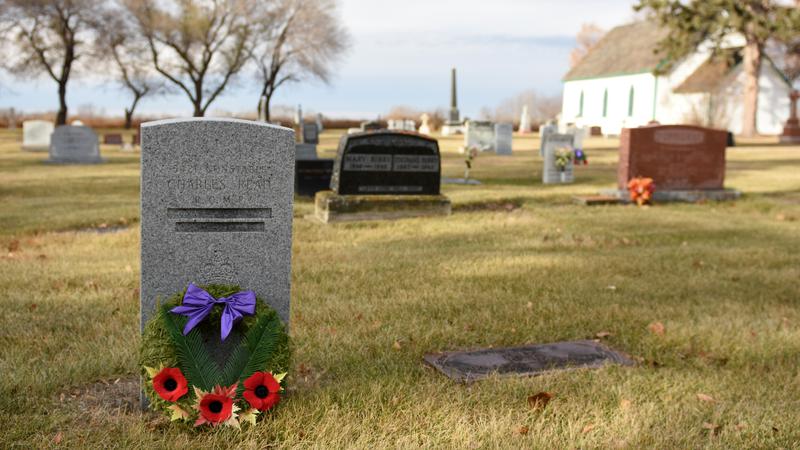
Around 40 veterans are buried in St. Mary's cemetery beside the Saskatchewan Penitentiary. (Alison Sandstrom/paNOW Staff)
Remembrance Day

Three decade-old tradition honouring P.A. veterans continues

Nov 8, 2020 | 9:03 AM

In the absence of public in-person ceremonies this year, private traditions to honour veterans for Remembrance Day will endure. For some, it’s the wearing of a poppy or a quiet moment of reflection. Others will watch a virtual service. For two Prince Albert area women, their personal act of remembrance involves a carload full of wreaths and a list of over 200 names.

Over the course of a day at the beginning of November, Brenda Cripps and Cindy MacDonald visit half a dozen cemeteries in and around Prince Albert to lay flowers and wreaths at the graves of every veteran buried in the area.

It’s a tradition Cripps began around 30 years, shortly after her father, a Second World War veteran, passed away.

“Where dad was, his brother was there and I thought, you can’t just recognize one veteran,” she told paNOW. “I just kind of started from there.”

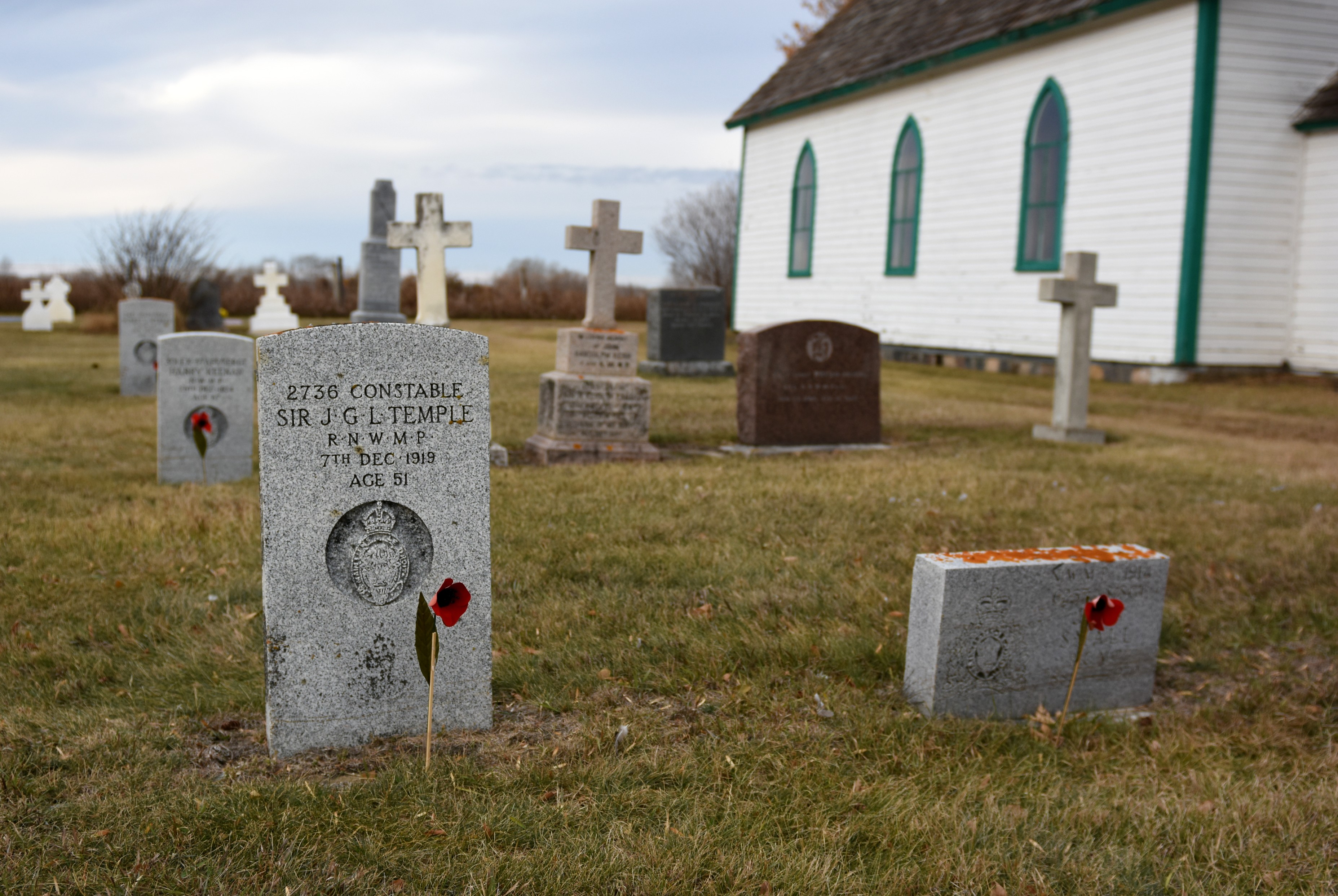
Over the years Cripps began visiting more and more graves. She surveyed cemeteries in the area including at Steep Creek, Muskoday First Nation, and Colleston, and wrote down the names of the veterans buried in each. Today her list compromises over 200 names. Each year a few more get added as new graves are found or other people pass away.

“You hate to see these guys that nobody comes or they’re forgotten or whatever,” she said. “So we do what we can do.”

(Alison Sandstrom/paNOW Staff)

The hundreds of wreaths mostly come from Remembrance Day events at local armories. Cripps, who is a zone commander and service officer with the Royal Canadian Legion, explained traditionally “used” wreaths were not allowed to be resold and were usually just thrown away after the ceremony. Instead, Cripps began collecting and storing them to bring to cemeteries the next year. Often wreaths were reused for several years, as long as they stayed in good condition.

Modern biodegradable wreaths, however, don’t keep well and Cripps and MacDonald are shifting their approach to use plastic long stem poppies instead.

Cripps’ father instilled a deep sense of service in her and her sister but rarely talked about his experience in the war. She didn’t find out he had been critically injured during the conflict until they were being interviewed on a CKBI Radio program together and host Jack Cennon asked him where he spent Victory in Europe Day.

“He never ever told us,” she said. “But when Jack asked him, he kind of hesitated for a bit and then he told him he was in the hospital in England.”

In his later years, he increasingly woke up screaming in his sleep.

MacDonald also comes from a family of veterans. She said perhaps the reason some graves go unvisited is that many never spoke to their families about what happened to them during the war.

“They didn’t want to talk about it,” she said. “It was just so horrific.”

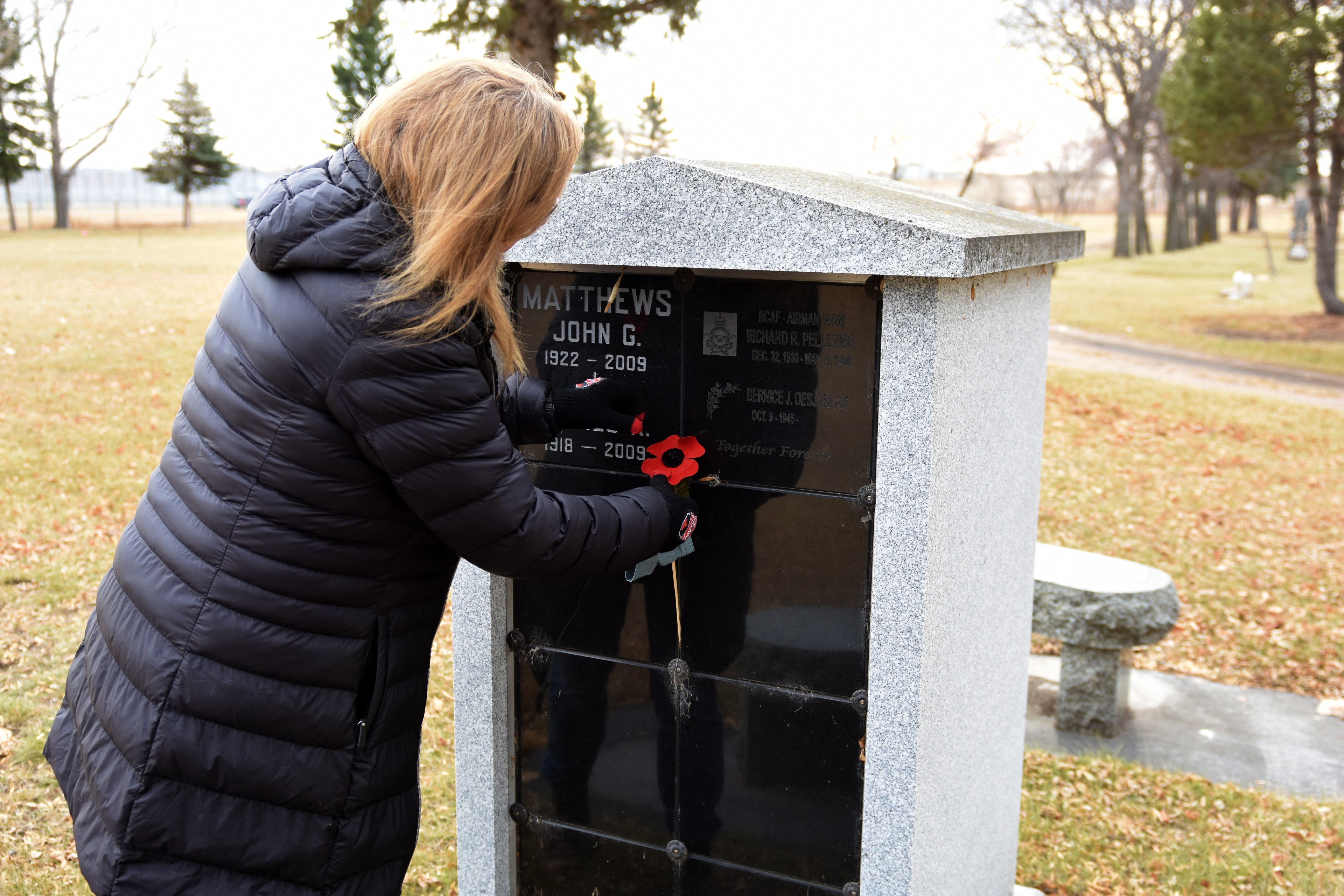
Cindy MacDonald adjusts a poppy on a veteran’s grave. (Alison Sandstrom/paNOW Staff)

Cripps said that’s part of the reason Remembrance Day gatherings are so important and why they will be so missed this year.

“They could get together down there and even if they didn’t talk about it they were together,” she said.

At each of the graves, the women stop and reflect, maybe share a joke or a memory if they know the person, and tap the headstone and say thank you.

They leave a wreath at the gate of each cemetery “in case [they’ve] missed anyone” and return each June to lay flags for Decoration Day.

“[We’re] just showing that a lot of us are never going to forget,” said Cripps. “And that’s what it’s all about and why we’re doing it.”

alison.sandstrom@jpbg.ca

On Twitter: @alisandstrom